

 English
 العربية
 简体中文
简体中文
 Français
 Português
 Español

Guilt and Regret
Raising children involves all kinds of decision-making. Some decisions are relatively easy to make, particularly when the consequences seem obvious and minor. Other decisions are more complex. Some decisions must be made quickly; in other circumstances we are allowed some time. When the stakes seem especially high, as they often do in children with SNI, it is not unusual to be fearful of the possible consequences of your choices and of how you will feel having made those choices. Feelings of guilt and regret about choices sometimes go hand in hand.

Your Team:
A member of the clergy who is responsible for the religious needs of an organization and/or its constituents.
An interdisciplinary specialist who helps manage the medical, social and emotional challenges of complex and/or long-term care.
A specialist whose aim is to improve the quality of life of their patients over the course of their illness regardless of stage, by relieving pain and other symptoms of that illness.
A medical professional who practices general medicine.
A mental health professional who uses therapy and other strategies to support coping and adjustment and treat concerns regarding social, emotional, or behavioral functioning.
A trained professional who works with people, groups and communities to help them better their lives.
Palliative care and complex care clinicians can guide you in understanding how certain decisions might affect other aspects of your child’s health and well-being. Your child’s primary physician or another clinician who knows your child and family can be a good resource for talking through decisions. A psychologist, social worker, chaplain or other therapist can help you sort through your feelings about the decision, including hopes and fears.
What Your Family May Experience
We commonly associate regret with feelings about our past actions. Decisional regret is the wish that a different decision had been made. It is something experienced when realizing or imagining that a different outcome might have occurred with another choice. If your child has an inherited disorder, you may experience guilt at having passed it along–especially as you see your child struggle. You may experience this as a decision you made even if you were unaware of the condition. Know that this perspective is an aspect of regret that simply cannot be helped.
There is no time limit on decisional regret. It may be experienced almost immediately, or even years after decisions have been made. If (or when) we experience decisional regret, it is with a sense of loss for what might have or could have been. Having made certain decisions, you may also feel guilt at the outcome. It is not uncommon to wonder if you did the right thing, or not enough, or too much. Conversations with professionals can help you process your feelings about this.
People who are called upon to make important decisions, or who simply have difficulty making decisions, sometimes experience “anticipated regret.” This is the fear of making the “wrong” decision in the (near) future. It is fear of being unable to cope with any consequences that might occur, such as putting your child at further risk. It is also the fear that perhaps a “better” option will appear in the future and will be unavailable because of prior decisions.
Making Decisions
The fear of making a choice can be paralyzing. But in fact, being unable to make decisions can be worse than making them and living with the outcomes. As challenging as decision-making can be, it also is empowering. The clearer your goals for your child, the better prepared you will likely be to work with the clinicians to make the critical decisions. Be sure to revisit your goals from time to time, especially if there are changes in your child’s baseline.
Know, too, that sometimes there simply are no good choices, and you must make a decision nevertheless. Remember that you are doing the best you can with the information you have at the time. Believing that you have the necessary information is thus very important. If you are unsure, speak with members of your team. If you don’t understand the information or feel uncomfortable, ask for additional help to get clarity. And know that some regret, anticipated and/or decisional, and perhaps some guilt, is almost inevitable. Be compassionate with yourself.
Related Resources
-
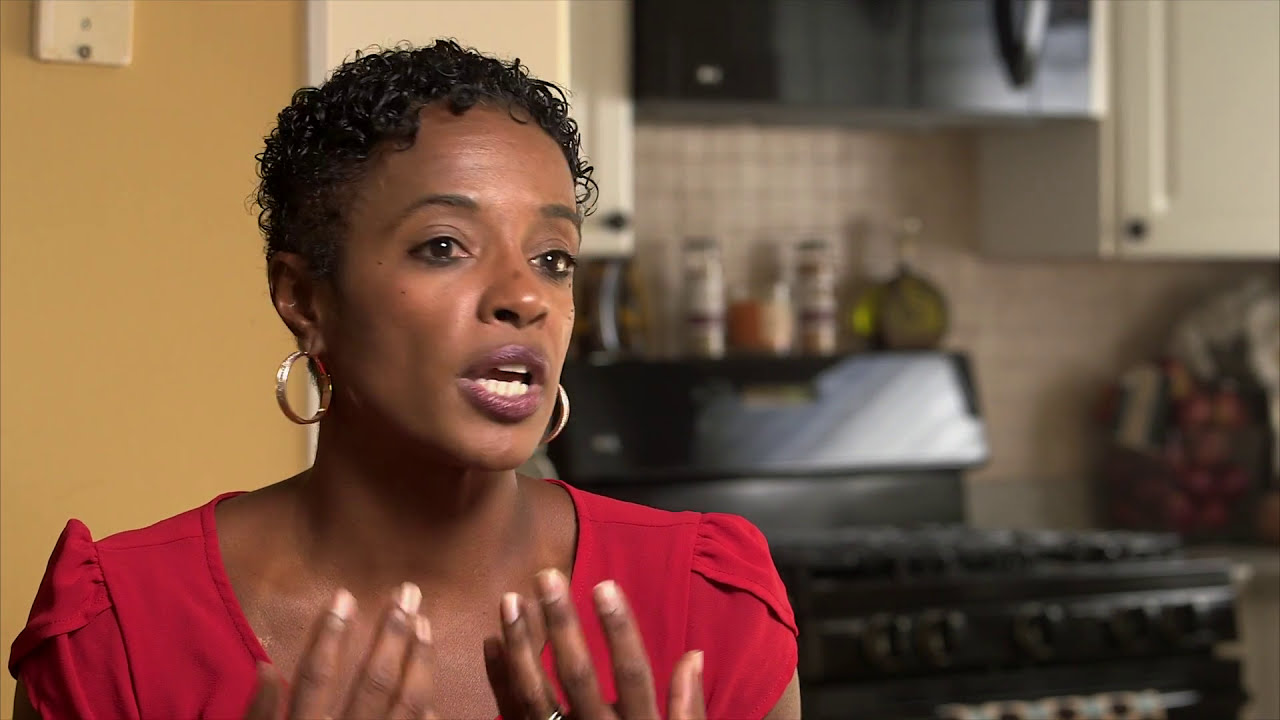 I will have peace knowing I’ve done everything as his mom.video
-
 Parents worry they’re going to have regrets, but if it’s the right decision …video
-
 A bereaved mom: "I battled with guilt for a long time. Did we do her a disservice by keeping her on this earth for 5 months? I am learning to relinquish that because we had no clue."video