 English
 العربية
 Français
 Español

Mechanical Ventilation
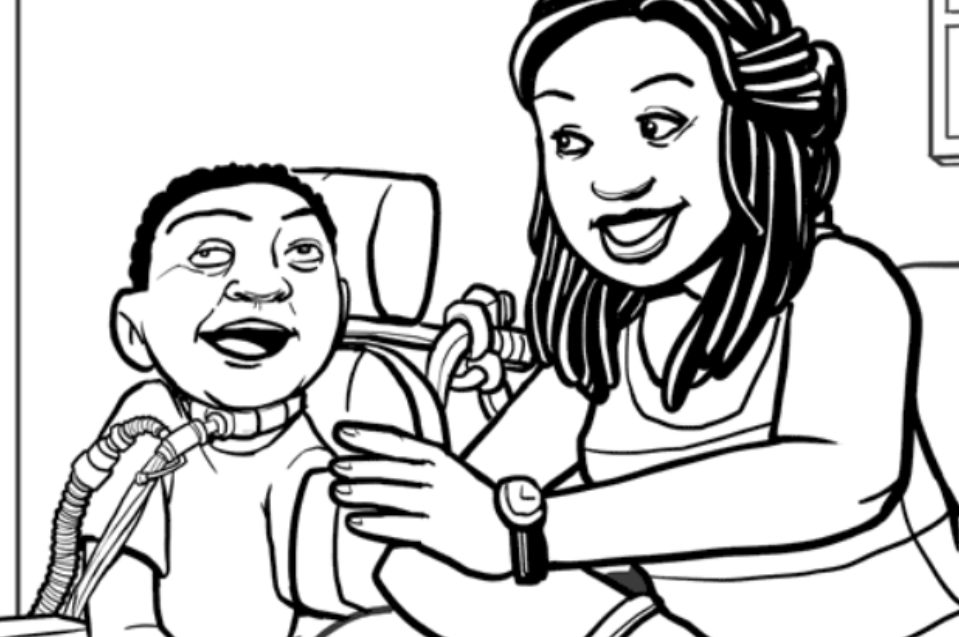
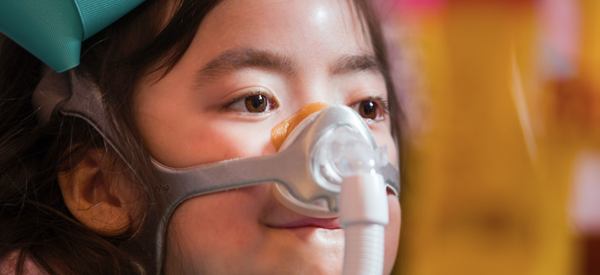
It is not uncommon for children with SNI to rely on mechanical ventilation at some point in their lives. Continuous Positive Airway Pressure (CPAP) or Bilevel Positive Airway Pressure (BiPAP) devices are often used during acute events, such as pneumonia, to ease breathing during treatment. CPAP and BiPAP may also be considered as chronic respiratory insufficiency develops over time. Chronic issues such as weak chest muscles, or a compromised airway, may make tracheostomy, with or without the use of a ventilator, a consideration.
Your Team:
An interdisciplinary specialist who helps manage the medical, social and emotional challenges of complex and/or long-term care.
A physician who cares for patients inside a hospital.
A specialist with expertise in the diagnosis, treatment, and support of critically ill and injured patients. They often work in intensive care units at the hospital.
A medical specialist in the diagnosis and treatment of diseases of the ear, nose and throat (ENT).
A specialist whose aim is to improve the quality of life of their patients over the course of their illness regardless of stage, by relieving pain and other symptoms of that illness.
A medical specialist in the diagnosis and treatment of disorders of the respiratory system; the lungs and other organs associated with breathing.
A medical professional who treats problems with the lungs or breathing.
A complex care clinician, hospitalist, pulmonologist, otolaryngologist (ENT), respiratory therapist, and/or intensive care specialist can help you understand each option being considered. A palliative care clinician can help you identify difficult questions and provide support when considering complex decisions.
What Your Child May Experience
CPAP or BiPAP
Tracheostomy
Ventilator
A clinician might use the term “need” when reviewing the options. Ask the team to explain what they mean. “Need” is sometimes used to indicate that if it makes sense to support your child’s breathing chronically, then the best way to do that is with a tracheostomy tube or home ventilation. If you are considering mechanical ventilation at home, talk with the palliative team about the impact that having the equipment in your home will have on your family unit. You will be the best person to determine if the recommended treatment will give your child better days, or if it does not make sense given other complex problems that will continue–and whether treating your child at home will work for your family.
The best decision sometimes changes as your child’s condition changes. Sometimes a child has many medical problems that overwhelm the available treatments. These medical problems can then change how well your child can remain comfortable and enjoy each day. The palliative team can help you think about how to decide whether and when treatment is no longer beneficial. They can become the keeper of your goals and check in with you about what is important to you as your child’s illness changes over time.