Skip to content
Courageous Parents Network Logo

Search

Search entire library or by microsite

Click here for NeuroJourney resources

Theme: Spinal Fusion

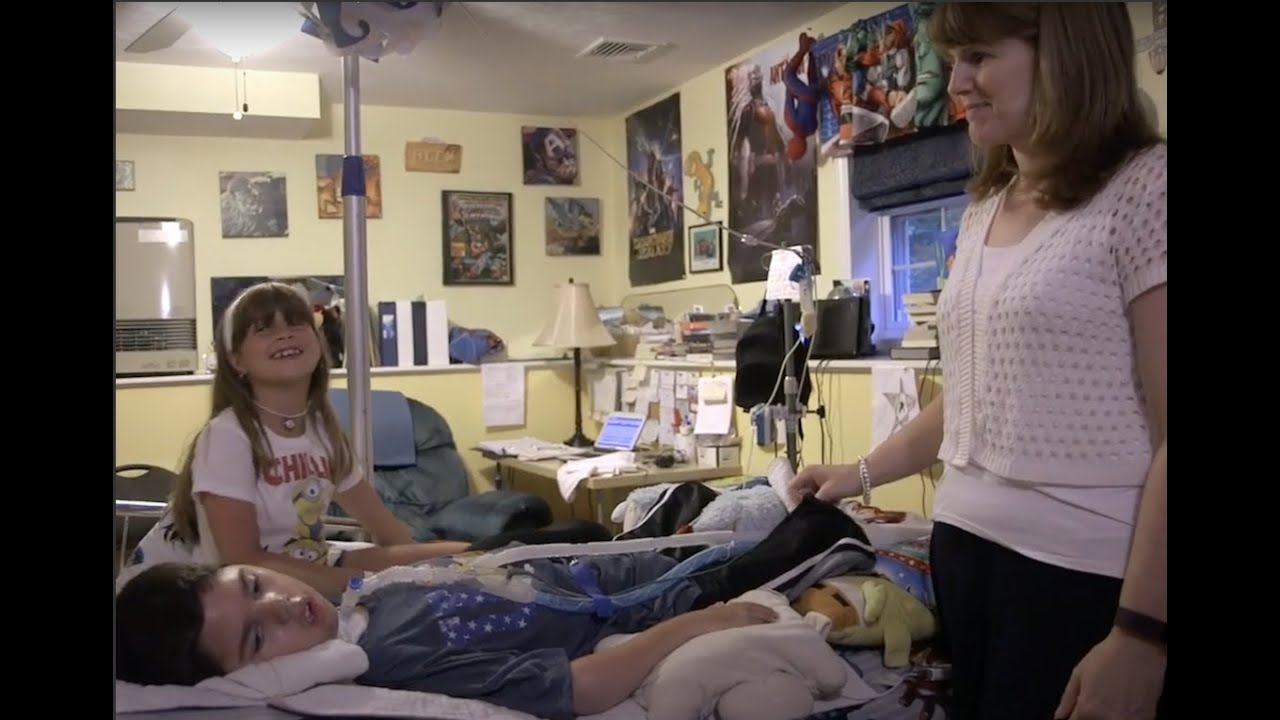
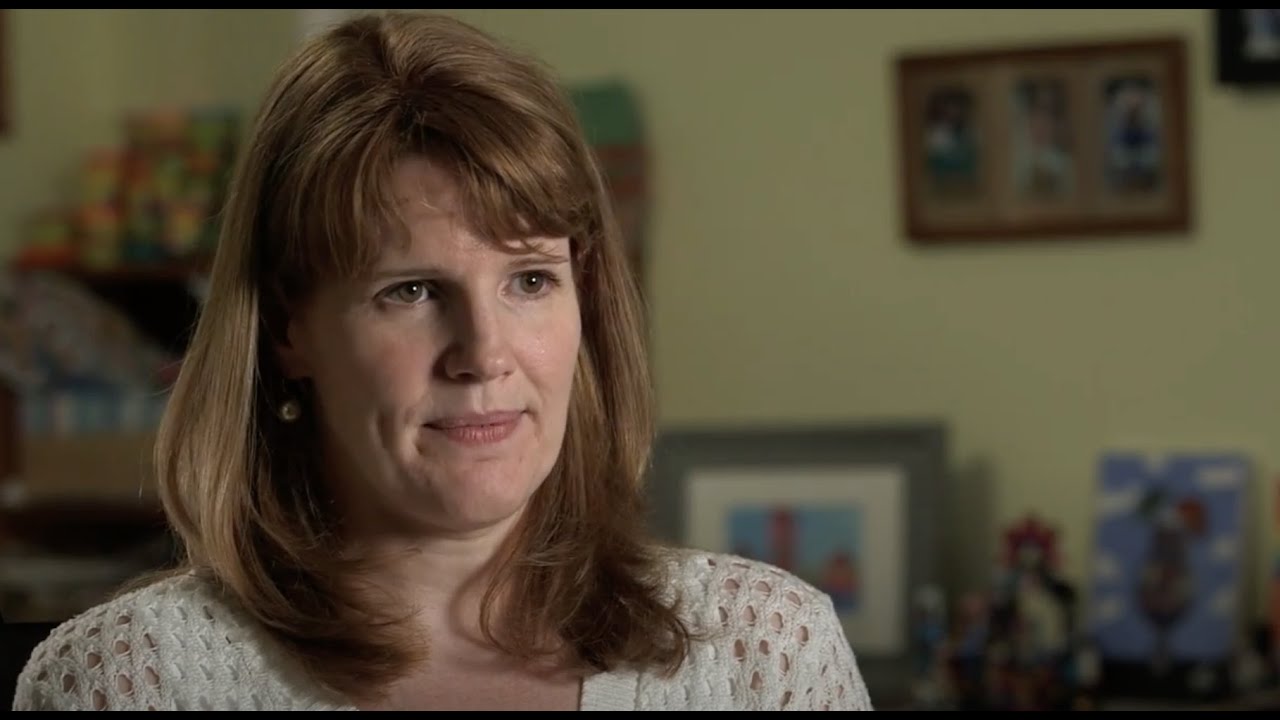
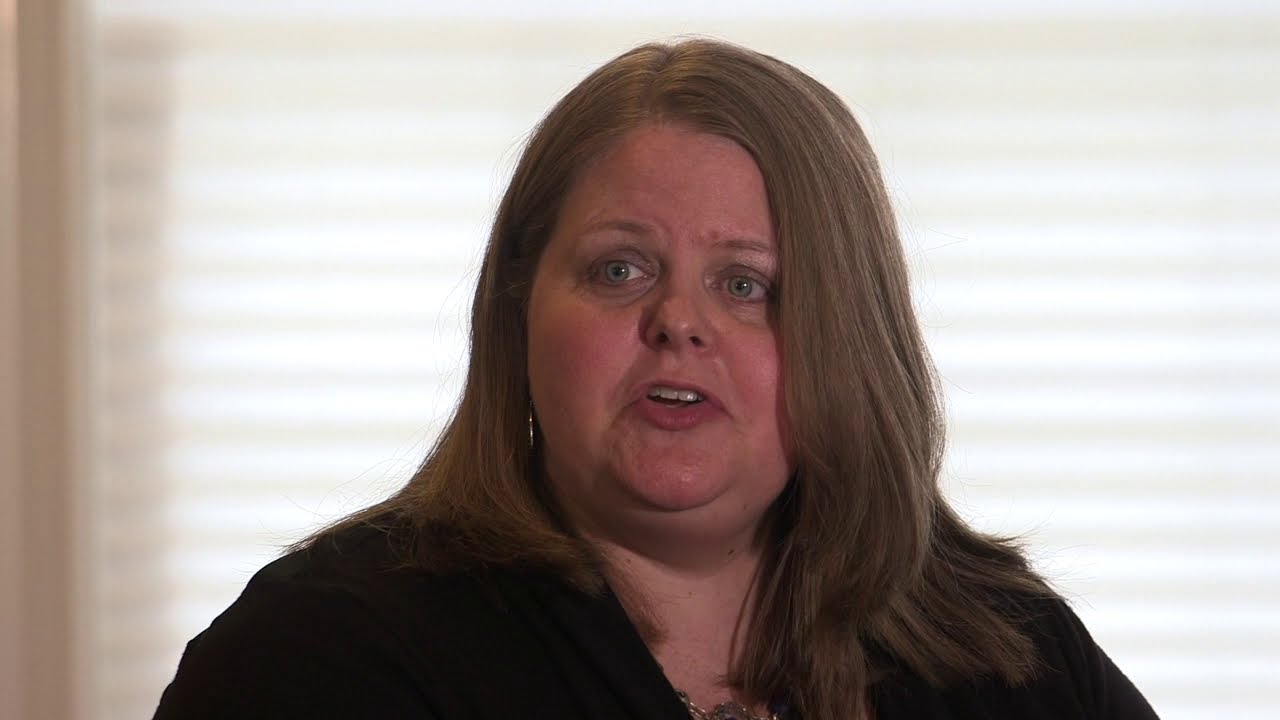
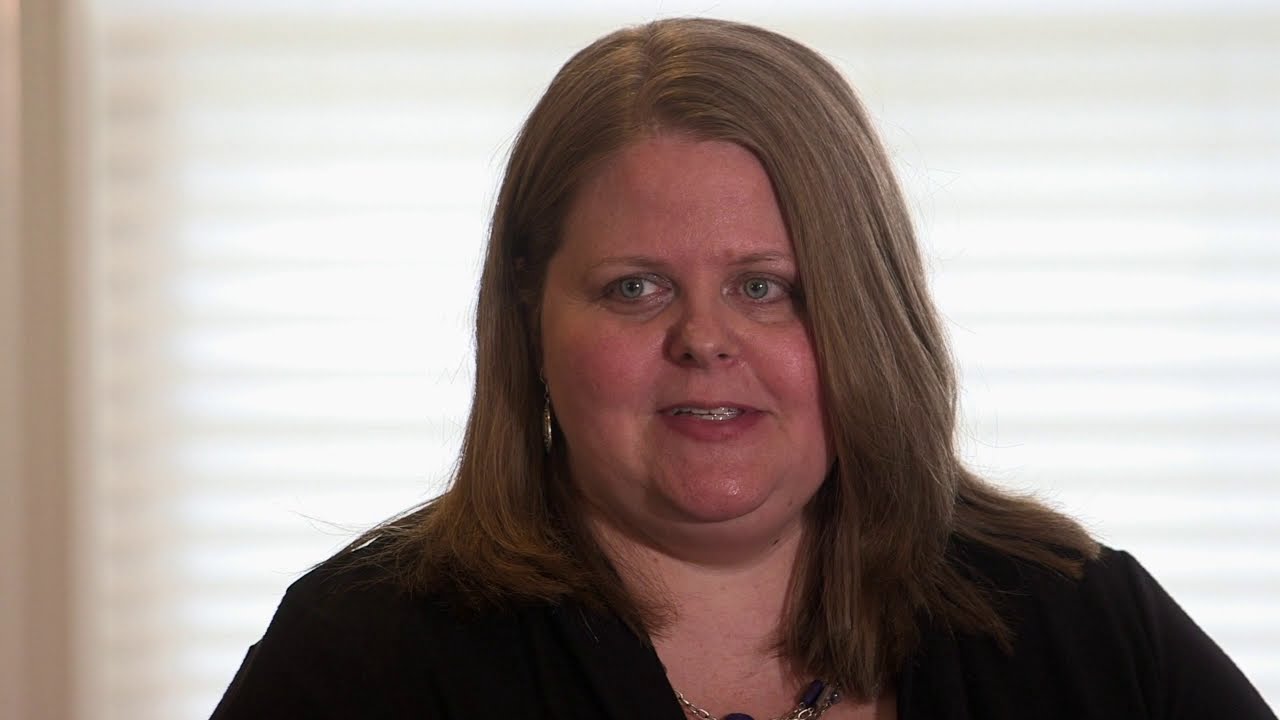
My first born, my daughter Cassie, was diagnosed at 4 days old with a very rare neurological disorder called Aicardi Syndrome. People with Aicardi syndrome have absent or underdeveloped tissue connecting the left and right halves of the brain, and symptoms can include seizures, global developmental delay and vision impairment. We quickly came to understand that the hopes, dreams and aspirations we had for her would be very different than we had envisioned. So many of the milestones we parents enjoy watching our children achieve would not be possible for Cassie. I was never given a life expectancy for my daughter, but as time went on, it became more and more apparent to me that I could not expect that she would experience a long life with her family.

The harsh truth of this began to sink in as Cassie entered her 11th year. Issues related to her Scoliosis were now affecting her lungs and we were faced with decisions about possible interventions. We met with several of her specialists, and it was recommended by her orthopedist that Cassie have growth rods placed to correct her scoliosis. The only concern shared by him was that the older she got, the harder the surgery would become as the bones become harder to manipulate, which causes the surgery to be longer. Each subsequent specialist OK’ed her for the surgery as far as their specialty, and whether they thought she could withstand it. We finally met with her pulmonologist, who then gave us a very different picture of exactly what might result from the surgery and associated interventions being discussed by her colleagues. She shared that Cassie would more than likely need a trach and could face 6-12 months of respiratory issues caused by the surgery as well as possible infections caused from the growth rods and then may need follow up surgeries. She expressed her concern that Cassie might not be strong enough to come out without some major complications. She strongly suggested we meet with the Pediatric Advanced Care Team (palliative care) at our hospital to help us move forward with our decision-making.

Shortly after being referred to the PACT team, Cassie had an episode resulting in her being admitted into the ICU. This was the first of three admissions in a six-month timeframe, each lasting for 12-17 days. During the first admission, the PACT social worker came to visit and asked if we could plan a meeting with the team to talk about what was happening. I agreed. It was during this meeting that someone asked me, for the first time ever, “How do you think Cassie feels about being here and all the interventions that she is experiencing?”

With this one exact statement, I began to question what being a good parent was truly about. I answered,  “I think she absolutely hates being here and all the invasiveness she is experiencing.”  It was then that I heard that it was OK to say No and that it would be coming from a loving place. This was a completely foreign concept to me as I had grown up with a mother who was a RN and you did what the Doctor, said no matter what.

Prior to this exchange, I would have said that getting Cassie to all of her doctor appointments, following the instructions and orders of the doctors, making sure that all of her many interventions were in place daily to keep her healthy, and finding time for some fun somewhere in-between meant that I had done all I could to be a good parent to her. But things were changing. The many interventions that she had previously encountered 1 or 2 times a year during brief hospital stays she was now needing daily. And the interventions being proposed could mean even more complications and, again, more daily interventions added to the list.

I began a long process of (re)discovering what it truly meant to me to be a good parent to Cassie. This was not an easy thing nor was it quick in coming. It took much soul searching, praying and help from the PACT team as well as from our local palliative care provider.  Because my daughter could not communicate her feelings to me, I had to go with what I thought she would want and what my wishes would be for myself should I be faced with the same choices. I chose comfort care for my daughter, with no extraordinary interventions. In this I was fully supported by my daughter’s pediatrician, our local palliative care team, and the PACT team, and then by our local hospice team when the time came to transition.

My daughter spent eight months supported by hospice in our home and the last two weeks at a local hospice house. Looking back, I would not change a thing. My daughter spent her last days surrounded by loved ones and friends comfortable and at peace. The PACT team told me I was an amazing parent because I was able to process and plan for Cassie’s passing, that it was coming from the great love I had for her. They also shared that some parents are not able to do this. After this experience, I would say to all parents: Do not be afraid to plan or prepare for your child’s end-of-life, because when the time comes, all the hard questions have been answered and all you have to do in those last precious days and moments is focus on loving your child.

Theme: Spinal Fusion

Theme: Spinal Fusion

Introductción

Usted (y su hijo si tiene la capacidad) están considerando una decisión sobre usar la fusión de la espina dorsal (fusión espinal), para la escoliosis neuromuscular, para su hijo. Hay varias cosas para considerar con su hijo, su cirujano y el equipo médico. Este guía lo conducirá a través de todos los pasos necesarios para ayudarle a tomar la mejor decisión para su hijo.


Theme: Spinal Fusion

Parents of a son with SanFilippo Syndrome and their palliative care doctor discuss how they considered whether to have spinal surgery (fusion) for their son and the role that palliative care helped them in making multi-faceted decisions. It was a ripple effect and we needed multiple doctors to consider the many dimensions. The interventions being considered in their entirety Had To Benefit Him. Doctor: “We get so confused as a medical profession when we say, ‘Well, he’ll NEED a g-tube. You may need a G-Tube to live for a long time but you may not need a G-Tube to live the kind of life you want to live.”

Theme: Spinal Fusion

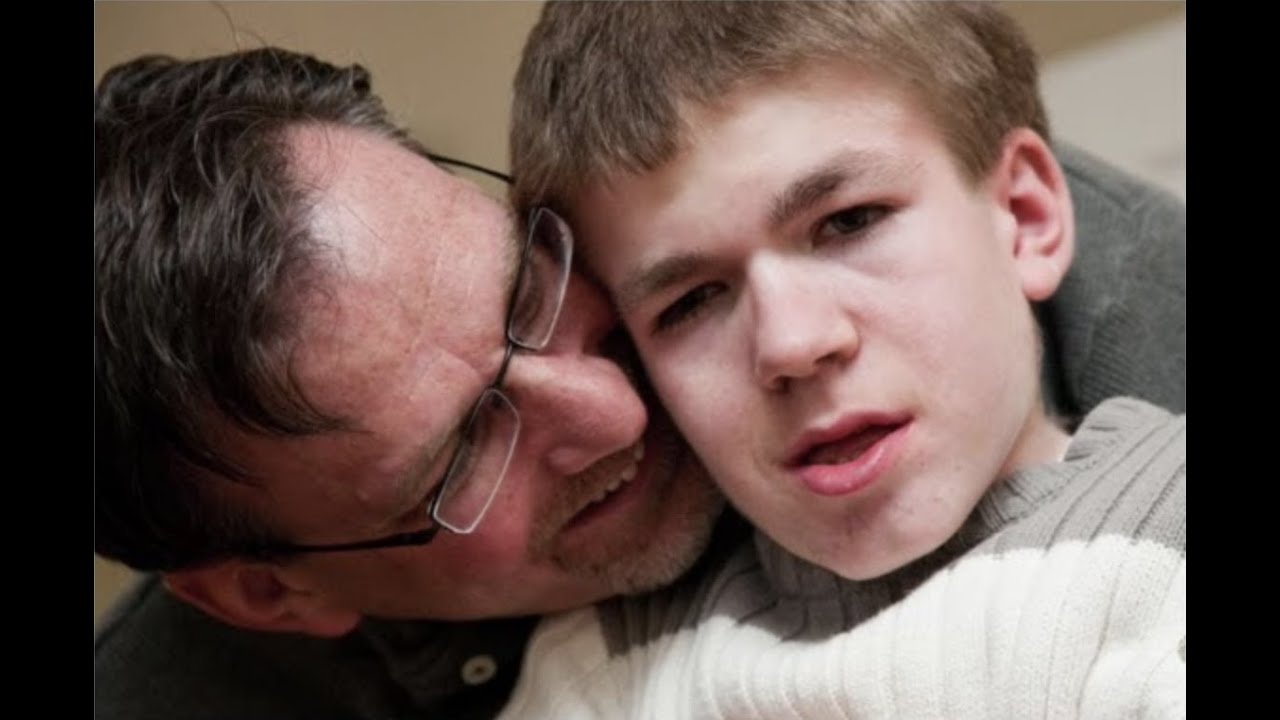
The mom of two sons with mitochondrial disease talks about how she and her husband considered all the variables that went into their decision to ultimately forego spinal surgery for their son. It was all about quality of life. “I still don’t feel totally at peace with this because I have a visual reminder every day that I decided not to do this. But I know I made the best decision for him because I do not want him living in the hospital because of a surgery that he may or may not survive and that he will need to keep getting.”

Theme: Spinal Fusion

The mom of a 12-year old boy with SMA Type 1 talks about her decision to go forward with spinal surgery for him.  A long, intense and invasive process but he’s now doing so well and she’s so happy they made the decision to go ahead with the surgery.

Theme: Spinal Fusion

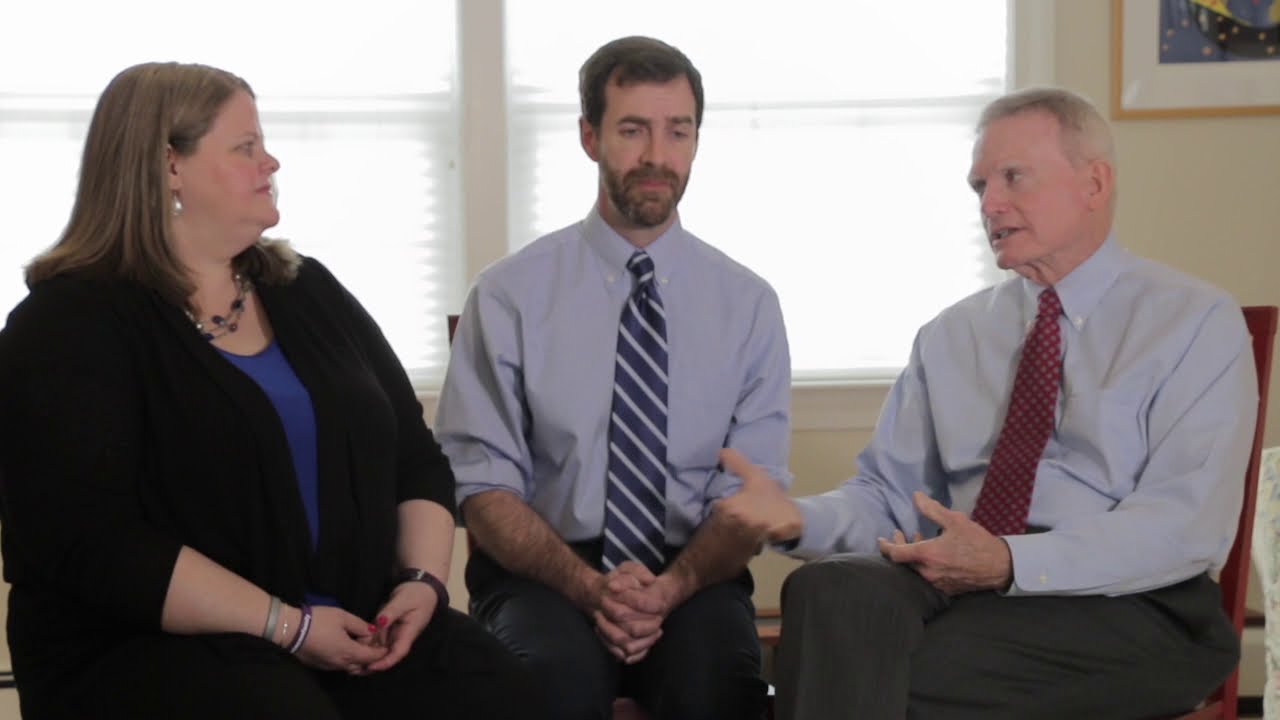
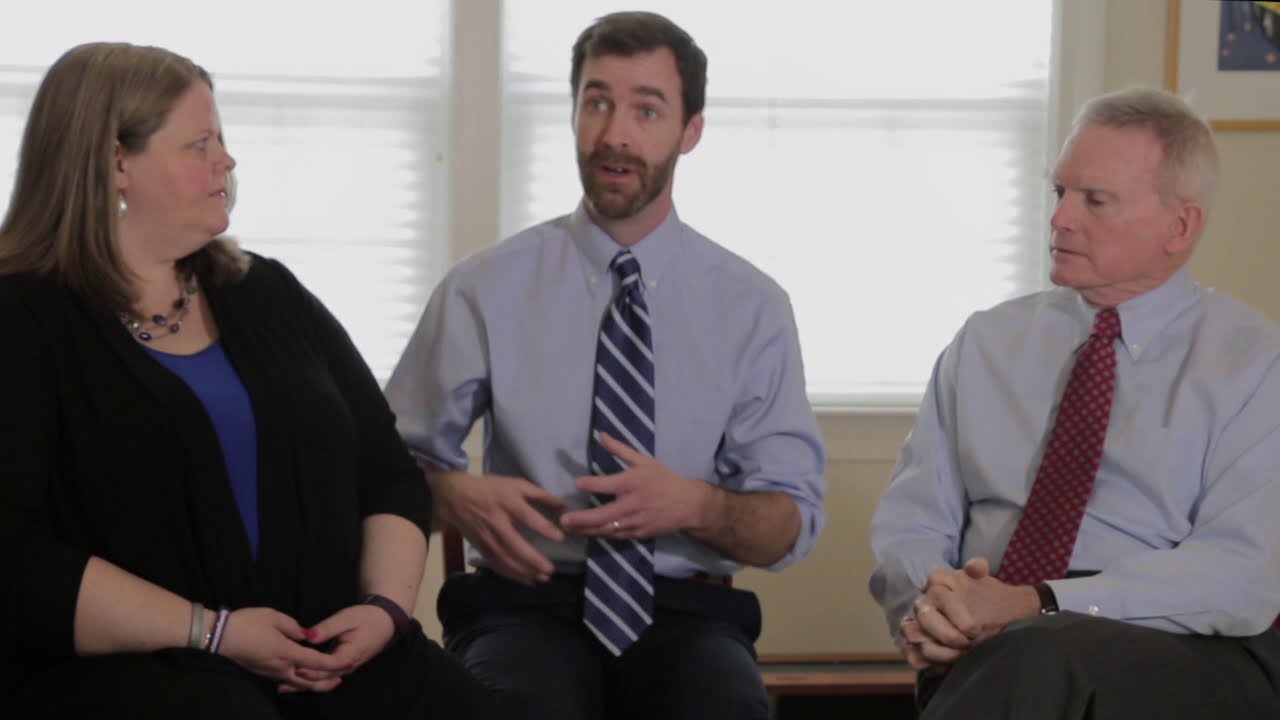
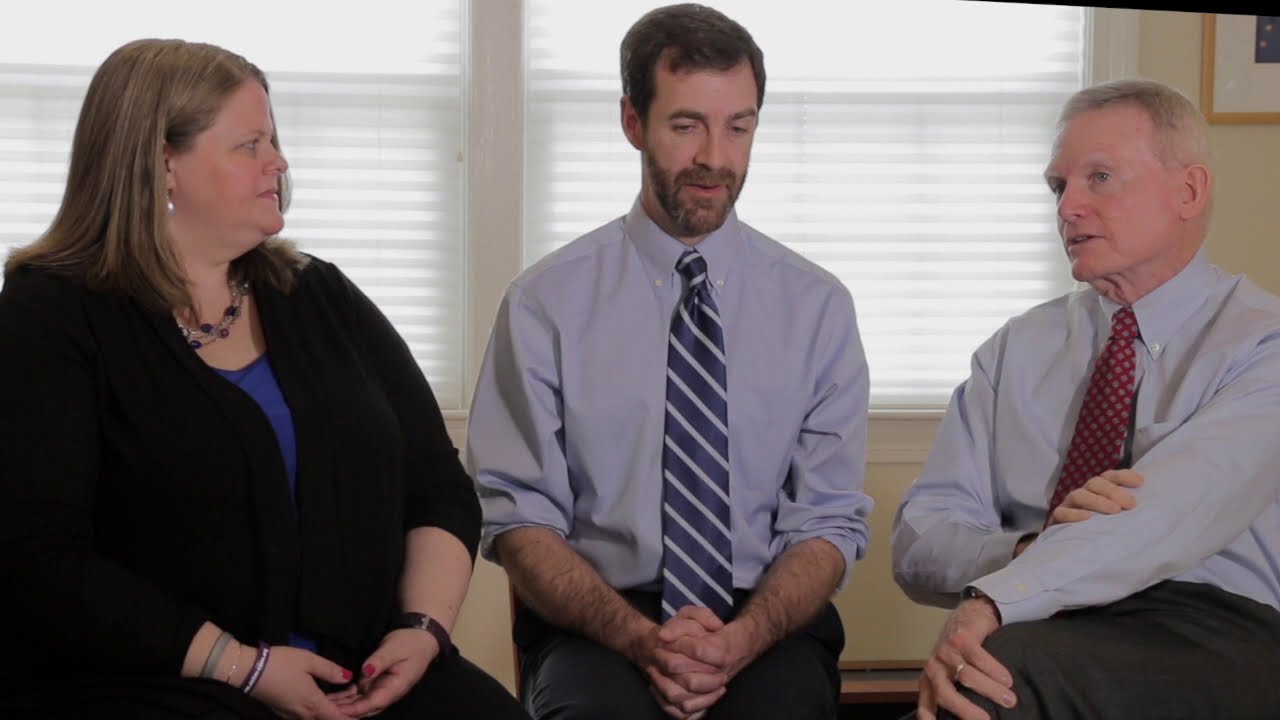
Longer, unedited, Variation on the shorter clips in the Spinal Fusion Decision Making topic. A general pediatrician, an orthopedic surgeon and a mom in conversation about the decision-making progress to move forward, or not to move forward, with spinal fusion surgery for a child.

Theme: Spinal Fusion

Courageous Parents Network and Boston Children’s Hospital collaborated to develop a Guide and Videos to help families of children with severe scoliosis and their providers decide together, through a thoughtful process of shared decision-making, what is in the best interest of the particular child and family.

Watch videos featuring parents who have made this decision, as well as a pediatrician and a surgeon discussing the decision-making process.

FACTS

DECISION-MAKING

SIX-STEP DECISION-MAKING GUIDE (download pdf above)

WATCH ASSOCIATED VIDEOS featuring parents and providers

Theme: Spinal Fusion

The value of communication and being transparent with the parents. Each specialist – surgeon, pulmonologist, nutritionist — and the parents will have their own concerns: what are the health issues that can compromise this child’s perio health and safety? Parents appreciate knowing the specialists are talking and conferring with each other.

Theme: Spinal Fusion

Erin Ward, mother of Will, age 17, who had spinal fusion therapy at age 14, and Jay Berry, MD, General pediatrician, Complex Care Service, Boston Children’s Hospital, discuss the Decision-Making for Spinal Fusion Surgery initiative and the purpose of the associated Guide as a tool to help families and providers make an informed, process-driven and optimal decision for the child.

Theme: Spinal Fusion

Surgeons understand that many different factors play into the child’s readiness for surgery and surgical outcomes. The better the pre-surgery assessment, the better the outcome. What happens during the surgery itself also affects outcome: Blood loss; Length of the surgery; Child’s inherent respiratory status (ability to manage coughs and secretions)

Theme: Spinal Fusion

Jay Berry, MD, General pediatrician, Complex Care Service, Boston Children’s Hospital: Every child under consideration for surgery should have  a comprehensive health assessment. The findings may indicate the need for more time or interventions before surgery. How healthy is the child?  What is their health trajectory likely to be? What risks or health issues should be addressed ahead of surgery to optimize the health of the child? How controlled are the chronic health conditions; how severe are they are; how could they affect anesthesia? What medications are they on and how will they be delivered post-op? IV? What technologies are they dependent on and how will that work during and in post-op? Are the child’s nutrition and hydration levels good for surgery and post-op? What is child’s bone health?