
 English
 العربية
 简体中文
简体中文
 Français
 Português
 Español

Dyspnea
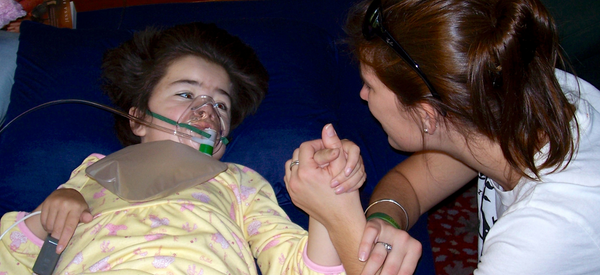
Children who suffer from recurrent respiratory illness can develop dyspnea, or uncomfortable breathing. Dyspnea is a primal, protective response to help increase oxygen in our system. Dyspnea with a new respiratory illness can improve with treatment for the cause of the illness. During decline, when treatment of chronic respiratory problems may have less benefit, dyspnea can sometimes be decreased with symptom treatment.
Your Team:
An interdisciplinary specialist who helps manage the medical, social and emotional challenges of complex and/or long-term care.
A medical specialist in the diagnosis and treatment of diseases of the ear, nose and throat (ENT).
A specialist whose aim is to improve the quality of life of their patients over the course of their illness regardless of stage, by relieving pain and other symptoms of that illness.
A medical professional who practices general medicine.
A medical specialist in the diagnosis and treatment of disorders of the respiratory system; the lungs and other organs associated with breathing.
Your child’s primary physician will help assess for new problems when your child has respiratory symptoms. A pulmonologist, otolaryngologist (ENT), or complex care clinician can consider and manage chronic causes of respiratory symptoms. Complex care and palliative care clinicians can think through different options for managing recurrent respiratory symptoms that are causing your child to be in distress.
What Your Child May Experience
Like pain, dyspnea can be difficult to assess in nonverbal children. You and the medical team can determine what dyspnea looks like in your child and when a respiratory illness is causing distress. Features may include an altered facial expression such as grimacing, anxious or fearful look, appearing restless, and/or an elevated heart rate. Signs of increased work of breathing include flaring nostrils and use of the muscles between the ribs. You will know when your child is more comfortable by observing their facial expression.
The medical team will assess whether the breathing issues are dyspnea or a result of another condition. Many children with SNI are also treated for spasticity, a possible contributing factor in respiratory problems. Symptom-directed treatment may be possible; for example, the palliative care team might suggest medications and/or devices (like cool air from a fan directed at the face), repositioning, and a calm environment. It is also possible that the palliative care team will suggest using morphine or another opioid medication, which acts on multiple receptors throughout the body to help decrease the discomfort associated with distressing breathing.
The prospect of using morphine to manage respiratory distress may worry you, because it is often used as part of end of life treatment. You may worry that agreeing to use morphine is giving up on your child. It might help to know that morphine and other opioids are effective in decreasing the discomfort with breathing at a lower dose than that used for pain, and that using morphine is not an automatic indication that your child’s life is coming to an end. The medical team might just be thinking about how to help your child both have less distress and recover. This is something you may wish to discuss and clarify.