Theme: Hope
The mom of a little boy born very prematurely tells the story of a conversation with a doctor who told her not to expect her son would walk in a very insensitive way. It could have been said so differently. “I remember how she made me feel. .. Always leave a little room for hope. You need to give parents something to look forward to.” She offers other suggestions too, including such wise words for parents.
Theme: Hope
It’s a normal weekday morning and I’m in my white Toyota Sienna minivan at a stoplight en route to my daughter Chloe’s school. Our route is a short distance from our home, one right turn and two left turns to get to the parking lot of her middle school. These drives used to kick off the hopeful prospect of a few hours of time to myself once Chloe was dropped off. It seems each week these periods of respite get fewer and farther between. Lately, due to her illness she spends much of her time at home rather than a classroom.
Today, with the assistance of my minivan’s visor mirror, Chloe uses the drive time to finish her morning beauty regimen. My mind is already racing through a laundry list of to-dos. I have phone calls to make, emails to respond to regarding Chloe’s care, and need to squeeze in a trip to the pharmacy. As it usually does at this stoplight, my brain begins to feel like a tornado. This single pause allows a swarm of thoughts to take over my mind before I can even pull into the parking lot.
“How long will she make it at school today?”
“Will the nurse call me before I get to all of these tasks?”
“I need to walk these newly filled medications into the clinic when I get there.”
“What evenings should I sign her up for homebound services this week since she only got to school one day so far?”
I stare blankly out of the window with a glazed expression. I am so deeply in thought that the driver beside me might have believed I was hypnotized into a trance. After applying one more layer of a viral mascara and slamming shut the visor, Chloe’s voice abruptly cuts my thoughts to silence, stating “I think I want to go to Yale”.
While most parents might have a flutter of excitement when their child announces their Ivy League aspirations, I felt a pit in my stomach. She waited patiently for my response and my words stumbled. I tried my best to sound encouraging and saying, “Sounds like you are ready to work towards a big goal, Ms. Rory Gilmore.” (an ode to our mutual favorite show)
How do I realistically support a dream that seems unachievable? How do I explain that attending only 1-3 half days of public school each week will not prepare her for the next grade level? How do I tell her that her disease is unpredictable and any day a crisis could be around the corner bringing about extremely limited options? How, as a mother, do I dare to steal away her dreams? Is a reality check important right now? Why is everything so hard for her?
I drive the rest of the way to school making the one right turn and two left turns on what feels like “brain cruise control”. I take Chloe into the building, and we walk together to the clinic. I drop her medications off with the nurse while Chloe signs into the office. Afterwards, I wave goodbye through the window of the clinic. She returns my wave and gifts me with her effervescent smile as she makes her way to class.
I walk to my car and sob.
The unknown of Chloe’s future is deafening and devastating. Even with an extremely supportive school, a detailed 504 plan, and homebound services, Chloe’s lack of instruction due to her disease burden has proved too heavy. Juggling chronic pain, handfuls of medications, dozens of monthly appointments, and two forms of feeding modalities, school sometimes must fall to the wayside. The weight of being a licensed teacher and watching her education slip away is enough to make me drown in guilt. I want school so badly for her. I wish her disease would cooperate with our wants.
When I share these feelings of guilt and shame with her palliative team they respond encouragingly. “Chloe would never be where she is today without your care”. They gently remind me that our goal just last year was to not be in the hospital and now she’s attending some school. Give it time, they tell me. But my teacher training reminds me that the school year keeps ticking forward, outpacing Chloe.
While this journey may not be linear or predictable, I need to celebrate the wins even when the what-ifs are dark and terrifying. By supporting Chloe’s big dreams, I am allowing her to see more for herself. My support enables her to look in the mirror and see more than scars and medical accessories. While she dreams of Yale, Chloe sees light and envisions her future. She can see herself as a doctor, a teacher, or even the next Elle Woods. The truth is while tomorrow for Chloe could mean a medical disaster, it could also mean a step forward toward a diploma.
After all, Yale’s motto proudly inscribed in its crest reads, Lux et Veritas.
Light and truth.
And some days on this medical odyssey the light feels much warmer than the truth.
Theme: Hope
A pediatric palliative care physician shares a story about how she learned to ‘reframe’ for herself what families may be doing when they hope for a miracle for their child.
Theme: Hope
Katie Krawzak, fellow Blogger in Residence, recently wrote a piece about her role as a palliative care provider. There was a part of her piece that I really connected with and knew it was the topic I had to write about next. “Hope can feel heavy. Again and again, we humbly watch you break down your big hopes into smaller hopes to survive this hour, this day, this minute or this breath.” This profoundly perfect statement is not only incredibly validating but also painfully accurate.
I used to hope for the future. Hope was pure and uncomplicated. It was blissfully untainted by sorrow. Hope was simple, comfortable, and practically automatic, representing a “normal” life for Andalyn–a life free from medications and the dangerous, often unpleasant, side effects. Hope was a life without feeding tubes and medical pumps, life-threatening emergencies and complex care coordination, central lines and IV infusions, and the never ending need for hyper-vigilance. Hope was absolutely bursting with peace, joy, and promise; but hope can be a shifty thing when you have a child with life-threatening medical conditions.
Over the past 18 months, I have been trying to come to terms with the reality that there is never going to be a “fix” for Andalyn. It was quite unexpected when in the throes of trying to make my shift from “cure to comfort,” hope shifted, too. It betrayed me.
Hope was no longer full of sunshine and rainbows; it had become complex and heavy. Apprehension and anxiety about my child’s future blurred the horizon until it’s rainbows dissolved into hazy mists of uncertainty, and the oppressive darkness of grief blotted out the warmth of its sunshine. Hope was elusive and cruel, depriving me of its goodness. It was suddenly something only other people got to have.
Hope had become a fairy tale.
Initially I was very angry at hope for inexplicably becoming a source of pain. I was feeling lost and scared and desperately wanted to protect my heart from this new-found traitor.
One afternoon, I was talking through this betrayal with Andalyn’s palliative care doctor when she asked me, “What does hope look like when there is no cure?” Her question caught me off guard because, of course, I had no idea.
I thought about her question many times after that conversation. Through gentle guidance and insightful palliative care support, the answer slowly unfolded, delicately and quietly. It took a long time to accept that hope would never again look the way it once did. The swirling mix of anticipatory grief, PTSD, and the constant reframing of dreams and expectations had forever changed the way I experienced hope. It was no longer automatic, comfortable, or easy.
But now I know it is possible.
Hope used to be framed in terms of happily ever after–a time in the distant future when everything would be ok. Since I can no longer afford the emotional trauma that perspective involves, I have to adjust the timeline on hope. This timeline fluctuates based on what feels possible. It requires focusing on the short term far more than on the long term, constantly bringing myself back to the moment when the future feels like too much. Sometimes that means not looking past the moment I am in. Other times I can safely look ahead a week, a month, or maybe even a year or two, depending on the emotional cost paid for in disappointment.
I no longer hope for things that would be devastating to lose. Instead I hope for things I think I could recover from if they don’t work out the way I hope they will. The price I pay for hope can’t be more than my heart is willing and able to pay.
Hope is now bittersweet. It has become an uneven mixture of joy and sorrow. It is appreciating tender mercies when they come and celebrating things that in different circumstances I might not even acknowledge. Hope has become an evolving journey of re-evaluating decisions and interventions that don’t line up with priorities and goals for maximizing quality of life. It is intentionally creating happy moments and planning positive experiences, even in the shadow of risk, so that Andalyn can live fully in the present and I can still allow waves of grief from what never will be to come and go as they need to.
Hope is gradually becoming less and less of a fairy tale.
Looking into a future where Andalyn may not be is unimaginable. So, as Katie said, I break my “big hopes” down into smaller ones in order to survive. I have learned that this can be much different than expected because it requires embracing two opposing realities at once. For me, it can look like looking forward to a fun weekend in a town an hour away because that feels safe and manageable, while trying not to worry about if it will be the last time we get to go. It can also look like working with the medical team so Andalyn can do a soccer skills camp at a local park the first week of summer, knowing that her dreams to be on a traditional soccer team aren’t realistic.
Breaking big hopes down into smaller ones means letting go of my dream that one day Andalyn will no longer need a central line for daily infusions. It means finally buying a dorm fridge for TPN and IV fluids and then choosing to focus on the fact that there is finally room for actual food in the other one.
Sometimes breaking down hope can mean feeling intense relief and gratitude for the AMAZING school Andalyn recently got into at Children’s Hospital, a program exclusively for medically fragile kids. The gratitude doesn’t stop me, however, from crying most of her first day because it’s heartbreaking that she meets the criteria to be there in the first place.
Mostly, though, breaking down big hopes into smaller ones means recognizing when a ray of sunshine manages to break through the storm clouds of grief and then being able to stand in its light. For a moment I find myself on the top of yet another mountain we’ve climbed, the whipping winds of pain suddenly calm as hope’s vibrant color spreads across a landscape previously cloaked only in shades of gray. In that moment I stand smiling in hope’s warmth with my face lifted up, my arms stretched wide, and my heart filled with gratitude, even as the sunlight glints off the tears slipping down my cheeks.
As I conclude my year long commitment as blogger in residence at CPN, I invite you to leave me a comment or send an email to connect@courageousparentsnetwork.org about your relationship with hope.
Theme: Hope
The mother of a daughter diagnosed with Congenital Diaphragmatic Hernia talks about how initially she felt anger but turned to hope and focused on what she had to be grateful for.
Theme: Hope
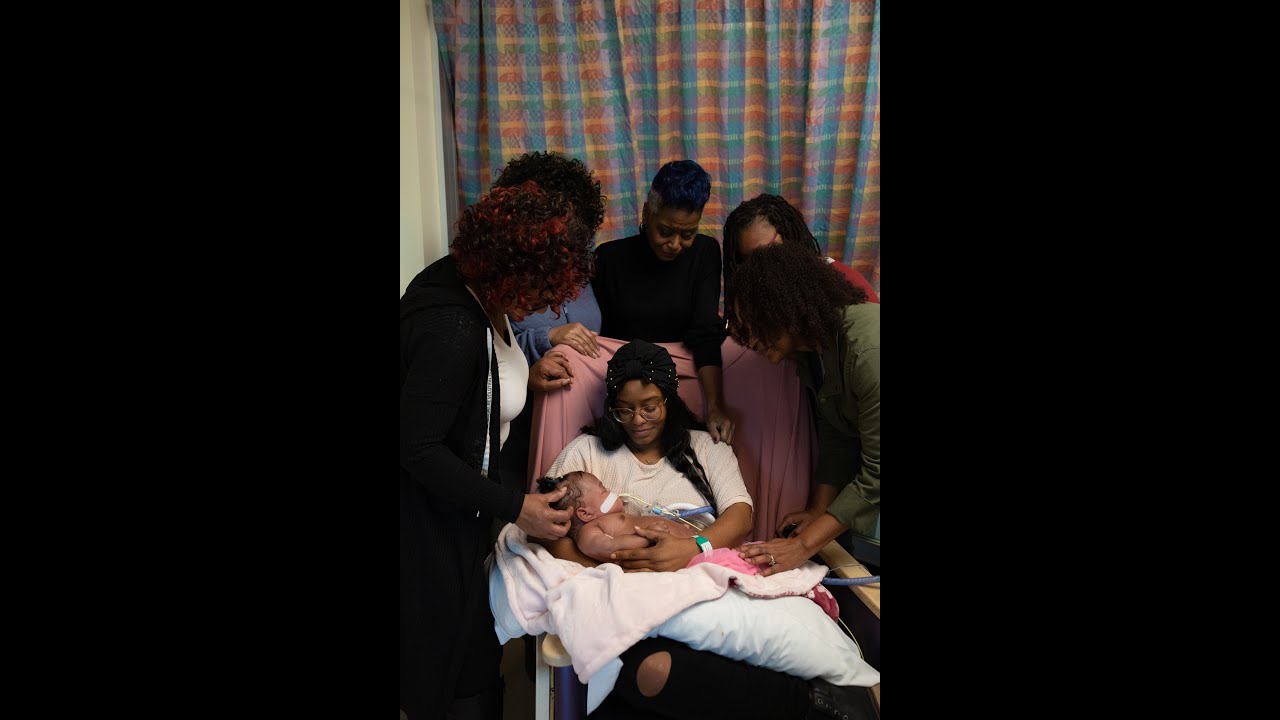
I did not have to do it by myself. There was so much love in that room… I could not have asked for a better ending for her… She was surrounded by people who loved her.
Theme: Hope
Theme: Hope
A pediatric neurologist specializing in children with serious neurological impairment discusses balancing future hopes for a child and ensuring that parents are also staying present and focusing on what is happening with their child now.
Theme: Hope
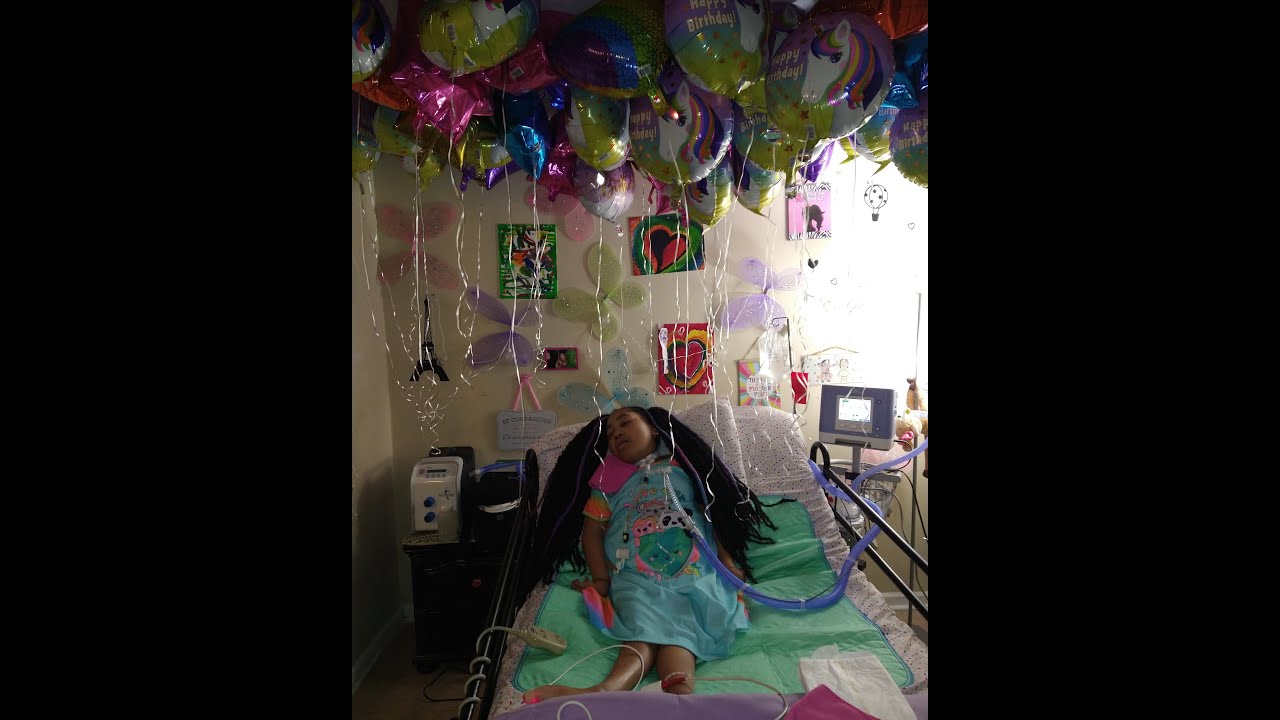
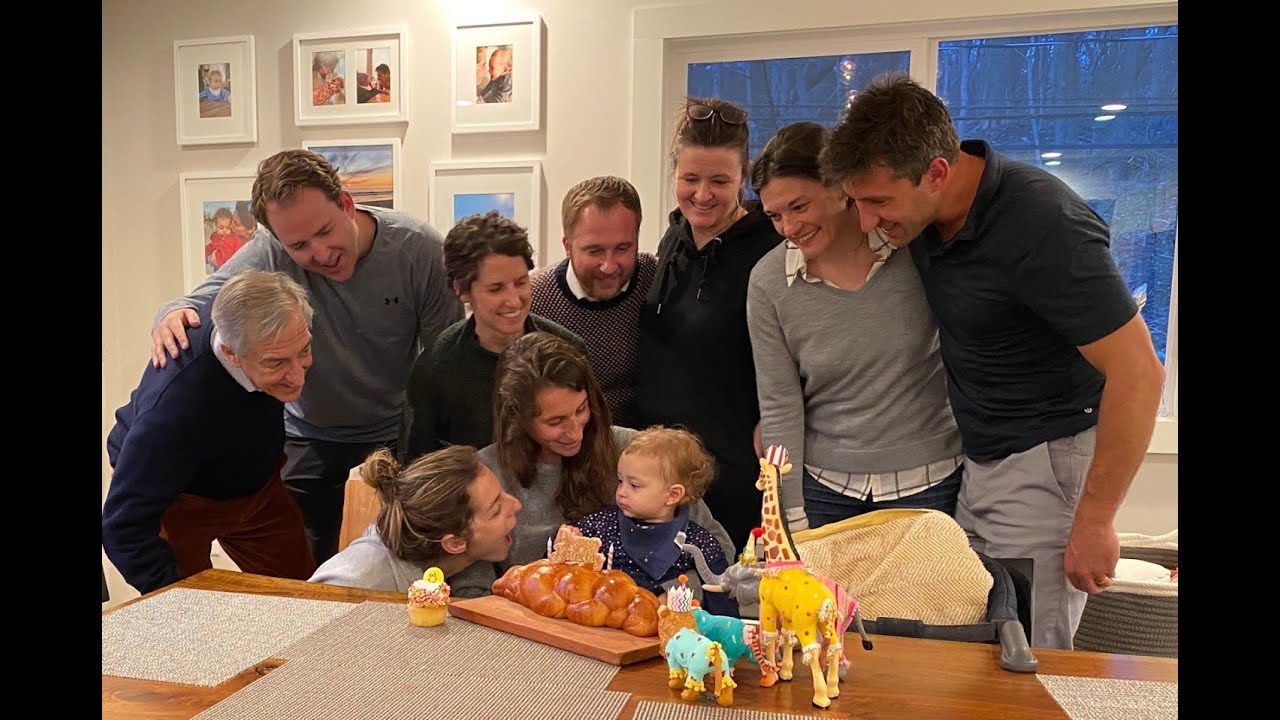
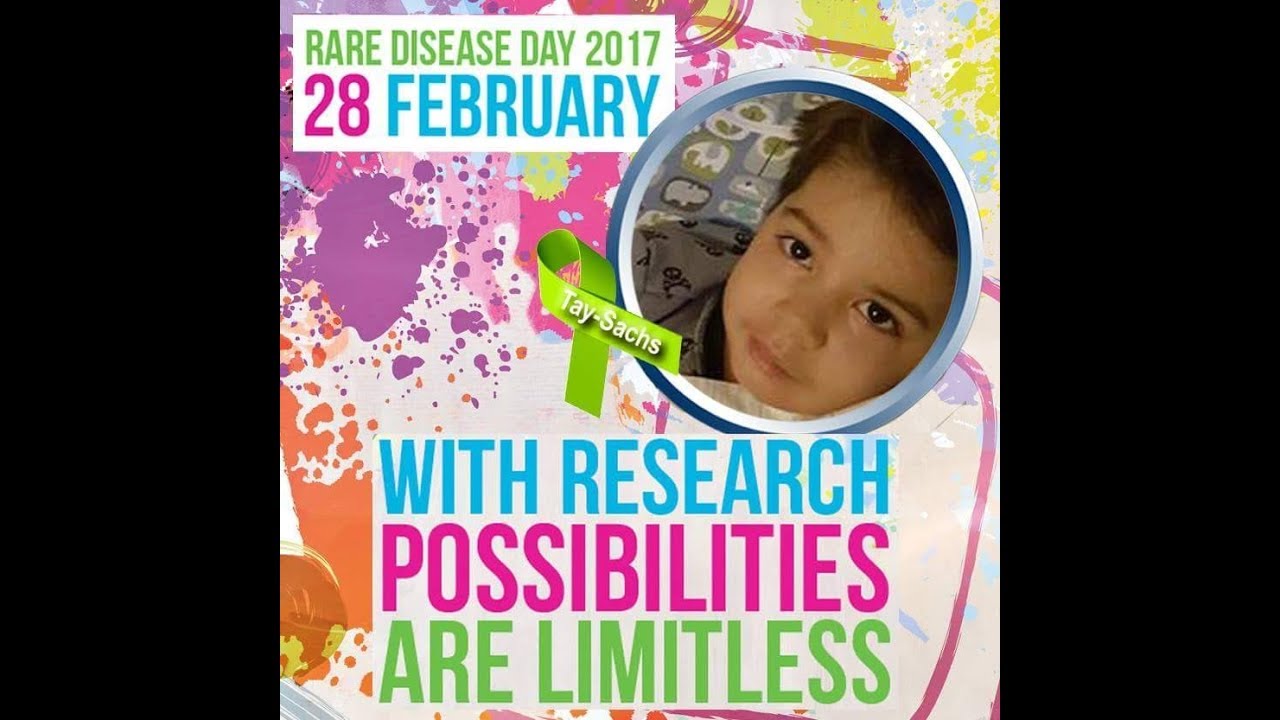
Aunts and uncles of a little girl with Tay-Sachs, Havi, describes the origins of their family’s “Shabbirthday” ritual which they celebrated every Friday of her life. Celebrating Shabbat and her birth, every Friday. It was a time to celebrate Havi intentionally and to let friends and family in. They had 57 Shabbirthdays during her lifetime and continued after her death to honor her life. The ritual helps keep her very present.
Theme: Hope
A recorded ZOOM meeting with parents Liz Morris and Chris and Irene Jakubiak and palliative care providers Jori Bogetz, MD and Nick Purol, MSC. Conversation includes relationship between care plans and good days, communication with medical team, impact of days on perception of being a good parent, baseline, and how palliative care can help.
We think it’s safe to say that all parents want their children to have as many good days as possible. So, what does a good day look like when the child is living with a serious, life-threatening condition? Do the days feel more precious? What are parents’ expectations of themselves? How do the contours of a ‘a good day’ change over time?
CPN invites you — parents and providers — into the Zoom Room to learn and listen as we consider all the ways a day can be good for children living with serious illness. It might mean a day without seizures or a trip to the doctor’s office. It might mean engineering a trip to a beach or a family pajama day to watch a movie. It might be as simple as a day when the child smiles or laughs.
Theme: Hope
One of the currents that runs through most of the family experiences parents share with CPN is that of shifting expectations and holding on to hope. Perhaps it is more accurate to call it shifting expectations to allow ourselves to hold on to hope. The latter, hope, being dependent on the former, shifting expectations. Regardless, this current is ever present for parents who adjust as their child’s condition evolves.
It is our observation that it is often only in retrospect that parents are able to describe this act of holding on to hope and seeking positivity. There is so much poignancy and courage in their reflection.
This reflection from Camryn’s mother Alanna reads like a stream of consciousness, fitting for the quick-moving current it describes.
***
We don’t know why she moves differently BUT she eats well, she is kicking her legs and has her walking reflex, her EEG is typical, she’s happy and we will see how things go. She should be just fine and the doctor said her jitteriness might go away on its own!
Six weeks later the first seizure happens and the genetic results come back. We have a diagnosis. There is a huge range of how these kiddos present. She might need a wheelchair for locomotion and so what— she will be a happy kid! She eats well, she kicks her legs, her EEG is typical, she’s smiling/happy, she should be fine!
One month later, doctors cannot stop what have become daily seizures, “moderate background slowing” on EEG, less frequent leg kicking and smaller kicks. She may need to be in special education when she starts school and so what— what’s really important is she’s happy and smiling and she eats really well! This new doctor will figure things out!
Six weeks later, she is not focusing her eyes on objects as well. She doesn’t really move. BUT she eats well and laughs at sounds and movement. I hope she will be ok— please just keep showing us you are happy. We need to find an even better doctor for another medical opinion.
Six more weeks and she is not really blinking and looks sleepy all the time. I don’t think she can see me. I wonder if she can hear me. Why am I mostly dripping the milk in her mouth? She will hardly ever suck on the bottle. Why hasn’t she smiled since Mother’s Day a couple of weeks ago? Why do things keep going downhill for her? Is she going to fade away? BUT, she can still eat some and she is such a good sleeper knowing when it’s night time. Her circadian rhythm is strong! 
Inpatient stay… EEG activity has become unorganized with large sharp spikes. We are told not to feed her or drip milk into her mouth due to risk of aspiration pneumonia. Do we get a g-tube for her or not? If we extend her life with a g-tube, will they find a treatment soon? If we extend her life with a g-tube, will she continue in her current state with no treatment to improve her condition? No smile to show she is happy? No desire to drink milk anymore? Can she see or hear me? This is all so sudden….How do we know what to do? Somebody just tell me what to do so the weight isn’t on me.
(Later, I will wonder: should we have opted out of the g-tube in the first place and let her go on her own terms around 6 months of age? Maybe. We had to make a choice with the information we had. Could we see into the future? No. Would we have regrets with either decision? Probably.)
After six weeks inpatient, we go home with hospice for almost two years before she passes away. During that time, she couldn’t see, she couldn’t move, there was no indication she could hear, she couldn’t eat by mouth, she very rarely gave a random smile, at what I’m not sure. BUT she seemed to look especially relaxed soaking in her kiddy pool and being held close. This was some form of happiness for her beyond just keeping her comfortable. She also knew when it was night and would go into her deep sleep. So she knew something.
The goal was to keep her comfortable while waiting on this new gene therapy trial. She didn’t make it to the trial. But we kept her comfortable between myself, my partner, the home nurses, and her grandparents.
She made my life complete and the happiest I’ve ever been. The happiness over time was exchanged with grief in layers of painful losses that accumulated all the way to the loss of her life. Holding onto the hope of “BUT SHE CAN”, lowering the threshold every few weeks until grasping at straws for any evidence that she “can do.” She could no longer “do” in the sense of actions but she influenced and impacted many many people in her short life, and she brought us the gift of strength and perseverance, and the gift of realizing impermanence. I am sure wherever she is, she is now able to “do” and she is free, making up for lost time.