Theme: Guilt and Regret
“I’m so glad I have a sister. Otherwise, it would just be me, you, Daddy and Suki (our dog).” Those were the words spoken to me recently by my four-year-old daughter, Nika as I rounded the corner from Sasha’s sit to stand recliner and headed towards the hall. I was stunned but tried not to show it. It had been a hard week in the household. I returned from a remarkable caregiver’s workshop in Washington DC to find that Sasha took a swift downturn during my ever so brief absence. We had already taken her to her primary care provider. It was a lengthy visit. As I sat there, the most surreal wave washed over me – a knowledge crest that everything was about to change.
My husband Mike came to the appointment to help get Sasha in and out of our vehicle. We had Nika in tow as the
appointment fell on a non-school day. Fortunately, there is a cute park on the clinic’s campus, and the weather cooperated for Nika to play for nearly 2 hours while Sasha and I investigated the next steps in her care plan. I appreciated the levity of Mike sending me time trials as Nika ran laps, “11.77, 12.08, 11.76, 13.31.” Random figures illuminated my phone with no explanation – a pleasant mystery that provided a helpful distraction. The day was a brighter gray than some during a particularly windy October.
Daylight savings was coming soon. I sat there silently bemoaning as I waited for Sasha’s PCP to enter the exam room. I’ve always resented the changing of clocks. In my college years, my first taste of adulthood, the time change always took me aback as it collided with an irresponsible modus operandi. Seemingly always in a public establishment, I’d look up only to realize I was an hour off on my given day. Years later, upon having my first child—a daughter with special needs—I would marvel, with frustration, at how deeply her days were affected by adding or taking away even one hour from her already tenuous schedule. Now, in middle age, I resent the changing of clocks for an entirely different reason: who are we to collectively manipulate time? What gives us the societal audacity to control clocks? Do we think we are God? Little did I know—especially in those college years—that time would become such a burden during most of my child-rearing years. I would either wish for it to speed up amid the angst of “When will this ever end?” or to slow down indefinitely so I could cherish the good years.
For nearly two decades, that balancing act came alongside a family unit of 2-3 individuals. While a single Mom to Sasha, there was never a reality of adding a sibling to her chaos. And when I met my second husband as Sasha was approaching age five, I was still a steadfast NO! My hands felt full with an extremely hyperactive child with significant special needs. Being in the throes of destructive sleepless nights, a nocturnal manic state that is common for children with Sanfilippo Syndrome, I knew that adding another child would be the rush of air that pushed down the line of dominos. As Sasha approached nine and we learned of her diagnosis of Sanfilippo Syndrome, we were faced with an unthinkable reality – Sasha’s body carried something fatal. With that realization came the heavy understanding that adding another child would mean they, too, might one day experience a traumatic loss. I doubled down on my steadfast “no” but was that ever the right way to view things? In truth, we could all lose anyone in an instant. Who was I to play God…to try and control any outcome?
My phone continued flashing Nica’s times as I chatted with our PCP’s counterpart, a new nurse practitioner on Sasha’s medical team who was visibly committed to addressing the clinical concerns unfolding. We discussed the preceding week and the cascade of events – Sasha’s sudden struggles with swallowing, her significant weight loss and increased tremors while eating. A swallow study was ordered. I left with numerous instructions, including recommendations for utilizing Sasha’s g-tube for nutrition within a specified framework.
The g-tube. A gut-wrenching decision that I fought so hard against that preceding year. Nine months of meeting with numerous specialties – Palliative, Genetics, Neurology, Complex Care. Messaging friends and acquaintances in the Sanfilippo community. Reaching out to fellow nurse friends to discuss the clinical implications. Listening to interviews of families before me who navigated the same decision. Middle-of-the-night brainstorming sessions filled with self-reflective thoughts. Looking back on the early days post diagnosis. I remembered sitting in Sasha’s cozy bed, holding her close, telling her I would never initiate any invasive procedure. We would let nature guide us and she could tell me when she was ready to be done with the fight. I told her to never hold on for me or anyone else. When she was tired, she could let us know and we would support her decision to let go. I would never play God.
That time now felt so out of reach, so long ago, like she and I were completely different people. I couldn’t believe the day I found myself sitting in a surgeon’s clinic, waiting for a g-tube consultation. He thought Sasha and I were there to schedule the surgery. In reality, I was there to ask the question, “who are we to think we can change course in an agreed upon pact?”
A highly rushed individual, as trauma surgeons will be, he bound through the exam room door and asked even before making eye contact or sitting down, “What questions do you have for me?” I stared as I waited for him to find his seat and scoot over via his three-wheeled black vinyl stool. A lanky fellow with wisps of black hair along a mostly bald scalp, his shoulders too broad for the wash-faded indigo scrubs, I quietly wondered if he was a long-distance runner. He looked at Sasha and saw my reservations. Knowing we were both rushing to get out of there, I spoke rapidly to squeeze it all in. Eventually, he softened and shared a personal story of his own father temporarily needing a g-tube. He could not impress upon me enough, he stated, the importance of nutrition and hydration in all phases of the lifespan. In that moment, he became more than a surgeon. He became human.
I told him I’d think it over and he shared the process for scheduling. It would not be an immediate phone call, I told him. He encouraged me to call and make an appointment, pointing out that as the day approached, I could always cancel if I was still feeling unsure. He left. I felt a bolstering confidence, ever so briefly. I was not reneging on an agreement made to Sasha so many years ago. And I certainly was not playing God. Was I?
“12.65” Nika’s time trials at the clinic’s park were ending alongside our appointment. Mercifully, Nika did not ask what transpired, an unusual occurrence for her inquisitive nature and foreman mindset overseeing all of Sasha’s care needs. She was consumed in exhilaration by her newfound mastery of time. She had learned through her dad’s coaching that she was slowing down ever so slightly each time she approached the finish line. He had explained that if she made a final push as the imaginary line approached, her time would improve.
There will be times in virtually all our lives, where we will be asked to make a decision standing at the crossroads of faith and uncertainty – at the intersection of medicine and personal philosophy. We may be called to decide for ourselves or for a loved one in a way that directly impacts a clinical outcome.
I have been fortunate to have a care team that welcomes these discussions, even discourse when necessary and who recognizes that philosophy is sometimes malleable and that certainty is never a guarantee. In a world that feels unquantifiable, when making decisions that feel impossible, I came to realize that an 80/20 ratio may be the best that I can do. If 80% confidence in a decision can be obtained, then that is where I will hang my hat. Those decisions may evolve with the revelation of new information or the presentation that is in front of you – our minds can change, and that is alright.
I didn’t know what to say in response that day when Nika proclaimed how happy she was to have a sister. I fought back tears and simply offered, “I’m so glad you have a sister too.”
Joanne Huff comes to Courageous Parents Network as a long time follower and parent enthusiast of the organization. As the Mother of two girls, the oldest of whom has the rare disease MPS IIIA/Sanfilippo Syndrome, Joanne has benefited tremendously from the intimate parent interviews and candid, vulnerable story sharing throughout numerous thought provoking blog posts. As her daughter’s activities and lifestyle started to slow down with disease progression, CPN became a larger anchor in times of uncertainty and unrest. It is through this lens that Joanne hopes to share experiences and insights via the CPN blog.
Joanne completed nursing school after her daughter’s diagnosis, receiving her Bachelors of Science in Nursing from Plymouth State University, Plymouth NH. She enjoyed community liaison work with home care providers of adults with special needs up until her own daughter’s care became increasingly more involved. In addition to serving on the Boards of New England Regional Genetics Group (NERGG) and Adaptive Sports Partners through 2024, she has found great purpose in volunteer work advocating for policy improvements and change in Washington DC with the National MPS Society. In her free time, Joanne seeks balance and refuge with yoga, hiking and performing as an ensemble Soprano vocalist with the Pemigewasset Choral Society. When not blogging for CPN, Joanne enjoys sharing offerings on her personal Blog Folding Origami for God. She resides in Bow New Hampshire with her two daughters, Sasha and Nika, her husband Mike and her yellow lab Suki.
Theme: Guilt and Regret
Feelings of guilt and regret, including the anticipation of those emotions, are natural for all parents. However, they are particularly prevalent for those caring for children living with medical complexity. The stakes are high. Parents feel pressure to get it right – from making potentially life-saving medical decisions to ensuring that their child’s quality of life is as good as it can be to juggling the needs of the entire family. In this webinar, Dr. Chrissy Salley, a pediatric psychologist, will describe common sources of guilt and regret. Borrowing from Cognitive Behavioral Therapy and the science of caregiving, she will teach attendees strategies they can employ to manage feelings of guilt and regret throughout the caregiving journey.
This event will take place on Thursday, March 5th at 8:00 pm ET (7:00 pm CT, 6:00 pm MT, 5:00 pm PT).
Theme: Guilt and Regret
We have been told that to be resilient is to stand apart. To weather the storm unmoved, to endure without breaking, to carry the weight without complaint. Fathers especially are given this story. The good father is the oak: tall, steady, admired precisely because he does not need to lean. He shelters others but never asks to be sheltered. His strength is measured by how little he requires.
This myth has a certain beauty to it. We do not carve statues in the shape of vines; we carve them to look like pillars. All that is soft is gone, what remains is that which is hard or has been hardened. And yet, when you live long enough inside the weight of grief and care, the myth begins to feel brittle. A father who cannot bend, who cannot admit need, eventually snaps. The oak rots from the inside. The story I inherited about resilience has left me lonelier than I know how to name.
I did not really begin to question this until I found myself sitting at my daughter’s bedside, watching her chest falter in the dark. One breath would come, ragged and shallow, then a pause too long. Then another gasp, as if her small body was unsure whether to continue. In those moments, she did not fight. She yielded. She let the air and the mask, and our trembling hands do the work. She trusted that she could rely on what held her.
Her resilience was not in resistance but in reliance. And it startled me. Because if resilience for her is reliance, if her survival is the sum of many hands, many ties, many threads, why have we been taught to imagine resilience as the opposite? Why have we been told that to lean is failure, that to rely is weakness?
Endure in silence, carry your grief like a private stone, prove yourself by not needing anyone. This script makes us solitary. It distorts fatherhood into isolation, as though to love well is to disappear into a fuzzy invisibility. But a single knot, no matter how tight, cannot hold anything on its own. Only when the knots are tied together do they form a net. A father’s resilience, I am beginning to believe, is not found in how firmly he can stand alone but in how deeply he can rely and be relied upon. Resilience is reliance. Strength is not in separation but in connection.
There have been other moments, lower ones. Sitting on the floor holding my daughter when she is too weak to play, to sit, to do much but be held. I trace her small fingers as she drifts in and out of awareness. I often cry then, not from crisis but from the sheer fact that I cannot change her body, cannot take away the fragility she carries every day. Her eyes sometimes meet mine here for a moment before they close. She does not flinch from my weakness. She doesn’t need me to be unshakable; she needs me to be here. A father willing to remain, even if that means relying on her gaze to steady him.
This is the reversal our culture resists: fragility is not the opposite of resilience, but its ground. My daughter’s life has taught me that. The ventilator, the feeding tube, the medications, the meal trains, the help around the house, the thoughts and prayers and good vibes whispered over her—all of it is reliance. And yet it is precisely in this web of dependence that her life continues. Resilience emerges not in being untouched by need but in being held within it.
A spider’s web offers a better image of resilience to me now than an oak. The web trembles. It breaks. But it is also repaired, rethreaded, renewed. Its strength lies not in rigidity but in flexibility, not in singular hardness but in the pattern of connection. Each thread relies on the others; each knot tied to something beyond itself. Fragility is not erased; it becomes part of what holds it all together.
Fathers are rarely given permission to see themselves this way. We have inherited a silence, a script that says we must carry the weight without asking to be carried. And so, we rarely speak to each other about care, about grief, about the unbearable tenderness of watching a child suffer. We retreat into the myth of the oak and call it love. But what if fatherhood were something else entirely? What if resilience has always been reliance, and our silence has only deepened the fracture? I imagine naming aloud the weight of nights spent pacing hospital corridors, the helplessness of waiting rooms, the fear of not being enough. Not to prove endurance, but to weave ties. To hold each other as surely as we hold our children. What if fatherhood was not a fortress but a net?
Reliance does not mean passivity. It means fidelity. To keep showing up even when you cannot fix, to remain present when nothing changes, to lean and be leaned upon. This too is strength. When I sit beside my daughter during a seizure, I cannot stop it. All I can do is hold her hand, call her name, wait for her to return. My resilience in that moment is my reliance, on her will to come back on my wife’s presence, on the small circle of love that refuses to let go.
This is why yielding has become, for me, another name for love. To yield is not to surrender the bond but to trust it more deeply. To stay when you cannot control. To let others carry you when you cannot carry yourself. Yielding is not weakness. It is reliance. It is what nets are made of.
And in the end, this is what remains: not solitary strength, not the illusion of the oak standing alone, but the quiet fidelity of ties that hold. My wife’s hand in mine. Friends who ask the second question. Machines that breathe for my daughter until she can breathe again. My daughter herself, teaching me without words that life is carried by yielding. When I get to thinking like this, she looks at me as if to say, “Of course it takes more than one person. You’d last what, maybe 2 minutes on your own? 3 tops if someone left you snacks.” Alas, she is non-verbal, and I don’t read minds.
The myth told me that to be a resilient father was to stand apart. My daughter has shown me that resilience is the opposite, it is to stand together. To be one knot in a net strong enough to hold the weight of the nothingness of grief. To yield to reliance, and to find in that yielding not failure but promise.
Resilience as reliance, not resistance.
These ordinary instants are the ones that change your life.
Stephen Hager goes by his second middle name (he has three), Bud, because it’s easier to remember and baristas never misspell it. Along with his wife he is a caregiver for their 8-year-old daughter, Emma, who has pachygyria, a rare neurological disorder. He believes in taking an active approach to advocating for his child and others like her. To this end, he sits on various advisory councils at Children Hospital of Orange County (CHOC), volunteers on consulting and directing boards for various non-profit centers and lends his writing skills where he can. Experiencing a lack of support for parents of medically complex children, Bud founded a support group through CHOC focusing on parent-to-parent interaction. He is also a professor of psychology and has a small private psychotherapy practice.
Theme: Guilt and Regret
Dear Mother or Father Who Isn’t Brokering Your Own Treatment for Your Child,
I wanted to write this letter because I believe you might be feeling the same sort of guilt and despair that I felt when I saw other parents doing their own ground-breaking research while raising millions of dollars, creating teams of scientists and physicians and starting companies that would develop a miracle cure or treatment for their children. I wanted to tell you my personal story about how God spoke to my heart and changed my thinking in hopes that you, too, might see your own situation in a new light.
When my son was diagnosed with a rare and progressive multi-systemic genetic disease at age three, I was told that the treatment for his disease already existed. And though I was devastated to the very core, I found solace in the fact that he would soon be able to access a cure. But it turned out I was wrong. The treatment existed, but only in a lab.
In my naiveté, I was patiently hopeful until about year three or four when I realized that nothing was happening. Nothing. No progress, no movement. Clinical trials were canceled before they even started, and no one uttered a word about when they might restart. I realized that it would be years before any treatment would be available.
By then my son had already begun manifesting new symptoms of his disease, and every couple of years, something new would appear. Some were external changes that I could see, and some were internal that I couldn’t. My anxiety about his life began to ramp up, and I started some rather frantic Internet and database searches trying to learn all that I could to make sense of what was happening.
About five years after his diagnosis, I was poking around on the Internet during one of my obsessive searches when I saw a headline about my son’s ultra-rare disease in Nature magazine, one of the world’s top scientific journals. The headline announced a novel and exciting discovery about a promising drug treatment for my son’s disease in the form of a compound that could induce something called heat shock proteins, or HSPS, that would help his body overcome the underlying cause of disease.
For a short while, I was jubilant. I even communicated with the lead author of the Nature article. But months afterwards, the promising new drug discovery was diverted towards treating a completely different disease. We had been abandoned without a word or a backward glance, most likely because of our ultra-small population and the infamous therapy that was still struggling to gain a foothold in the process of funding clinical trials.
With my new hope dashed and almost no social and financial capital to speak of, I grew even more desperate, believing the only option was to figure out something on my own. These HSP inducers, as they were called, already existed in other herbal and pharmaceutical drugs. And even before the article came out, I had already heard about something called chaperone therapy, which works along the same lines as HSPs to treat the type of disease my son has.
Tossing all concerns about my ego aside, I reached out to researchers and physicians and asked questions about chaperone therapies and HSP inducers, some that revealed my ignorance and others that reflected my insight and understanding. In response, some ignored me, some sympathized, some scoffed, some condescended, some offered suggestions, and one physician was willing to move forward with a possible off-the-label option.
Looking at my son, who appeared to be becoming increasingly frail compared to other children but who was still stable and with a good quality of life, I weighed it all out. I weighed out what might be dangerous for his compromised liver and blood and what might be safe enough to try and help him. In the end, I decided I had to let all the possibilities go, except for a few ordinary vitamin and mineral supplements. I could not risk any harm to my own son.
At this point, I hit another low. Why couldn’t I manage to do what other parents were accomplishing? Didn’t I love my son well enough to carry out the miracle-making process on my own? Why was I not smart enough to find answers that were laid out in plain view for biochemists? Had I made all the wrong decisions about relationships and finances? Was I not trying hard enough?
I began to ask God, why? Why can’t I fix this? It all seemed unfair, and I felt like a failure. The torment went on for some time, flaring whenever my son experienced problems related to his disease.
With all the noise, my busy mind was never truly quiet.
Well, almost never.
Because one ordinary day, completely out of the blue, God found a small space of quiet in my mind, and in that moment, God spoke to me quite clearly.
Now some claim to hear God’s voice audibly, but for many others, including me, God’s voice comes in a revelation of knowledge in the form of an impression. The impression is so clear and definitive that there is no room for doubt about its origins and accuracy.
The answer that came in, answered my question, why can’t I make a treatment happen for my son? Translated into my own words, here is what God spoke to me:
Kara, you weren’t asked to do that. I didn’t lay that desire on your heart. I didn’t orchestrate the relationships and provide the resources you would need to accomplish that. I have something else in mind for you.
And that was it. But it set me free and allowed me to begin the process of reframing my life, my gifts, and my purpose.
After the epiphany, I started thinking about what life would be like if we were all destined to be scientists or physicians. I thought about the songs that uplifted me when I was down and the people who sang them. What would life be like without the work of artists and musicians? Without teachers and caregivers? Of course, we need people who are gifted in the sciences and who have the business acumen needed to help bring drugs and other therapies to market. But life is more than just existing; there also needs to be a quality of life that makes it beautiful and worth living, a life in which we can live out our unique purpose alongside other human beings, whose purposes are no greater or worthier than those of any others.
Ultimately, I found freedom from my guilt and despair and walked together with my son in endurance for the remainder of the time it took to access treatment, in total, eighteen years. Though I continued and still continue to experience the ebb and flow of grief over my son’s disease, I would never again be crushed by the weight of what I once saw as my own failure to be the parent who brokered her own child’s cure.
So, my message to you, if you are feeling like I did, to open the door to the possibilities that in the right timing, you too might see clearly a path set out before you, one that may directly or indirectly involve you in the process of brokering a cure, and one that may simply be to take care of your child. You will find your way. Neither your life nor your child’s life is without purpose, and you are both created perfectly to achieve it.
Theme: Guilt and Regret
Caregivers of children living with serious medical conditions face a myriad of decisions on behalf of their child, ranging from medical interventions – such as feeding tubes, tracheostomy, clinical trials – to out-of-home residential placement. With these decisions comes a tremendous sense of responsibility and a sometimes overwhelming fear of regret.
This event features Dr. Aliza Olive (Cleveland Clinic) who discusses the emotional landscape of complex decision-making and highlights supports that can be put in place to help caregivers mitigate fears and lessen the likelihood of decision regret.
Theme: Guilt and Regret
If I’d given it any thought ahead of time – before the anticipatory grief and the ambiguous grief and the conventional grief wrapped around me like a weighted blanket – I’d have imagined the sadness. Grief as I understood it then comes when you lose someone you love. Sadness would be the obvious response. And because I learned about the supposed “five stages of grief” in my Intro to Psych course, I wouldn’t have been surprised to experience a bit of anger or denial, too.
But the layers of guilt took me by surprise when they showed up and settled in for an extended stay.
In general, guilt is something I’m fairly intimate with. I feel guilty when I burn the chicken or don’t help my child study adequately for his test or forget my friend’s birthday. But the kind of guilt I’ve met through all aspects of grief has little in common with these fleeting feelings of remorse.
When my daughter Dalia had a tracheostomy and lost her ability to speak, she came up with new ways to communicate. She’d point and nod and mouth the words she once enunciated in her sweet singsong voice. And sometimes, she’d slap the bed.
At night, after I emptied the syringes of medicine into her g-tube and set up the food pump and read from her favorite book and sang the good-night song to her, I settled into the armchair to wait for the overnight nurse. But Dalia didn’t always want to go right to sleep. She hit the bed to summon me, wanting more blankets or fewer, wanting me to rearrange her pillows or rub her forehead. I got up quickly the first and second and even third time. But by the fifth or sixth I was annoyed. I was tired. I wanted to read my book. I knew she was teasing me with her continued requests.
How in the world could I have gotten frustrated? I felt guilty the next day and I feel guilty today, years later. Dalia couldn’t fix her own blankets or pillow. I’d give my limbs to be able to do it for her now.
There were also times when I felt sorry for myself. Why did my daughter have a rare disease? Why couldn’t I go out to dinner with my husband without hiring both a nurse and a babysitter to take care of my kids? Why did I have to squeeze appointments with my daughter’s physical therapist and pulmonologist and respiratory therapist into my busy workday?
Then I saw Dalia’s eyes light up when I went to pick her up early from school for the appointments. I watched her work so hard to move her legs during therapy or kick her legs with glee when she heard “Shake It Off.” She didn’t seem to feel sorry for herself at all. I felt guilty for being upset about the relatively small challenges I was facing while she was meeting her huge ones with grace and smiles.
On the flip side, I found a way to feel guilty when I was happy, too. When we raced Dalia up and down the ramps at the skatepark in her wheelchair or had water fights with the saline bullets or danced together, even when all Dalia could move was her shoulders, joy pushed sadness to the fringes of the room. But then guilt peeked around the corner. How could I be happy with the way things were? Did that mean we weren’t trying hard enough to change the trajectory?
Since Dalia passed away, there have been so many times guilt has reared its head. When my husband and I took our other two kids on a hiking trip to Arizona I felt guilty having so much fun doing something that wouldn’t have been possible when Dalia was alive. When I enjoy the freedom of being able to go out to dinner at a moment’s notice or take a trip to New York without weeks of planning, I feel guilty.
Years after my father died, I found a sealed envelope with my name on it in one of his files. It was a letter he’d meant for me to read after he’d passed away. In it he wrote, “Never feel even a twinge of guilt when you laugh, when you forget, when you live as fully as you can.”
Now, when I feel guilty, I think about what my father said. I believe Dalia would agree with him.
So where does that leave us as we brave the season of gratitude? Can we be grateful when we’re grieving? And if we feel grateful, should we then feel guilty?
There’s a saying inscribed on throw pillows and journals and half of the other merchandise in Home Goods: “Choose Happy.” The saying gives me pause. I love the idea in theory, but it seems wildly simplistic, a chastisement for people who have every reason to be sad.
But if we can choose what we do feel, maybe we can choose what we don’t feel, too. I wonder if it’s possible to choose not to feel guilty. That’s a throw pillow I could get behind.
There’s nothing to be learned from guilt at this point. I know I lived every minute as fully as I could with my daughter. I know that moments of frustration or sadness were par for the parenting course. Most importantly, I know she’d want her memory to bring me joy, not regret.
Besides, I am in fact eternally grateful. I’m grateful that I got to be Dalia’s mother, that she showed me what it means to be brave and empathetic and to radiate joy.
There will always be room for grief. I welcome it as a reminder of my love. But I’m going to do whatever I can to close the door on guilt. Grief and gratitude can stay as long as they want, but guilt isn’t welcome here anymore.
________________________________________________________________________________________________________________
Jessica Fein writes about the mingling of joy and sorrow, mothering a child with a rare disease, and staying rooted when life tries to blow you down. Listen to her podcast, “I Don’t Know How You Do It,” including her discussion with Kelly Cervantes.
Her memoir, Breath Taking: Rare Girl in a World of Love and Loss, is coming in May, and is available for preorder now at Amazon.com and Bookshop.org. Visit her website or connect with her on IG for real talk about love and loss @feinjessica
Theme: Guilt and Regret
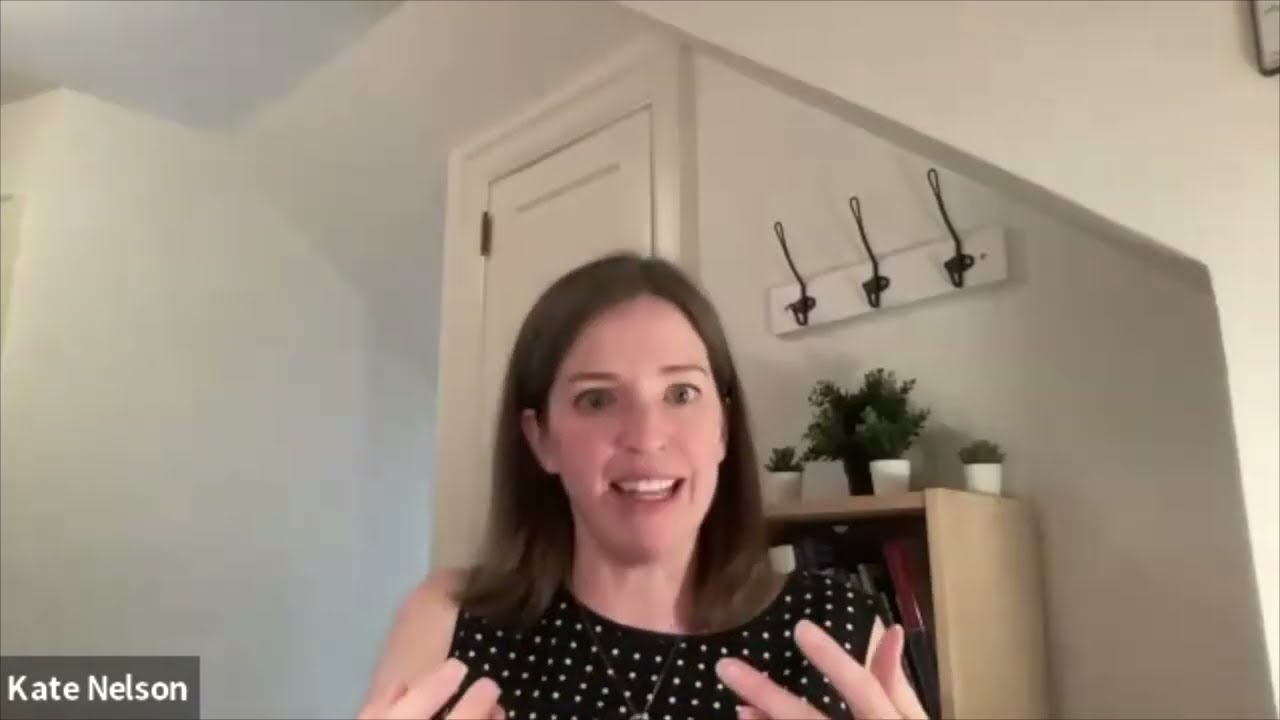
Physician Dr. Kate Nelson, who specializes in parental decision-making, offers concrete suggestions to parents who are worried they may make a wrong decision in the face of uncertainty: talk about what you do know now in this moment; are there situations that would NOT be acceptable to you? What are you going to do with the information you will get with a test?
Theme: Guilt and Regret
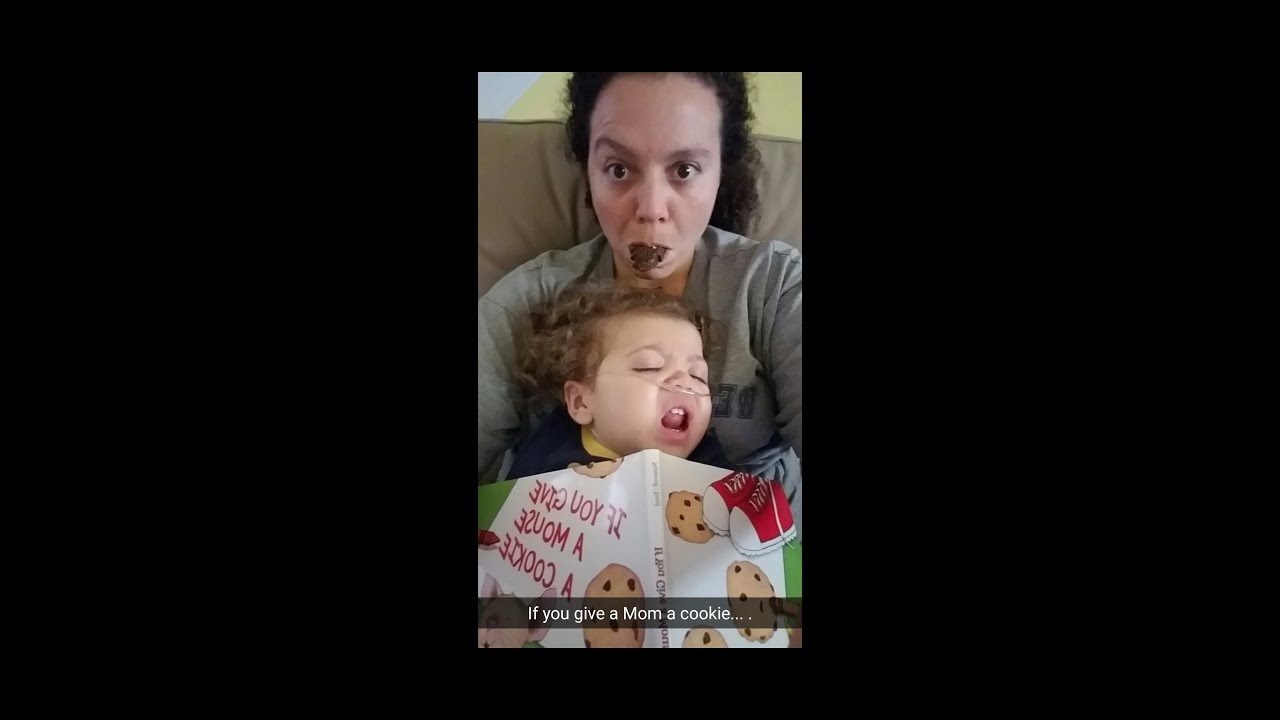
The mom of a boy who died of Krabbe Disease describes the small team of people she invited to his service: his pharmacist, his PT/OT people. “The people who saw us in our home setting.” She grieves the broader community of people he never got to meet but fights the regret and gives herself grace for keeping his world small.
Theme: Guilt and Regret
“Did you ever not just feel like you are more than one person? I was like Jackson’s mom is at home. Jackson’s advocate is here [in the hospital]. Jackson’s mom is a hot mess, and she has a foul mouth and a quick temper. And Jackson’s advocate [with the doctors] is professional, direct, and driven. And this is the person that serves him best.”
Theme: Guilt and Regret
I only had one Mother’s Day with all three of my children alive. I wish I could say something poetic and beautiful about it.
But I don’t remember anything from that day.
I had to look back through my photos to figure out what happened. My husband went back through his, too, because he also could not remember. I found pictures of my mom and I shopping for an outdoor rug for our back deck. He had photos of our medically-fragile baby, Viggo. For weekday care of Viggo, my mom and I worked in shifts. As a result, we hadn’t spent much time together outside of handing off caregiving duties since he came home from the NICU in February. Our family could not travel because Viggo was too fragile, so we decided to beautify the back porch. I can only guess that is why we went shopping at the hardware store together for Mother’s Day last year.
I should have known it was my only Mother’s Day with Viggo. In fact, I did sense this, but I couldn’t hold that thought in my consciousness because it was too heavy. And now here I am, wishing I had taken a photo of myself with my three children on that day. And now here I am, telling myself that it was JUST A DAY, it doesn’t mean anything, and we have plenty of photos from other days.
Judging myself for failing at Mother’s Day.
Judging myself for feeling bad about it.
This is the reality of grief after medical trauma. Trauma affects brain function in tangible ways, and for me, it means that there is so much of Viggo’s life that I don’t remember. Just this spring, I started to organize a 40th birthday party for a close friend, only to learn that she turned 40 last year, and that I had attended the party. Are the memories there, just locked away somewhere? Or were they never written?
This difficulty remembering complicates my grief. I don’t have any more chances. I don’t have any more Mother’s Days with Viggo. When I did have my chance, I was out of my mind with stress, trauma, love, worry, anticipatory grief, and the hypervigilance of caregiving for my baby while also trying to meet the needs of my older two children. I wish I could have been more present for all those moments. I wish I could remember.
The other day, I had a conversation with a stay-at-home mom of three. She described her high levels of anxiety in the early days of caring for her small children full-time. Like me, she also struggled to remember the “beautiful” moments, as multitasking without a break, anxiety, and isolation meant she was barely keeping it together for years.
While our experiences are so different–-some would say incomparable—I was comforted to hear the common threads of mom guilt and mom regret in her story. No matter how tragic, or perfect, our mothering looks from the outside, we can still be swallowed up by these two aspects of self-judgment. Mom guilt and mom regret are especially toxic for grieving mothers, because we have no more chances to redeem ourselves in our own eyes.
We would never shame our sister-mothers for being human and struggling in extremely challenging circumstances. We would never shame anyone for experiencing symptoms of PTSD. Yet we are not always so kind to ourselves. On Mother’s Day this year, my spiritual work was to recognize my guilt and regret as separate from my grief. While I will never stop grieving Viggo, I can stop feeling bad about being imperfect. I can give myself the compassion that I so freely give to others. I can ask for reassurance when I can’t dig myself out of my own dark hole. I can tell other mothers that they are doing an amazing job. I can remember that motherhood, like life, is messy and complicated.
________________________________________________________________________________________________________________
Ashley Waddell Tingstad is an estate planner in Ann Arbor, Michigan. She is the wife of a veteran and the mother of three. Her son, Viggo Rick, was born with a rare genetic condition and died at six months of age. Mothering and grieving Viggo has changed Ashley in the most profound ways. She is dedicated to helping families mitigate trauma and suffering in situations where there will be no “happy ending.” She writes about her journey here, at momherenow.com, and on Facebook @momherenow.
Theme: Guilt and Regret
A bereaved mother learns self-compassion in reflecting on decisions to keep her daughter alive for five months in the NICU, hoping and hoping she could eventually come home. “I get peace from realizing I would do the same thing all over again. … You don’t know what you don’t know. … There’s no blueprint on what is the right or wrong decision.”