Skip to content
Courageous Parents Network Logo

Search

Search entire library or by microsite

Click here for NeuroJourney resources

Theme: Bereavement: The Grief Experience

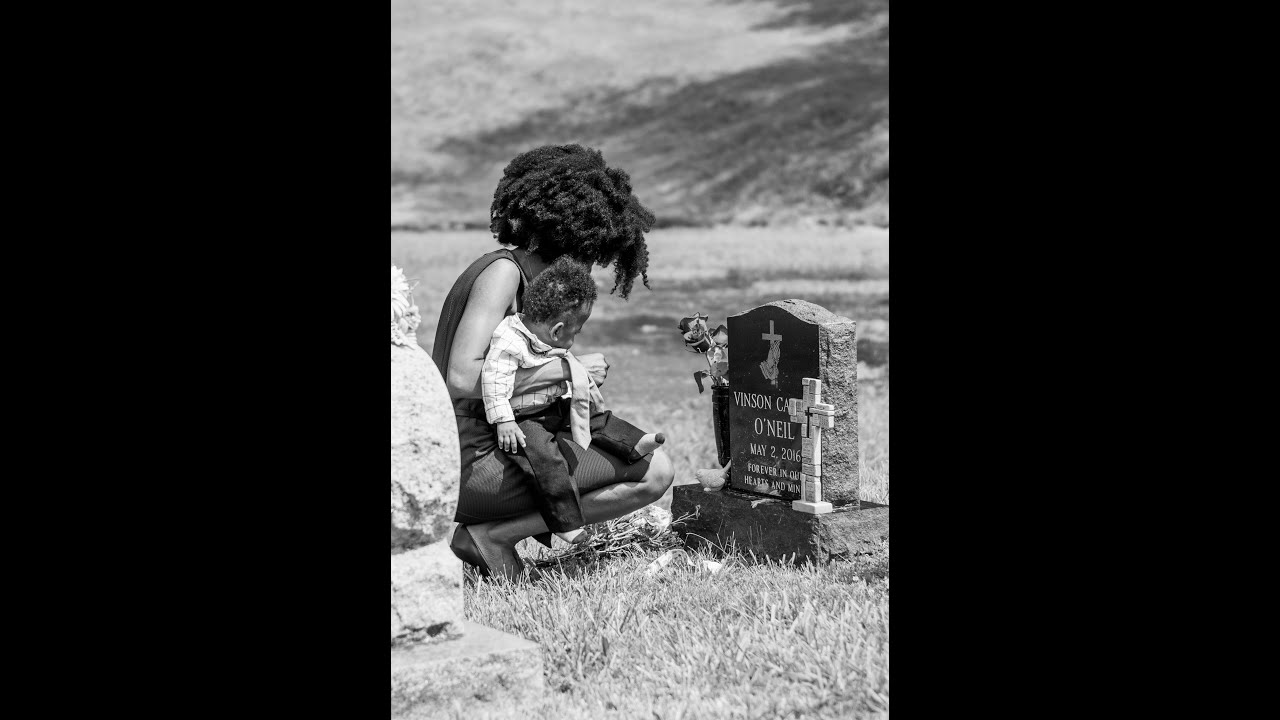
Ashley’s experienced the death of her first baby shortly after birth, then her husband shortly after the birth of their second child Kolin. Kolin is very medically complex. She describes her journey with grief and how it has felt to be her. “I had to figure it out. I try to use my journey to show others they can do hard things. You can do hard things while still grieving. I still have moments that are like What the Hell?”

Theme: Bereavement: The Grief Experience

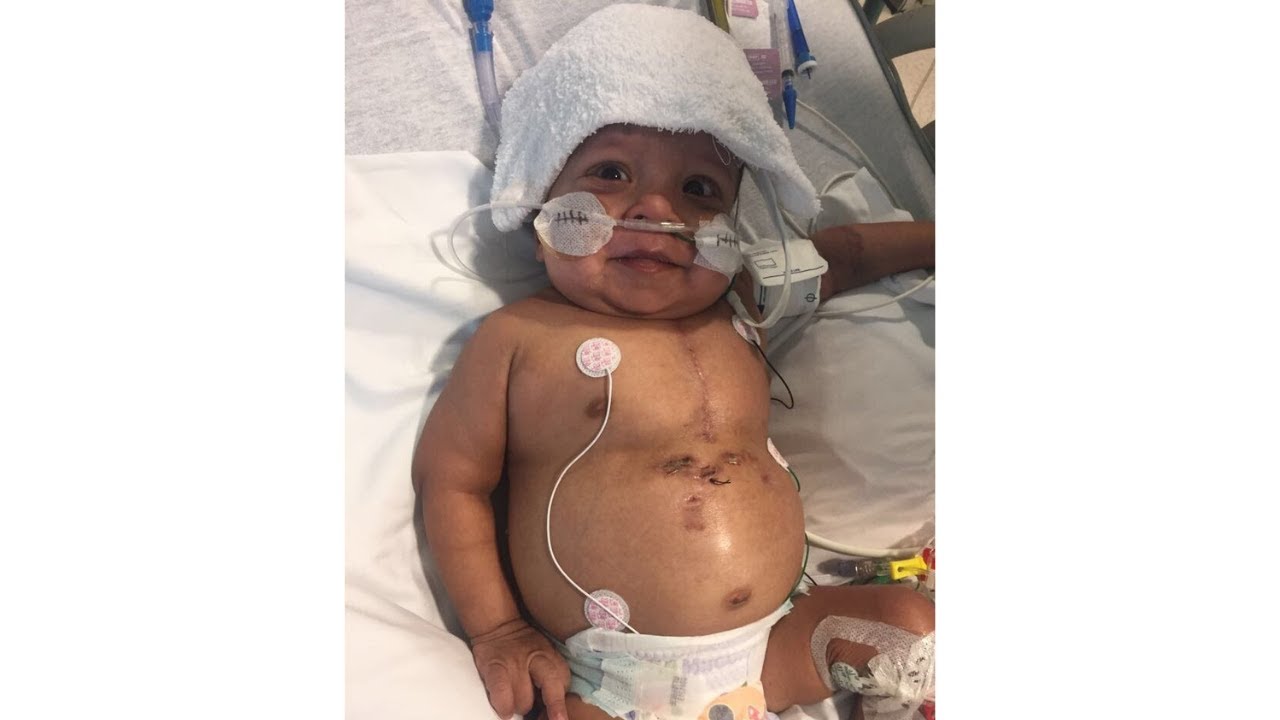
On the night my son is born, he is whisked away by ambulance to Children’s Healthcare of Atlanta five miles east. We are in two separate hospitals. My son is with his father, in the Cardiac Intensive Care Unit. When our son is admitted to the new hospital, the protocol dictates he have a name. However, it isn’t until the next day, at my discharge from the birthing hospital that we legally name our second son Cortland Richard Carmona, Jr. or, CJ, after his father. But, at this point, it’s too late. The hospital has given him a name:

Babyboy.

This is the same baby boy who has several medical anomalies: who becomes a living textbook for the providers seeing the anomalies in real time, in real life. He is the same baby boy who is hooked up to machine after machine to stay alive.

I gaze down at his miniature orange foot band and think, “How convenient for him to be a Babyboy. There is nothing personal, nothing human in simply naming him Babyboy.”

During doctor rounds, I hear “Babyboy Carmona. Hypoplastic” and the nurses cosign injections reading off “Babyboy”. And in the weeks that follow, medical bills for “Babyboy” flood our mailbox.

“Babyboy” is all around me fueling a fire of rage inside me. See, it takes some rage to be courageous. Love requires advocacy.

That baby in the incubator isn’t any baby boy. That is my son. His name is CJ. He is strong. He is brave. He is loved.

I interrupt doctors in rounds, correcting each “Babyboy” with CJ. I make a giant CJ sign and hang it in the entryway of his room, so everyone knows who lives here. I decorate his hospital room with family photos, art, and decorations with his name. I request a new hospital bracelet with CJ inscribed on it. I make my way through CJ’s chart permanently changing his name.

CJ becomes known. No longer “Babyboy” but our beautiful son courageously fighting for life.

Looking back, changing CJ’s name during his stay at Children’s was my first real act of courage as his parent. It took many conversations, small acts of advocacy, and the kindness of our care teams to make that one change. In the process, I quickly learned that loving my son meant speaking up and out when even the smallest detail wasn’t right. Eighty-four days in the hospital transformed our family into a powerful force of love and advocacy for CJ.

Our greatest act of advocacy came after working with the PACT team to find our voice and the words to say “enough” to his medical team and bring him home on pediatric hospice care. For us, it was the best (albeit the most painful, selfless, and heartbreaking) act of love and advocacy. CJ could be fully himself – no longer a living textbook – just my medically remarkable, second born son, CJ at home with his family where he always belonged.

For our family, quality of life was more important than the number of days he might stay alive in a hospital room. Ultimately, we did not want CJ to die in the hospital. We believed death offered peace to his suffering that no provider could bring. We had 15 beautiful days at home with CJ. He died at the end of May 2021.

In the days, weeks and months following CJ’s death, I lived in the aftermath of what all felt like a dream. Or, a nightmare. It seemed everything moved slower, time stopped, and our world stood still.

In the hospital, we were told by so many how selfless, brave, and courageous we were. It seemed to me we were making history. When I asked if there were other families I could connect with who made similar choices, there didn’t seem to be any they could connect me to.

I went on Facebook groups asking if other families had children on pediatric hospice care. Very few did. After feeling more alone and frustrated than ever, I finally found the Courageous Parents Network.

I couldn’t believe it! Here were other families thinking the same things I felt in the hospital. Here were the resources I didn’t even know I needed. Here were stories of families with other very sick children and of bereaved parents like me. Here my family belonged.

In the fall after CJ died, I had my first encounter meeting someone new; someone who did not know my family with CJ. When she asked how many children we had, I lied. I said one because I had only one living child. The guilt and grief that ensued from that conversation wrecked me. I turned to CPN.

I watched every video in the bereavement series. I saw firsthand how confident many of these bereaved parents spoke of their late children; the unabashed love pouring from my screen affirmed my own feelings. It was through CPN that I learned to always tell the truth: one person’s momentary discomfort is not your lifelong ache. 

I sent the videos to another friend who also experienced child loss. Together, we made a pact to always include our children – whether in conversations or Christmas cards. If I don’t talk about CJ, who will?

Because of this community, we will always include CJ in the tally of our children. This is the community that is brave enough to talk about the pain, the hurt, the loss. This is the Courageous Parents Network.


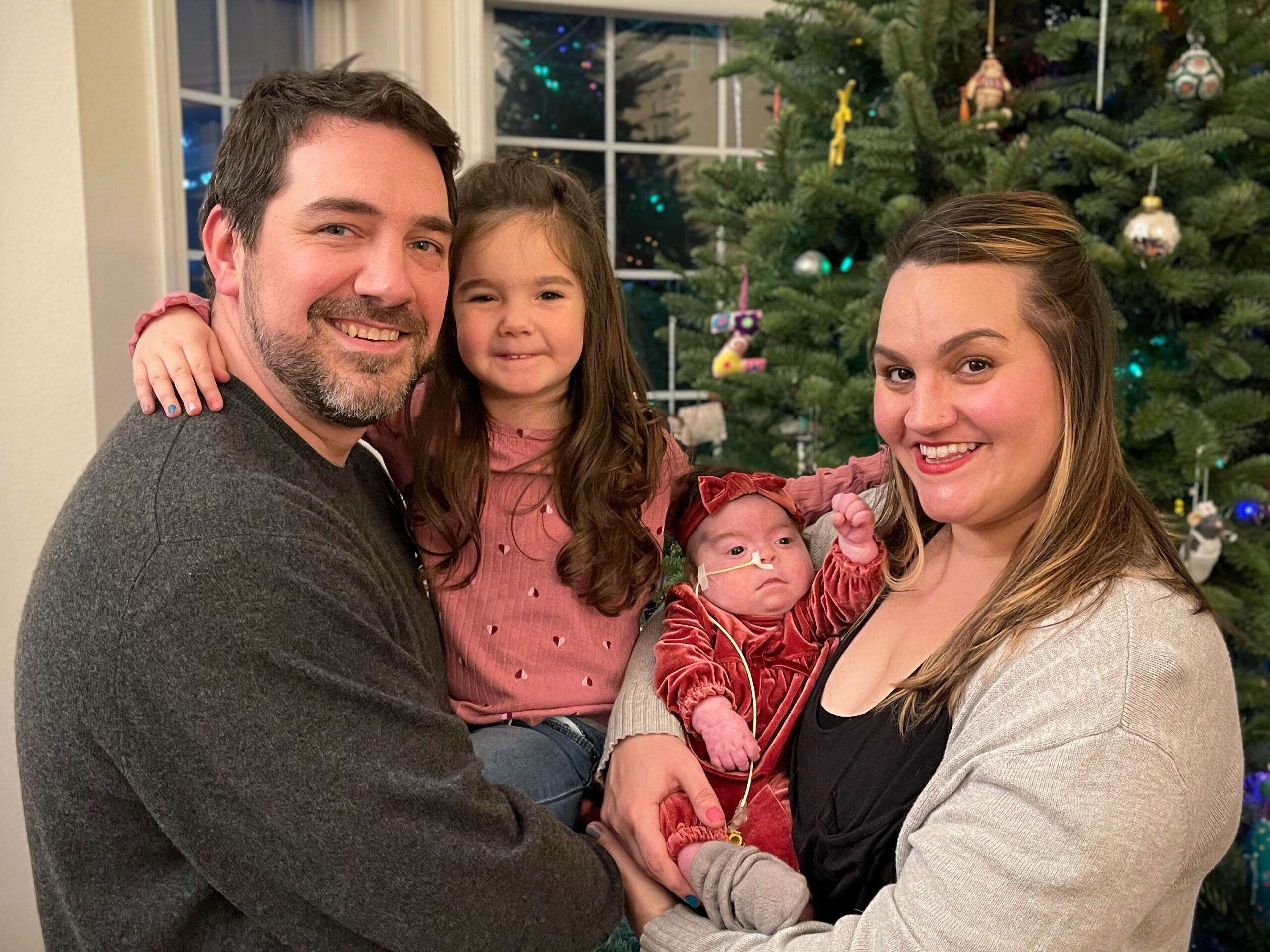
Kasey and Cortland Carmona of Atlanta, GA are the proud parents of two boys. Their first son, Teddy, was born in February 2020. Three months later, they found themselves pregnant with their second son, Cortland Richard Carmona, Jr. (CJ).  CJ was prenatally diagnosed with Hypoplastic Left Heart Syndrome, a congenital heart disease in which only half of the heart is formed. Unbeknownst to the family and care team, when CJ was born on February 15, 2021, he had many congenital anomalies affecting every body system. A genetic workup revealed Kabuki Syndrome, a rare syndrome caused by a gene deletion.

After 84 days in the hospital, the family worked with the Palliative Care team to bring CJ home on pediatric hospice care. In his 15 days at home, CJ experienced the best of life: stroller races with his big brother, piano serenades by his dad, morning snuggles in the sunshine with mom and a glorious homecoming party with extended family. CJ died on May 25, 2021. The Carmona family is forever grateful for the beautiful life and death of their son CJ.


Theme: Bereavement: The Grief Experience

Within this one page guide you will learn how over time, your grief (from the loss of your child) will stay much the same, but your life will begin to grow around it.

Theme: Bereavement: The Grief Experience

Grief is naturally a parent’s constant companion, from diagnosis – or lack thereof – onwards, including into bereavement. Psychologist Wendy Lichenthal, PhD is both a grief researcher and a clinician, with a particular expertise in the psychology of cancer for the patient and the family.

During this event, Wendy frames aspects of the grief experience and discusses using meaning and meaning-making to help with coping, regardless of diagnosis.

Theme: Bereavement: The Grief Experience

According to a variety of sources, like Mother’s Day, Father’s Day was established as a special opportunity to demonstrate respect and honor for the fathers in our lives, the work that they do, and the support that they provide well beyond anything financially.

I have been a father for 29 years, and throughout my journey have found that on Father’s Day, despite what TV commercials lead you to believe, I do not find myself excited about new ties, tools, or recliners.

It is true that a message of appreciation, gratitude and hopefully, a sense of love, is received from our children.  However, my greater focus is quite contrary to receiving anything material.  My sense of gratitude is amplified on Father’s Day.  In addition to appreciation for my own father, who I lost in 2022, I feel an incredible level of appreciation for the gift of my four children.  I think of each of them daily throughout the year; but on this special day, I cannot help but feel a richer sense of the gift that I have been given when they entered my life.  To hold them in my hands as they were born, to be a part of nurturing and teaching them, to pass down skills and knowledge acquired from my journey, parents, and mentors, to share experiences with them, to be a part of their daily lives as they grew from funny little ones to serious, curious, and thoughtful adults.  Each of them has been and continues to be a blessing and gift in my life.

Unfortunately, I believe that much of society – at least the commercial part –  diminishes the emotional connection that most fathers feel towards their children.  For many of us, we feel a deeply rooted bond to our children, and despite seemingly gritty exteriors or tepid emotional expressions, we love and cherish our children beyond what any words can adequately convey.  As we mature from boys to men and begin our fatherhood journeys, we shift from a “me” focus to a “them” perspective – anything for our children.  Beyond our daily efforts to provide, teach, and nurture, most fathers would sacrifice their lives for their children without hesitation.

So, understand, for those of us fathers that have lost a child, the pain that we feel daily is far deeper than what you are likely to see on our face or hear in our words.  Society expects men to mask their pain, process their grief quietly and in solitude, to step up and carry on.  While you will see us persevering, it is imperative to recognize that when a father loses a child a part of him dies as well, just as it does with the mother.  In addition to feeling the loss, we also carry a tremendous sense of guilt because we “failed” to protect our child -regardless of the circumstances.  As men, we fathers feel an innate sense that it is our absolute duty to shield and protect our children as they grow to adults.  When we lose them too soon in their life journey, we cannot help but feel like we have failed them.

Father’s Day 2024 marks 3 years, 3 months, and 16 days since I sat with my daughter Faith as she took her last breath just two weeks past her 18th birthday.   Despite the passage of time, there is not a day that goes by that I do not think of her, some days with smiles, most days with tears.

I cherish my four children and love to see my other three growing, finding their way through life with mistakes and successes, each of them embracing their own paths; and I wonder…

What would Faith be doing now?

Where would she be?

What challenges would she be facing, and experiences would she be having?

What would she look like as she continued to mature?

I am fortunate that I can continue to watch my other three live their lives and to be a small part of that occasionally; AND I miss the one, Faith, deeply. It is a constant sense of contradictory feelings — happy that your remaining children are thriving, while deeply saddened and aching for the one that has passed.  I continue to grow in how I carry my grief of losing Faith.  I accept that I am blessed with continuing to witness my other children move through life, and I will always miss her. There is no “getting used to it”, no moving past it, and time does not heal such a wound.

So, as you approach and celebrate Father’s Day each year, please remember that while a gift card to Home Depot may be swell, please also be generous with the thoughts, words, and feelings that you share with the varying fathers in your life.  Take the time to remember that their love for you as a child, or those children in your life, is very likely far greater than what you understand on the surface.  Know that beyond assembling toys, working long hours, coaching, or being Uber Dad, that man loves you or those children so deeply they would give their life to provide protection.  If the father you know has lost a child, remember that every day, and especially on Father’s Day, they carry a deep burning pain, wishing they could get that goofy Father’s Day card, a simple “Love you Dad” text, a warm hug, or butterfly kiss on the cheek from the one they lost.  Respect this weight that they carry and acknowledge it.

Theme: Bereavement: The Grief Experience

When you find out that you are pregnant, you do not think about the grief of mothering a sick child. You are filled with hopes and wishes of a bright future for the new life you are bringing into the world. You lean on those hopes even as the doctors tell you your child may not make it through the night. You lean on hope although every day is uncertain. You lean so much on hope that you do not realize you are on autopilot just trying to survive.

Trying to survive the realizations that your child will not be healthy and your hopes for your child have turned into grief. Dedication to survival overtake your feelings of grief as you immerse yourself into learning this new world of complex care needs, hospitalizations, medications, specialists, surgery, watching for and trying to run from death. Not only becoming a parent but a nurse, a medical assistant, a social worker, an advocate.

You realize that parenting a child with complex care needs alters your entire purpose, your being, your essence, parenting this vulnerable child has now become my purpose. A purpose beyond the expected ebbs and flows of parenthood. A purpose of surviving life and unwavering resilience.

You learn to cope each day learning more about this new world you did not know existed. This new world full of uncertainty full of worry full of “what do I do’s.” Yet also full of the magic of faith and miracles you would have never known. Each day you learn more about this amazing person you have come to know not only as your child but your greatest teacher, your comrade, your identity your purpose.

As the years go by you learn the complexities of care for another human who is the epitome of vulnerability yet the essence of strength and miracles. You see the world through the perspective of vulnerabilities and the fight for health and wellness. You seethe world through true quality of life.

Through the years, putting the needs of the one most vulnerable first has organically become the norm. The norms of night-watch, o-2 sat monitors, sleepless nights of epileptic episodes, OCD sanitation, chronic hospitalizations, and fits of beautiful chatter and giggles which I still believe were you and your guardian angel having the best conversations. I remember a time when I wondered if you would laugh… when I heard that first little chuckle it was the sweetest giggle I never want to forget. I became used to the norm of our dynamic unit and the acceptance of it just being us two.

Yet, as the years went by so did your life. The grief of realizing that your physical growth was not a good thing in fact it was damaging to your already vulnerable body. Your lungs your heart your bones. Your precious body could not handle your growth. Yet you smiled and gave me joy all while living in pain. A pain that on so many occasions I wished I prayed my heart cried wanting to take away. The pain of realizing that you were also holding on for me. You held on for me until you knew I would be better, that I would make it that I would keep surviving and eventually live. You held on until we were both so tired.

When you became tired and your body continued to shut down… my heart still yet held hope… Hope that I would have my son, my comrade, my greatest teacher just a while longer.

Over these years since you have been gone, I have had to realize that 15 years was long enough. Long enough to hear the giggle I once worried would never come. Long enough to learn what unconditional love is. Long enough to comprehend a world I would have never known. Fifteen years too long for you to live in pain. Long enough to remind me of the being I came to this world to be. You were my purpose but more importantly you reminded me of my purpose. That I do have purpose through all the pain.As much as my Soul hurt, broke, watching you leave, you were the foundation of my heart, and now I know you are the wind blowing a comforting breeze, the birds flying playfully through trees, the rainbows through every storm. You are the fireflies that illuminate the night and the blazing stars in the sky. You are the reminder of me, the one who taught me to live life purposefully and with meaning.

You were and always will be my De’.

Theme: Bereavement: The Grief Experience

In the rhythm of my year, Mother’s Day always falls within or slightly after Cameron Week – the period we spend recognizing her birthday (May 4, 1999) and the day she died (May 9, 2001). The timing has been particularly poignant this year because of the stages of my children and because of how considering each is making me feel.

In the true definition of the word, I am blessed with four children.

Taylor is my first child. She was four years old when Cameron died. She is now 27. She and her boyfriend are moving soon from being within easy driving distance to the other side of the country. This is a milestone in my life.

Cameron is my second child. She was born 25 years ago and died 23 years ago. This is a milestone in my life.

Eliza is my third child. She was 10 weeks old when Cameron died. She is now 23 and is graduating college. My responsibility to ensure that my two living children receive a good education – with a lot of help from grandparents – has been met. Eliza is fortunate to have an exciting job lined up, many many states away. This is a milestone in my life.

Courageous Parents Network is my fourth child. I founded it 13 years after Cameron’s death. CPN is now 10 years old and thriving. This is a milestone in my life.

Two of my children will be plane rides away.

One of my children flew away 23 years ago.

And my fourth child, CPN, is on the cusp of a great leap forward if I can lead it there.

I am so proud of my children. I am genuinely happy for them. I am lucky to say that the two living children are thriving; the changes in their lives are healthy and appropriate and hopeful.

I am also feeling really really sad; these milestones involve physical losses for me. The geography between me and Taylor and Eliza will require more planning and intention and time to see and hold them. The time differences will require more coordination for Facetime chats.

My grief is triggered and I make myself look at it and see it for what it is: the loss that comes with having to let go of the things I love most, whether it’s for good reasons or not. As Mary Oliver writes in In Blackwater Woods:

“To live in this world

you must be able
to do three things:
to love what is mortal;
to hold it

against your bones knowing
your own life depends on it;
and, when the time comes to let it go,
to let it go.”

The tears come and I see them as a symptom of what motherhood can look like at this age and stage – when our children are grown and flown and there is more change on the horizon.

A generous, wise and spiritual friend always sends a letter on May 9 to mark Cameron’s Anniversary. In this year’s letter, she included the poem “On Children” from The Prophet by Kahil Gibran.

“And a woman who held a babe against her bosom said, Speak to us of Children.
And he said:
Your children are not your children.
They are the sons and daughters of Life’s longing for itself.
They come through you but not from you,
And though they are with you yet they belong not to you.

     You may give them your love but not your thoughts,
For they have their own thoughts.
You may house their bodies but not their souls,
For their souls dwell in the house of tomorrow, which you cannot visit, not even in your dreams.
You may strive to be like them, but seek not to make them like you.
For life goes not backward nor tarries with yesterday.
You are the bows from which your children as living arrows are sent forth.
The archer sees the mark upon the path of the infinite, and He bends you with His might that His arrows may go swift and far.
Let your bending in the archer’s hand be for gladness;
For even as He loves the arrow that flies, so He loves also the bow that is stable.”

I have re-read this poem multiple times in the past few days.

My children are not my children. Their existence physically and spiritually are manifestations of Life at a level beyond time and space, and certainly beyond me.

I am simply the bow.

My job as the mother to my four children is to be stable.

This I can do.

**

(the photo associated with this blog is of a painting Frozen Pond by Karine Leger, that my husband Charlie and I recently bought. A good friend observed that he saw it as representing our children).

Theme: Bereavement: The Grief Experience

Dear Bereaved Parent, 

I see it in the way you looked when the news left you gasping for air. I feel it in the weight of your body as I catch you falling to your knees from the cruel reality of empty arms. I hear it in your desperate pleas, and breathless cries. It’s carried in the heaviness of your unrestrained tears. 

Grief – it’s a powerful and overwhelming emotion impossible to define. It’s the most painful kind of love, leaving you with a constant ache inside in your heart. I want you to know that you are so much more than this grief you are carrying. When I see you, I see so much more.  

I see the purest, and most beautiful form of unconditional love; one that knows no bounds. It is a love so strong that neither space nor time could ever separate it. You have so bravely created a space to transition from loving your child in their presence to loving them just as deeply in their absence, despite the pain this brings you.  

I see breathtaking faithfulness to hold space for hope, even in the darkest of days. A hope that continues to linger long after the spring flowers arrive. And, I see your incredible strength to embrace the shifts that same hope takes as it no longer looks to defy the inevitable, but rather transcend into the unknown.   

I see patience and grace despite the uncertainty and brutality of disease and death. And profound stoicism, waiting in the unknown – for hours, days, weeks, even months. Yet, you remained steadfast with gratitude for every moment you had together, no matter how exhausted and defeated you felt.   

I see immense kindness and selflessness as you bury your own needs away. You solely acted without expectations, consistently meeting the needs of others while facing the inconceivable. You rose again, every single morning to tread the tightrope of death and wrestle the same demons that left you so weary the night before.   

I see resilience within your eyes as courage rages through your body to face each day anew. When your spirit was broken, your heart was heavy, and your eyes were tired, you tenaciously kept advocating and fighting for your child – their hopes and dreams. And, you fought like hell for their freedom from pain and suffering.   

I see so much pride. And, you should be so proud! Your child is a warrior. And, you know what? They are really proud of you! And, so am I. You are a warrior, too. 

You are so much more than the grief that you carry. It has been my honor and privilege to witness all the beauty and goodness within you.   

I see you,  

Your child’s hospice and palliative care nurse

Theme: Bereavement: The Grief Experience

Theme: Bereavement: The Grief Experience

This was a discussion with Myra Sack, author of Fifty-Seven Fridays: Losing Our Daughter, Finding Our Way. Myra’s memoir honors her daughter Havi and chronicles their journey helping her live and die.

We explored:

While Havi is no longer here with us, there is hope that she will make the lives of others a bit gentler, a bit more beautiful, a bit more forgiving, a bit more generous.

“A good story is like a compass…It points to something universal, something unchanging, and it invites us to reflect and to move through the world a little differently.”

– Rachel Naomi Remen

Order Fifty-Seven Fridays here:

Theme: Bereavement: The Grief Experience

The streets near my home in Seattle are checkered with apple trees, and the smell of their fruit fills the air. Apples start to litter our sidewalks and streets in September, where they are crushed by kids racing bikes around the neighborhood. School is starting soon, and the air is filled with chatter and anticipation. 

The anticipation I feel smells more like dread. September holds reminders that I am not ready to face: of changes I was powerless to stop, of loss that I could not predict or control. If you have a child with a terminal disease, with no opportunity for treatment in their lifetime, you know this swirl of anticipation and dread. 

Last September was the final fall my son Lucas would experience, though we did not understand that at the time. Every day between now and the 1-year anniversary of his death in December holds complicated reminders of disease progression. 

Sometimes, walking through the house, I am transported back to last fall. The shoes I wore walked quickly then, driven by caregiving responsibilities. My mind reverberated with worry, terror, exhaustion, and love. On the evenings we made Lucas laugh, on the days family showed up to help, our relief and joy was profound. I can still feel the push-pull between what I wondered about his health, and what I wanted. I can feel the weight and comfort of Lucas in my arms. And then, in an instant, he’s gone. I rush to his room, frantic, but I only find my own grief. 

Then I’m pulled forward into this September, the one happening now. Lucas’ sister is calling me. She is a delightful five years old, exploding with energy, creativity, and curiosity. This month she starts kindergarten, and her anticipation is colored almost entirely by fear. 

At age five, a child’s understanding of death is opaque, not fully differentiated from separation. Since Lucas died, Sophia often panics when we are apart. In Costco last week, I walked a few feet away from the cart where she sat, searching for something in their enormous freezers. I heard her scream and rushed back across the aisle to pick her up from the cart, where she had dissolved into hysterical tears. As I crouched in the swirl of Costco, hugging and rocking her, I felt guilt, and frustration, and a bone-cracking sadness. Eventually we disentangled and finished our shopping, sticky with tears and sweat. This week, I answered her questions about when I am going to die with false confidence. I understand that her fears are an age appropriate response to Lucas’ death. 

Kindergarten arrives. We talk to the principal, counselor, and teachers. Her school welcomes us with grace and kindness. They amend schedules and routines to reduce anxiety, they share their own stories of grief.  We adults do all we can, and I know how fortunate she is to receive this thoughtful support. Still, my heart aches when I see how deeply she misses her brother, how changed she is by his death. 

Sophia informed me recently, with sadness and resignation, that she’s not a big sister anymore.  When I protest, she insists: “My baby brother died.” And then she falls silent, impervious to my attempts at comfort. I could not answer her plea last December to “bring my Lucas back.” I cannot make her see herself as a big sister today. 

We never required that she help with Lucas, but she took pride in caring for him. We marveled at how easily she found ways to include him in play, even as he lost abilities and she grew. In September last year, Lucas liked to lay on the floor and watch her bounce around the room. He couldn’t sit up on his own, so one afternoon, she invented a “peek-a-boo” game that worked from his vantage point on the floor. I can still hear his breathless laughter, mixed with her triumphant giggle. I can see exactly where he lay on our floor, his little arms waving with delight. 

It is easy to forget how deeply children grieve, because they don’t talk about it like adults. But they grieve as deeply as we do, and my daughter will carry grief with her forever. It will shift as she grows. I know it won’t always look like separation anxiety and sensory overwhelm. Someday she’ll understand death as permanent and distinct from separation. Someday she’ll ask more questions about Leigh Syndrome and mitochondrial disease, and I hope we can raise awareness and funding for a cure together. Someday she’ll tell her own story about Lucas, to whomever she chooses. It will always be her story. I only see it dimly, through the lens of being her mother. All I really know is that Lucas: his laughter, his presence, his absence — will be with her always. 

As I hug her goodbye on the first day of kindergarten, I simmer with my own emotions. Why must she navigate the rest of her life without her gregarious, smiling little brother to cheer for her and give her a hug? Why am I supporting my grieving daughter instead of advocating for my living son? Why are so many disabled children like Lucas left behind and excluded by their school districts, hamstrung by inadequate funding and policies? I kick the wood chips on her playground with disgust. I am angry. I am angry that Lucas is dead. 

I pause, and take a deep breath. I feel the tension rising in my chest, the ache of living at once in two Septembers. The one I wanted, and the one I am in. The one where Lucas was alive, and the one where he is dead. I know my task is to integrate these Septembers. I sift through memories and emotions. I hold him as close as I can, while I watch her change and grow. 

** For more on supporting grieving children, our family has appreciated resources from the Dougy Center and @child_life_grief_notes.  CPN also has many resources to support the sibling.

________________________________________________________________________________________________________________

Kim Gilsdorf writes, runs, and lives with her family in Seattle, the traditional land of the Duwamish people. She works for Perigee Fund, an organization dedicated to supporting early childhood mental health. Her favorite title is “Mama” to her two children, Lucas and Sophia. Lucas lived with and died from a rare disease, Leigh Syndrome, and his life has forever changed the meaning and purpose of hers. You can find Kim’s writing on Instagram at @kgilsdorf.

Theme: Bereavement: The Grief Experience

Before Lucas was born, before he was diagnosed with two rare diseases, and before he died, I was an amateur endurance runner. 

Endurance running was a gift. It required my focus, and released me from daily obligations. My mind and body carried me further than I had imagined possible. Across snowy glaciers and rocky moraines, hard climbs led to expansive views and moments of deep joy. 

I mostly put these pursuits to the side when I became a parent, though I still loved to take my daughter hiking. I ran short loops, close to home. The loops became even shorter and closer after my second child, Lucas, was born. By the time I felt like running again, I knew that something was seriously wrong with Lucas’ health. I was consumed by the effort to find out what was wrong, to help him stop vomiting, to figure out why he was so weak. When he was hospitalized for failure to thrive at 1 year old, and received a devastating, terminal diagnosis with no treatment, my focus on his care intensified. My husband and I wanted to help Lucas have the best life possible. We wanted him to enjoy his days. We wanted to make him laugh. Oh, how we loved his laugh! We wanted to minimize his suffering. Everything else faded out of sight. 

I still ran, mostly to keep from falling apart. Outside, my mind and body worked together in familiar rhythms. My focus was not on ascending mountains, but on the subjective experiences of Lucas and his big sister. Everything felt high stakes, and I was profoundly underprepared. On the runs, I would try to sort through complicated care decisions and emotions. Sometimes I just put one foot in front of the other. 

I remember one of these runs vividly. Lucas had been screaming inconsolably whenever I set him down or left his side, though he seemed mostly OK when I was with him. I couldn’t figure out what was wrong. And I couldn’t hold him all the time. I wasn’t just his mom, I was his caregiver. There were medication and formula changes to navigate, feeding tube routines to adjust, therapies at home and in the clinic, research to do, advocacy for his care, appointments that needed scheduled or moved up. I had another child, a husband, and a part-time job that all needed my attention and care. Tired and frustrated, I felt like I was failing everywhere. 

There was no time, but I sneaked out on a run anyway while Lucas napped, and my husband kept watch. I was looking for space to sort through symptoms and emotions. It was clear Lucas felt deeply upset when I wasn’t holding him, though other trusted caregivers could help. Looking back, I see now that his disease was progressing faster. He was losing strength and skills. Speaking was very difficult, so he couldn’t ask me to stay, or perhaps he felt like I wasn’t listening well. Either way, every temporary separation from his mama in the context of his inability to move or talk seemed devastating.

On that run, I realized that while I couldn’t take away the disease, I could do something. Even if it was very small. I decided at bedtime that night, I would focus on his experience of our relationship. I would work to connect with him, to make bedtime extra beautiful. I would help him to know that I cared about him deeply. I put aside the to-do list and messages waiting for a response. 

That night, I held him close, and read every one of his favorite books. As I read, I found myself weeping. Holding him on my lap, I wept for all the things I could not fix. I wept for his feelings of frustration, and for my own. I wept because I loved him so deeply, because he was perfect and beautiful, and because he was not going to be OK. I rested my cheek on his head and let my tears run into his hair. 

When we had read all the books, I cradled him like a little baby and kissed his cheeks until he smiled from ear to ear, just as I did every bedtime. I told him how much I loved him. I asked him to forgive my frustration. I can never know how much he understood, but his quiet presence and steady gaze told me that he loved me too. That I would always be his mama. That I could not fix this awful disease, but I could do something important. As I sang him to sleep, I felt grateful for the beauty of being present with him, even when it hurt. 

Lucas has been dead for five months now, a sentence that is excruciating to write and to live. I can never cradle him in my arms again, never ask in the same way for his love and forgiveness. I weep every day, but not into his soft hair. I can’t kiss his perfect cheeks. While I believe that a parent’s bond with their dead child continues, the devastation of his physical death is excruciating. He was only two and a half years old when he died. I feel robbed of time, desperate to have him back. 

I thought I knew a lot about endurance, but enduring the grief of Lucas’ death feels more like sitting in an active forest fire than going on a long mountain run. I try to stay present, amidst the heat and crackling branches and flames. Some days it is too painful, and I just close my eyes, willing the nightmare to end. I didn’t choose this. I might be learning something, but I really don’t care. I would give it all back in a second if I could hold my son again. 

A few weeks ago, family and friends included me in a trail relay race in the mountains. I didn’t want to leave home, where Lucas feels closest. But I was signed up for Team Lucas, named in his honor. We made the drive. I started my leg under the blazing sun, my 5 year old daughter waving a little sign with Lucas’ face to cheer me on. 

Out on the trail, I felt relieved when the physical effort quieted my churning brain. When the steep ascent mellowed into a meadow, one clear thought emerged. “I would give anything to be enduring another hospitalization with Lucas instead of being on this run.” The bargains with the universe that my brain invents are endless, as I try to find a way back to Lucas. This one felt ironic. Sometimes during hospitalizations, I would look out the windows, wishing Lucas and I could be outside on a run in his stroller. Neither of those wishes can ever come true. 

As I ran, I wondered what another hospitalization would feel like for Lucas, if my bargain with the universe worked. His primary diagnosis was a mitochondrial disease called SURF1 Leigh Syndrome. (He also had a rare allergy disorder, Eosinophilic Esophagitis). The spectrum of how Leigh Syndrome presents varies widely across affected children, but it is a serious, terminal, neurological disorder. Many affected children die within two or three years. Like all mitochondrial diseases, it dramatically impacts energy. Your body cannot make the energy it needs, and as your body grows and requires more energy, symptoms often become worse. In short, living with Leigh Syndrome requires profound endurance, just to show up every day. It isn’t the kind of endurance activity that someone signs up to do. It is not fun or rewarding. It’s devastating. 

I thought about how Lucas showed up fully, every day. He would smile at me when I bathed him, delighted with the feeling of water, even if it were the third time that night and he was exhausted and dehydrated from vomiting. There were many nights he came joyfully to the dinner table in his adaptive chair, even when he could no longer eat by mouth. He always wanted to be included, and we wanted him with us too. In his last months, he kept his eyes wide open when they struggled to focus, determined not to miss a single thing. He always tried to lift his arms for a hug, even when his tremors were so pronounced that he wobbled and collapsed. 

I’ve always thought of endurance as a dance between your body and mind. But showing up every day in the midst of something you did not choose, also requires a lot of heart. 


Dear Lucas, 

I love you forever. Thank you for your beautiful heart. Thank you for being so present with us in your life. You told us what you needed so clearly, and when I listened, we grew closer. I’ll always be grateful for the way you drew people to you, mostly without saying a word. Your laughter and dimples, the weight of holding you, reverberates in every cell of my body. Being your mother is forever my journey. It brings expansive views. The very deepest sorrows and joys. 

Love,  Mama 

________________________________________________________________________________________________________________

Kim Gilsdorf writes, runs, and lives with her family in Seattle, the traditional land of the Duwamish people. She works as a Program Officer for Perigee Fund, an organization dedicated to supporting early childhood and parent mental health. Her favorite title is “Mama” to her two children, Lucas and Sophia. Lucas lived with and died from a rare disease, Leigh Syndrome. His life has forever changed the meaning and purpose of hers. You can find Kim on Instagram at @kgilsdorf.