

 English
 العربية
 简体中文
简体中文
 Français
 Português
 Español

Vision
Seeing involves several steps. When a person looks at an object, visual information travels through the primary visual pathways to the visual center at the back of the brain. There, features such as color, size, shape, and depth are processed, and the information is then sent to other areas of the brain for further interpretation and recognition. This coordinated processing allows a person to understand what they are seeing. Visual impairments fall into two main categories: ocular visual impairment and cerebral/cortical visual impairment (CVI). Ocular visual impairment results from problems with structures of the eye, such as the cornea, lens, retina, or optic nerve, and may be treated with glasses, medication, or surgery. In contrast, Cortical Visual Impairment (CVI) is a neurological condition in which the eyes function properly, but the brain has difficulty processing visual information.
Your Team:
A medical specialist in the diagnosis and treatment of disorders of the eye.
A specialist for visual symptoms or loss resulting from brain diseases.
A licensed, primary healthcare professional focusing on eye and vision health.
A specialist in the management and treatment of neurological conditions, or problems with the nervous system.
A licensed special education professional who provides direct or consultative instruction to students (birth to age 21) with blindness or low vision.
A certified professional who teaches individuals with visual impairments to travel safely, confidently, and independently in their environment.
A credentialed expert who evaluates, trains, and empowers individuals with visual impairments to use assistive technology for independence in education, employment, and daily life.
A therapist who treats through the therapeutic use of everyday activities. They help patients develop, recover, improve, as well as maintain the skills needed for daily living and working.
A medical specialist in the diagnosis and treatment of sleep disorders, often working with ENTs, Psychologists and Neurologists.
A specialist in the treatment of disease or injury by means of exercise to improve movement and manage pain.
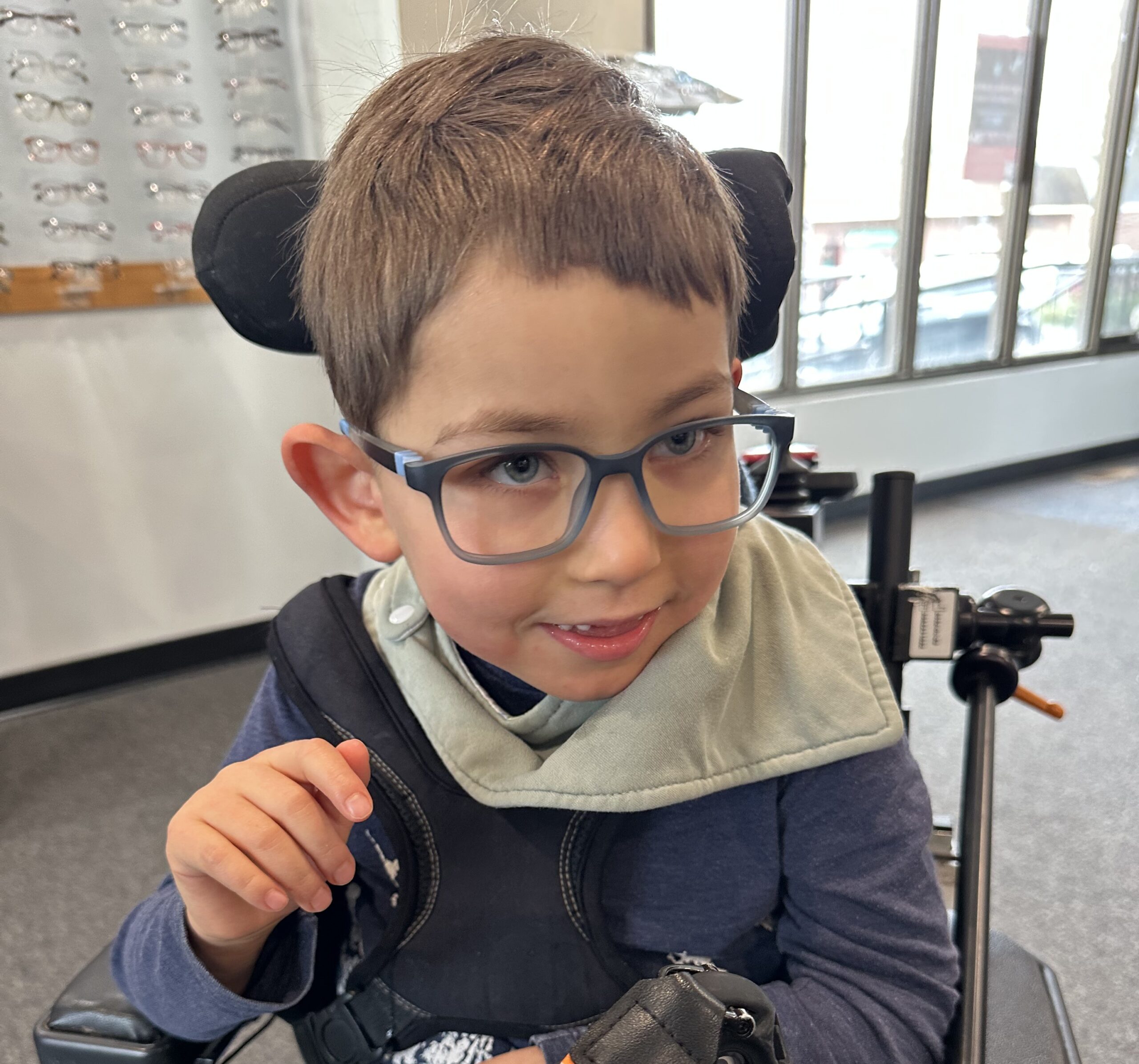
An ophthalmologist, neuro-ophthalmologist, or an optometrist who is highly knowledgeable about brain and eye disorders can diagnose your child with vision issues. A neurologist can diagnosis certain vision problems including Cerebral/Cortical visual impairment (CVI). Your child’s educational team may include a Teacher of Students with Visual Impairments (TVI), an Orientation and Mobility Specialist (O&M), and a Certified Assistive Technology Instructional Specialist (CATIS). Your child may also benefit from support from an occupational, speech or physical therapist.