

 English
 العربية
 Français
 Português
 Español

Sleep
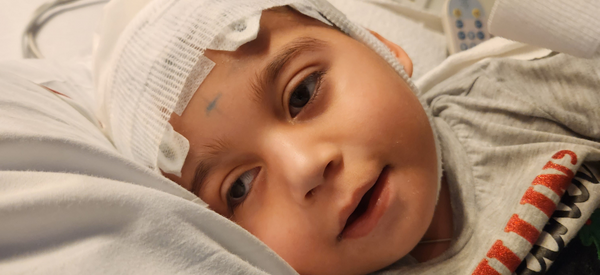
Children with SNI often have trouble falling asleep or staying asleep, or they sleep too much during the day. Sleep disruption can be a symptom of a physical problem; for example, obstructive sleep apnea or pain. Chronic sleep issues in children with SNI can also be a result of the brain’s improper regulation of sleep or, in some children, of seizure activity. Sleep problems can also be caused by medications. There are very few sleep treatment programs specifically developed or adapted for neurologically impaired children, but detecting and treating sleep problems may reduce the occurrence of other problems (such as seizures) and improve quality of life.
Your Team:
An interdisciplinary specialist who helps manage the medical, social and emotional challenges of complex and/or long-term care.
A specialist in the management and treatment of neurological conditions, or problems with the nervous system.
A medical specialist in the diagnosis and treatment of disorders of the eye.
A medical specialist in the diagnosis and treatment of diseases of the ear, nose and throat (ENT).
A specialist whose aim is to improve the quality of life of their patients over the course of their illness regardless of stage, by relieving pain and other symptoms of that illness.
A medical specialist in rehabilitation with the goal of restoring and enhancing functional ability and improving quality of life. See Orthotist
A medical professional who practices general medicine.
A medical specialist in the diagnosis and treatment of disorders of the respiratory system; the lungs and other organs associated with breathing.
A medical specialist in the diagnosis and treatment of sleep disorders, often working with ENTs, Psychologists and Neurologists.
Your child’s primary physician can assess causes and recommend interventions. An otolaryngologist (ENT) and/or pulmonologist will assess if issues in the ears, nose, throat or airway are affecting sleep. An ophthalmologist will consider your child’s light perception. A physical medicine and rehabilitation specialist will consider spasticity. A neurologist or sleep specialist can recommend medications and strategies. Complex care and palliative care clinicians can consider treatment strategies when sleep remains a chronic problem.