 English
 العربية
 Français
 Español

Obstructive Sleep Apnea
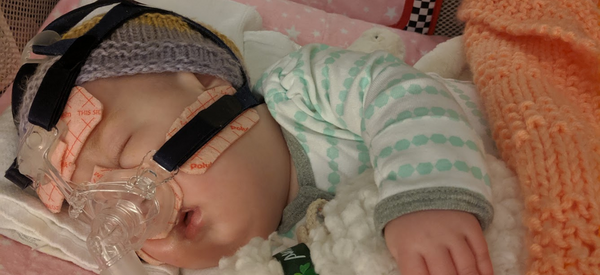
Children with SNI are at increased risk for obstructive sleep apnea, a condition that decreases airflow into the lungs during sleep. Apnea occurs when there is obstruction of the area from the back of the throat to the upper part of the windpipe. Obstructive sleep apnea causes repetitive breathing stops and starts, and intermittent waking that may result in excessive daytime sleepiness. The two most common treatments for obstructive sleep apnea are removal of tonsils and adenoids, and/or a CPAP or BiPAP medical device that delivers pressurized air through tubing into a mask worn during sleep.
Your Team:
A pediatric health care professional who works with children and families to help them cope with illness, injury and other medical experiences.
A medical specialist in the diagnosis and treatment of diseases of the ear, nose and throat (ENT).
A medical specialist in the diagnosis and treatment of disorders of the respiratory system; the lungs and other organs associated with breathing.
A medical specialist in the diagnosis and treatment of sleep disorders, often working with ENTs, Psychologists and Neurologists.
An otolaryngologist (ENT), sleep specialist and/or pulmonologist can assess for obstructive sleep apnea. A child-life specialist can help your child and family become comfortable with a CPAP or BiPap device. Many medical centers have units devoted to assessing sleep disorders.
What Your Child May Experience
If you and the medical team suspect obstructive sleep apnea, your child will be referred to an otolaryngologist (ENT). The specialist will take a history and examine your child for enlarged tonsils or adenoids. An overnight sleep study, called a polysomnogram, might be ordered. During this study the oxygen level and breathing pattern are recorded and later analyzed.
Sometimes removal of the tonsils and adenoids is recommended to improve sleep. Some children are treated with continuous or bilevel positive airway pressure through a small device–CPAP or BiPAP–that sends air at a higher pressure into the back of the throat to keep the airway open. This air flows through a tube and mask that is placed over your child’s nose, or nose and mouth.
Introducing the new device may take time and require experimentation with mask styles. There are several alternative masks and delivery systems that can be considered if the first version is not well tolerated. A child-life specialist will have tools to help your child adapt to the mask and will support you if you are having difficulty adjusting to this new reality. They can also talk with your other children about the new equipment.
For some children the discomfort caused by the CPAP or BiPAP may outweigh the benefits. Also consider that ongoing use of the mask may alter your child’s facial structure. You will be the best judge of whether a device is helping.