
 English
 العربية
 简体中文
简体中文
 Français
 Português
 Español

Irritability
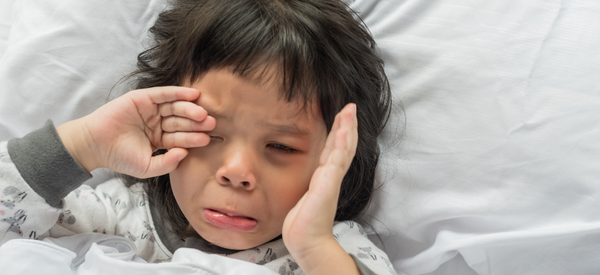
Irritability or agitation is the state of being unsettled and not calm, and is a signal of distress. Typical distress behaviors may include crying, grimacing, erratic limb movements, aggression, hyperactivity and decreased sleep. Irritability can be related to an acute illness or issue such as a toothache or ear infection, effects from medication, boredom or frustration. Neurological decline and dementia are also reasons for ongoing irritability.
Your Team:
An interdisciplinary specialist who helps manage the medical, social and emotional challenges of complex and/or long-term care.
A medical specialist in the evaluation, diagnosis, and treatment of pain. Also known as Pain Management Specialists.
A specialist whose aim is to improve the quality of life of their patients over the course of their illness regardless of stage, by relieving pain and other symptoms of that illness.
A medical professional who practices general medicine.
Your child’s primary physician can help assess for new problems when your child remains irritable and appears to be in pain. Complex care and palliative care clinicians bring expertise in causes of persistent pain from the altered nervous system, and can review treatment strategies for these problems. A pain specialist can diagnose and treat many different causes of pain.
What Your Child May Experience
You will become familiar with how your child indicates physical and emotional needs, though this may take some time. When your child is irritable you might notice a change in their facial expression and muscle tone. They may frown or grimace. They may become hot or cold. You may hear soft moaning or loud crying. They may exhibit aggressive behaviors, like biting or scratching or hitting. Your child may also develop unique behaviors that indicate that pain is the cause of the irritability. You will become familiar with these, just as a parent becomes familiar with how an infant’s different cries can indicate different needs. Consider the following when trying to assess the cause of irritability:
- Physical needs: hunger, soiled diaper, constipation or need to have a bowel movement, being too warm or cold, or need to be repositioned
- Emotional needs: boredom or a need for interaction, fear or uncertainty with a situation or new person, frustration, anxiety, depression
Irritability that continues may be due to acute or chronic pain, or possibly to anxiety or depression, depending on a child’s developmental level. For example, children at a developmental level of 9-12 months display anxiety with strangers, which can easily be soothed by a familiar caregiver. The inability to be soothed suggests another explanation. The neurological circuits for pain and mood are tightly related, so your palliative team or neurologist may suggest strategies to address any mood-related issues as well as pain. If your child expresses worry, or you sense worry in a nonverbal child, ask your clinicians for ideas.
Continued irritability may also be due to acute illness that might not have obvious or visible symptoms; for example, a bladder infection or a bladder that is unable to empty and is now too full. Dementia can cause or increase irritability. Effects from medication can also cause irritability, so let your medical team know if any medication was recently started or if a medication dose was increased.