
My older sister Heidi was born with microcephaly, a rare health condition. Doctors warned our parents that she may only live six years; however, she survived until she was 12 years old. She and I were less than two years apart, and we played closely together. From the time I could crawl, I helped care for her. My favorite place in our family was at her side.
Watching her decline over the final months of her life was devastating. My parents were open about her decline and did not hide the seriousness of it from me, which I think helped prepare me for the reality of what was to come.
She spent her final days in the hospital, moving between the Intensive Care Unit – where I couldn’t visit because I was only ten – and a regular hospital room. I wanted to be near her; so even when I couldn’t visit her, I asked to sit in the waiting room, and I drew pictures for her.
Each night as I fell asleep at home, I worried that I wouldn’t get the chance to sign, “I love you” to her one last time.
Finally, when it was clear there was nothing left to try, our parents brought my younger sister Mary and me to the hospital after school to say goodbye to Heidi. It was emotional and tearful with lots of hugs and lots of signing, “I love you.”
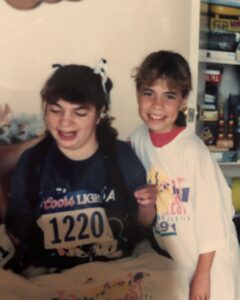 When the doctors took her off life support, nothing happened. She kept breathing on her own. After a while, my dad asked if we could take her home, and the medical team agreed. My parents had driven in two cars, and so I drove home with my dad and Heidi, my arm securely around her slight body, helping her sit upright in the seat beside me. Normally, she sat in her electric wheelchair in our big van. I relished the chance to sit beside her again after we’d been separated by beeping machines, tubes, cords, and ICU visiting rules.
When we arrived home, it was evening and we all helped ready Heidi for bed. I was able to sign, “I love you” and kiss her hand one more time. She died peacefully, in her own room, a few minutes after we left her.
It’s been almost 33 years since her passing, and I still feel her loss deeply. I write this on what would have been her 45th birthday, and I still ache with the pain of missing her.
My family remembers her on days like her birthday and anniversary of her death by watching a video slide show my dad made before she died and sharing memories and photos of her. When she died, one of my fears was that I might one day forget her. I don’t think I ever will.
Looking back, several things helped me cope with my sister’s death – things that may also help other families supporting children through a similar loss.
- My dad bought both me and Mary, who was almost 7 years old, a little photo album to fill with our favorite photos of Heidi. I still keep mine in my nightstand.
- An aunt and a neighbor each gave me journals to write in, and I did write often about Heidi. At first, I only wrote about her in my journals, but later, I wrote about her for some of my school assignments. When I was in seventh grade, a short story I wrote inspired by her won first place in a Los Angeles County writing competition. I continue to write about her as an adult.
- My parents let Mary and me pick a few of Heidi’s belongings to help us remember her. Two of my items are a piece of artwork she made for my birthday and a little golden locket. I still have and treasure them.
- For her funeral, my parents asked me to play the piano as people walked into the church for the service. I was nervous but I remember being proud to honor my sister in this way. Mary and I also drew pictures of Heidi to go on the funeral service program.
- My folks let me pick out the words and image that would go on her gravestone. She is buried where my grandparents lived in Utah. I
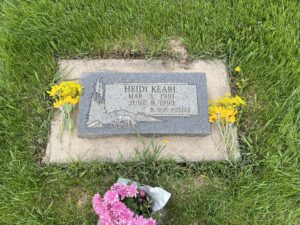 don’t get to visit often; but when I do, I take great pride in my part in helping remember and honor her in this way.
 - A few weeks before she died, I brought home an article from our Scholastic News that featured accessible playgrounds, which were relatively new in 1993. I hated seeing my sister left on the sidelines at playgrounds and I was so excited to show this article to my parents. We talked about how we could build an accessible swing or playground for Heidi, but then she died. In her honor, my parents worked with the Cincinnati Parks Department, near our home, to add accessible features to their waterfront playground. It took time and we moved away in the meantime, but we were able to come back and visit a few times. There was a plaque on the wall dedicating the playground to her. Twice I had work trips to Cincinnati in my young adulthood and made time to visit her playground.
- She died at the end of the school year; but when the new school year began, Mary and I planted a tree for her at a ceremony attended by Heidi’s classmates and our friends. The school staff also dedicated a brick to her on the walkway. At the end of the school year, the yearbook was dedicated to her, too.
On the flip side, one of the most challenging things that happened after Heidi’s death was that our family moved. My dad changed jobs and we relocated, away from the neighbors and school community that knew and loved her. We moved from Kentucky to California a few months after her death, and suddenly I was in a school and neighborhood where people did not know Heidi, or that I had lost a sister. When I tried to broach the topic of my sister with new friends, they wouldn’t know what to say and so I stopped saying anything for years. I felt I had to hide my sister and her death outside of our immediate and extended family because it made others feel uncomfortable.
When I met my now-spouse, Mark, in high school after my family moved to Virginia, he came to my house to work on a group project and asked about a picture of Heidi. When I told him who she was, he listened, asked questions, and was kind. His curiosity and empathy opened my heart to him, and we began dating in college.
When I see relatives or the few times when we visited neighbors in Kentucky who loved Heidi too, I can be my full self. They knew her, and they knew me with her. I can mention her whenever I want. I can ask them about their memories of her.
This evening after dinner, as I have on her birthday in prior years, I plan to show my two young children (one of whom has the middle name Heidi) photos of their aunt Heidi and share a few stories about her. They will grow up knowing that she is a part of our family and a part of my life. I will continue to keep her memory alive.
First son Vinson died shortly after birth. Son Kolin was born at 25 weeks. Her husband died shortly after. Kolin, now age 6, is non-verbal, complex and thriving in his own way.
Host of It’s a NICU World.
I know He can, but what if he doesn’t? I’ve lost hope yet have kept faith. I don’t have expectations. I’ve lost the ability to dream, let alone dream big. Things don’t make sense and from a Christian perspective I’ve been taught that it doesn’t have to make sense just trust the plan.
Know that God has a plan and purpose for your life (Jeremiah 29:11). Know that His ways are higher than your ways and His thoughts are higher than your thoughts (Isaiah 55:8-9). Know that He knew you before He formed you (Jeremiah 1:5). These are all scriptures that were taught to me, and that I learned to recite. They are scriptures that I’ve read and discussed in small groups and bible study; scriptures that I pondered, dissected, prayed, pleaded and cried over in my quiet time. I’ve witnessed and celebrated with friends and strangers when they received the physical healing that they’d been praying for. I have authentic joy for them, and yet there is a bit of sting to my heart because my prayers have gone unanswered, or have they?
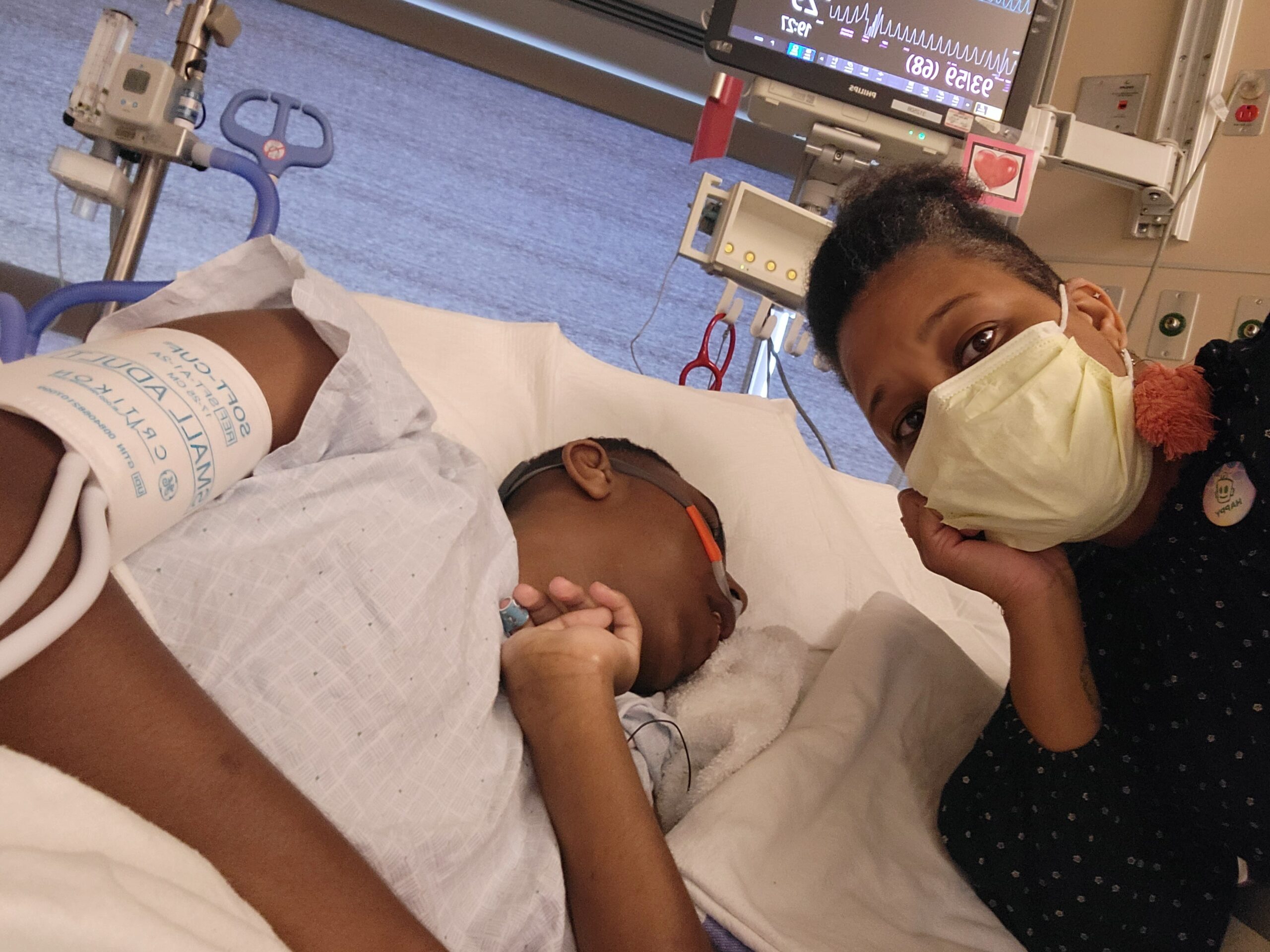 My son is nearly sixteen years old; I don’t pray for his healing anymore. I pray that God keeps him safe and healthy, for me to be able to always take care of him, and for him to be cared for as good as if not better than I cared for him should I die before he does. I pray for my son to have a good life for as long as he’s with me and that he has a painless death when his appointed time comes. My prayer doesn’t mean that I don’t believe in miracles or that God can’t heal my son completely. He absolutely can. I witness miracles regularly and still experience them in my own life. I have mustard seed faith (Luke 17:6), and I’ve chosen to make the best of the life that I’ve been given with my son, physical healing or not.
To be better, to be functional and to enjoy the life that I have, I focus on what I can control. Faith without work is dead (James 2:26). I air my grievances and frustrations. I lament. I remind myself that God knew me and my son before he formed us. He knows the plans he has for us; for us to prosper and not to be harmed (Jeremiah 29:11). I choose to see my miracle as people’s hearts and minds being changed by witnessing the love and life that my son and I live.
I’m challenged and annoyed when people stop me in public and want to pray for my son. I now ask “What do you want to pray for?” I’m sure I take offense because if my son didn’t have an apparent disability, they wouldn’t approach me. I’m challenged and angry which really just masks my hurts of living out the consequences of other’s actions. I’m confused with people, policies, and legislation that support pro-life, yet don’t support all life after birth as they do while in utero.
My faith is under fire. I come with more questions than I do answers, and that’s okay. We’re told to bring all of our burdens to Christ and He will give us rest (Mathew 11:28). My desire is to get to a place of rest: for my mind, body, heart and soul.
I wrote this while going through an extremely stressful time. Everything was hard, and I was having to handle things by myself. Everything is still hard, and I’m still having to handle things myself, yet I’ve learned how to reach out to those who can help me emotionally carry the weight. I have people who have the capacity to hold space for me, whether with my tears, crass jokes, or to just sit in silence. I have faith and it’s under fire.
“Pressure makes diamonds.” -George S. Patton Jr.
“If you don’t like something, change it. If you can’t change it, change your attitude.” -Maya Angelou
________________________________________________________________________________________________________________
Naomi D. Williams is a perfectly imperfect person on a mission to empower individuals and families to live their best life, now. As a Life Doula, she helps people navigate and process major life altering events. Naomi believes anyone and everyone can and should lead an exceptional life. She is the proud mother of a former 26-week preemie who lives with a host of diagnoses that fall under the primary umbrella of spastic quadriplegia cerebral palsy. She uses her and her son’s past and present experiences to inform and partner with healthcare systems as they live out the consequences of not being considered a valuable member of their care team. Naomi is the author of And God Remembered Noah: A mother’s heart-opening journey through 22 weeks in the NICU. When not advocating for her family or others, you can find Naomi getting lost exploring nature or taking a deep breath on her yoga mat. Find her at exceptionalliving101.org , Noahland.Art and on NC-d. com or Linked In
My son was born 14 weeks premature. The odds were not in his favor, yet he’s proven that he’s an underdog to bet on. During his five-month stay between two neonatal intensive care units (NICU), I had many necessary yet hard and uncomfortable conversations with his care teams. I thought those would stop once we got home. I thought we were on our merry way to live our best life; but we were met with a barrage of soul-stealing and dream-crushing encounters. Each visit was an onslaught of apathetic and defeatist expectations. I understood the gravity of injuries sustained before, during and after his birth. I understood that I couldn’t change what had happened, but I could control how I interacted and loved him for however long he lived.
The purpose of this piece is two-fold. For providers, it is to offer context of the impact of your words and offer suggestions on how to maintain the integrity and severity of the present reality while using loving and compassionate language. For parents, it is to let those who find themselves in a similar situation know that you aren’t alone. Here are ways to embrace hard-to-process decisions, acknowledge your grief, and how to find joy through the journey.
Fair Warning: This piece will include terms that I heard during my journey as both a parent and a professional in the field. I have intentionally kept these words in this piece. I did this so we can: (1) get comfortable with the uncomfortable; (2) confront and begin to address personal biases; and (3) see or move beyond the negative and get to the business of making the most of the life and time that we have.
Love Unconditionally
I was a first-time mom, with a micro preemie who would have a long, challenging life ahead of him. Many follow-up appointments were met with “he’s so sick” or “he is failure to thrive” or “he’s neurologically devastated, he’ll never walk so we won’t fix his hips” or “he’s going to be mentally retarded and not able to do anything.”
While I appreciate candid conversations, a minor shift could have helped heal my hurts and lessen my grief just a little. A simple “he’s yours and you love him no matter what” would have gone a long way. Even more helpful would be to hear, “His life is valuable and has meaning. It doesn’t matter how long or short of a time he is on this earth. It doesn’t matter how neurologically typical or neurologically devastated he is, his life matters. Love him not because of what he can do or who he’ll become, yet love him because he is your child.” or simply “Disability isn’t the end of the world. Disability doesn’t mean less than.”
I wish his providers had said those things. It doesn’t negate the prognosis; it humanizes my experience as a mother.
Live Fiercely
Disability can help you learn how to live life to the fullest. My son and I have done more things with and because of his disabilities than those without a disability.
Once a friend wanted to do something BIG with Noah – a four-day, 158-mile self-supported bike ride in Colorado – and I agreed! We had no idea what we were doing or how we were going to get it done, but we were committed to figuring it out. We had to ensure we all hydrated sufficiently a week before traveling. We had to navigate the airports and planes with all of our stuff. We had to watch for altitude sickness (I got it the worst and had to be taken down a few thousand feet so I could breathe). This is just a snippet of logistics. What came from the trip was life altering. We all grew personally. We met and worked with people who had never been around a person with disabilities. Noah drove for the first time. His participation enabled the Colorado Track-Chair Program to receive a grant to help others with limited mobility access the park in a safe and comfortable manner. It was life-changing for all of us. You can read about it from our friend, Helen’s recap and watch the short video.
When we were sent home from the NICU and met with a barrage of specialists for lifelong appointments, I wish his providers would have said, “Create and live your (his) best life. Live to the best of your ability and don’t let disability be your limiting factor. Yes, there will be limitations, yet there are so many opportunities available if you learn how to adapt.” I also wish they would have encouraged me and shared the importance of making memories. I wish they had said, “Make memories. Every day you have breath is a gift and an opportunity to do, be, see, say more than the day before. Take advantage of the gift of time as you don’t know when it will run out.”
Noah and I have had many misadventures and we loved each one (not always in that moment). We learn and grow with every activity we attempt.
Dare to Dream
I had many dreams of what life would be like raising my child. I daydreamed what sports he would play and how I would teach him how to ride a bike. I planned out playdates with my friends and their children. I explored cloth diapers, making all his food, and even began looking into homeschooling curriculum. I was excited to take him on hikes and experience exploring nature together.
Many of those dreams were dashed when I was told he’ll never walk, talk, crawl or run. He’ll lose the ability to eat by mouth. That I could expect that he’ll be vegetative. As hard as that was to hear and more importantly to accept, I was committed to giving my son the best life and experiences that I could.
That meant we would try things and just see what happened.
Noah did crawl (not long or far, but he did it). He did walk (never unassisted but became skilled and confident as he walked the hall at therapy). He’s ridden a bike (he hasn’t had one of his own yet due to cost). He’s driven a power wheelchair and track chair (in the mountains of Colorado). He beats me in bowling and has completed more endurance races than I can remember (triathlons, half and full marathons with the assistance of friends lending their legs). Noah has gone rock climbing, kayaking, horseback riding, zip lining and many other fun yet unexpected adventures.
Is it perfect? Yes, perfectly imperfect! There is no such thing as perfect. Perfection is unattainable and pleasure-stealing for those that pursue it.
I wish his providers had said to me, “If you can dream or think it, dare to believe it, You can create it to happen. It may not look like everyone else and that’s okay.” Really, that’s the beauty of it because we’re all unique.
Remember, if your child never tries, you know what the outcome will be, so what’s the harm in trying?
Advocate Unapologetically
You know your child best. You know their likes and dislikes. You know when they are happy, sad, content, or mad. You know when they are sick, well, and pretending to be one or the other. You know their quirks, nuances, and idiosyncrasies. You know your child, and what makes them unique. By knowing your child, you are their voice, until they can use their own. If you don’t speak up, who will? Providers do their best with the information that is presented, combined with their education and experiences. They are an expert in their field, and you are an expert of your child and family unit. Speak up so (and until) you and your child’s voice is heard.
Once it had been nearly 20 hours since Noah had been awake, alert, and active. This was not his norm. I took him to the emergency department, and he was admitted to the hospital. His health and demeanor continued to decline, yet it was overlooked because providers assumed this behavior was his baseline (due to his chart, diagnoses, and severity of medical complexity). I tried very hard to share and explain what baseline looked like for Noah and that there was something very wrong with him, despite me not knowing what was wrong. Thankfully a physician who was an active member of his specialist team, had cared for Noah for several years and knew what his baseline looked like, was assigned the case. With his help, we were able to identify one of the problems and begin to address it. What began as c.Diff morphed into toxic megacolon and septic shock in a span of 48 hours. It was a tumultuous hospitalization and experience. It was slow, yet Noah began to recover. His baseline attitude, demeanor, and infectious smile began to show up again. I captured him on video and began to show the team that initially cared for him at the beginning of this hospitalization. They were in total awe and disbelief that they were looking at the same kid.
I wish his providers had said to me, “Be assertive while remaining respectful. You are a vital member of the care team. You bring the story together and bring the whole picture into focus.”
Hope for the best yet prepare for the worst
As your child gets older, things may get harder if their condition doesn’t get better. Fortunately, or unfortunately, medical equipment has slowly been making its way back into our home. I’m thankful to have it and saddened that my son needs it. It’s a constant reminder to live a good life so we can have a good death. Remember to acknowledge and celebrate the inchstones that make up the milestones even if unrelated to a diagnosis.
As he was born 14 weeks early, I knew the odds of survival were not in my son’s favor. There were conversations and a little bit of (death) preparation during his first month of life. For kids born prematurely, you might be having these generic conversations regarding risk and outcomes when various surgeries are scheduled. I wish my care team and I would have had the hard conversations about what a good death means to us and what that looks like. I wish his providers would have said, “Let’s talk about allowing natural death (AND) instead of only a do not resuscitate order (DNR).”
This type of conversation allows for parents to make hard, yet loving decisions.
Be prepared for the normal even when everything is so different
Doctors repeatedly told me what my son wouldn’t do. He won’t crawl, walk, or talk. He’ll lose the ability to eat and swallow safely. He will be mentally retarded and be unable to learn. With this type of message reiterated for years, why on earth would I believe that we’d ever reach puberty, let alone transition through it? Specialists who cared for my son ask, “How is Noah?” and we have general conversation. I give brief updates on his most recent or upcoming adventure. But before letting them go I’ll say “You told me everything not to expect, you didn’t tell me about tents in pants. I’m having a hard time with this.” I usually get a blank stare and then the light bulb goes off, releasing a grin or a burst of laughter. I wish his providers would have said, “Even as so much of Noah’s life is different, he is still a boy, and he might experience some of the things other boys do.” I wish that when I brought up these typical things, the clinicians were courageous enough to provide guidance.
This would have prepared me for some typical experiences any other parent faces.
Listen carefully because sometimes the advice is there
I received two pieces of advice that have been my lifeline. Early on in our NICU journey, a nurse said, “Grieve your expectations. Grieve what you thought would be so you can enjoy what you have.” Although I didn’t fully grasp what she meant at the time, life events have described and defined the meaning. Those words have served me well over the years. I’ve learned how to acknowledge the feelings that come with the losses, while giving gratitude for the inchstones that make up the milestones.
“Find joy through the journey” was the other piece of advice given to me by the neonatologist that delivered my son. The first few months of my son’s life were riddled with life-altering events and conversations. Knowing the road would be a long, arduous, and emotionally charged one, this doctor gave me a gift. He planted the seed that happiness is a choice and something that I had control over. The trajectory of my son’s life was likely to be hard, frustrating, and sad, but I had the opportunity and choice to decide what I focused on. I opted to look at our time together as taking the scenic route to our destination. We would and continue to embrace the bends in the road (setbacks) and we wait with anticipation and expectation for the things that we’ll see and experience that wouldn’t be found had the direct route been taken.
Please hear me when I say disability isn’t the end of the world. Yes, it’s different. Yes, it can be lonely. Yes, it’s challenging, but so is life. The attitude and outlook you have greatly influences the journey and outcome. Prognosis isn’t synonymous with quality of life.
I wish providers would have told me that.
Hear more from Naomi by viewing her video interview.
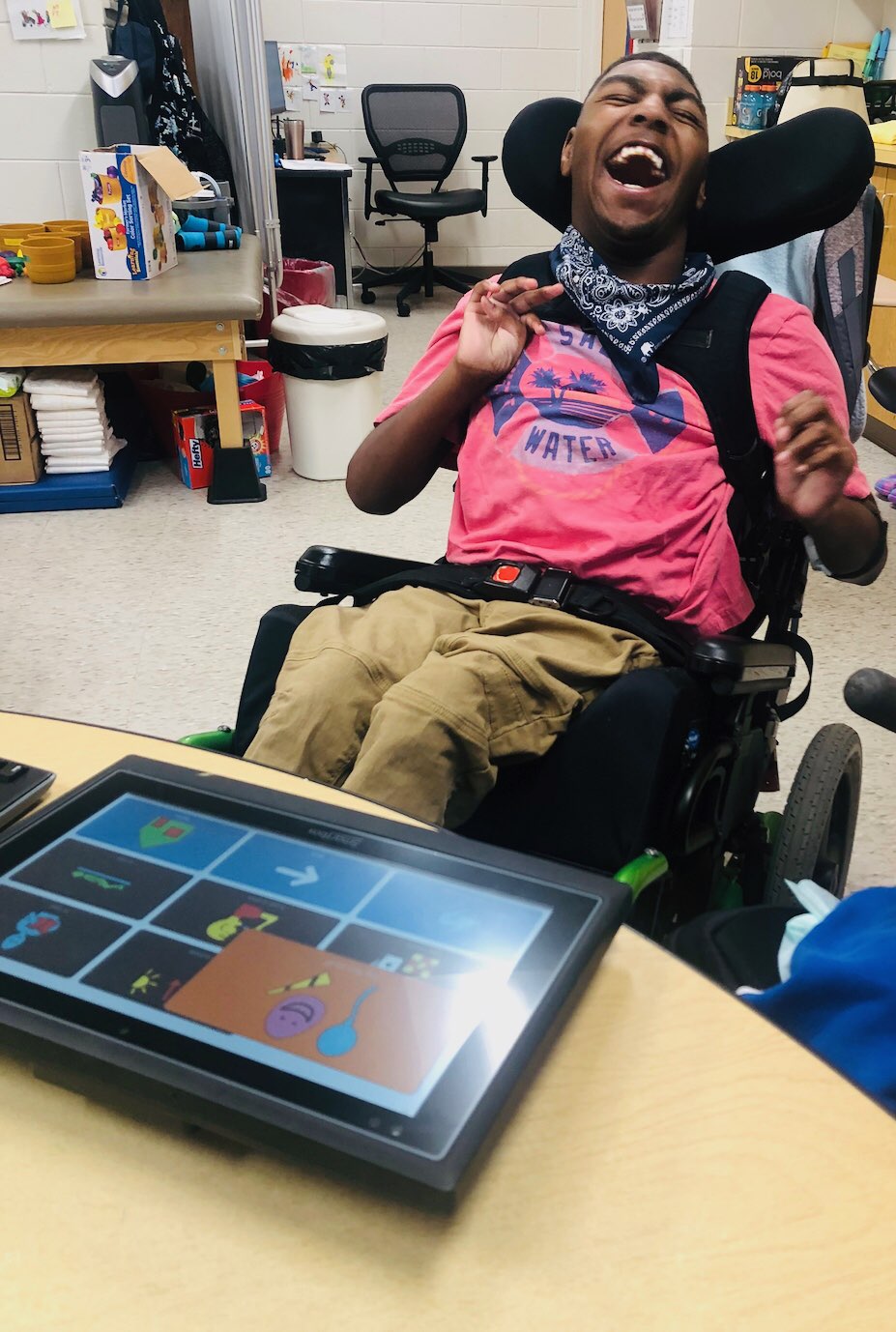 I’m sharing the things that have worked for me. I’m sharing the things that I’ve discovered work for me for not only my son to have a successful school year, but for his teachers, the team and myself as well to have a good year as well. I write this as a mom of a 15-year-old who is in the eighth grade and who has repeated every grade except pre-K (He would have had I known that was an option). I write this as a mom of a child who experienced neglect in the classroom resulting in harm. I write this as a mom who took legal action against the school district. I write this as a mom who is known as THAT mom, and it is a title that I proudly carry. I write this as a mom who not only wants my child to be successful but wants that for yours as well. This is the blueprint that I use for my family, son, teachers, and team to have successful school years. Some of these tips may work for your family, others may not.
This is the first year that I’ve not posted any pictures or had any rants about open house or the first day of school drop off or pick-up. Wondering why? Because we didn’t go! My son missed the first week of school due to our cross-country road trip! And I was completely okay with it. All of his supplies and everything that he needed were dropped off early, so he was set for the new school year whenever he arrived. There was no stress, anxiety, or frustrations. It was the best back to school experience I could have asked for.
Expectations
- What do you expect of your child?
- What do you expect of the teacher(s) and district?
- How do you convey these expectations?
Record Keeping
- If it’s not in writing, it didn’t happen.
- Follow up every meeting, phone call, hallway/classroom chat (if decisions were being discussed) with an email.
- If it’s not in writing it didn’t happen.
IEPs/504
- Take someone else with you, even if simply for moral support.
- Have your child participate in the meeting – part of it if not all of it.
- Know your rights (this should be given at EVERY IEP meeting).
- You can call a meeting any time during the year; it’s not limited to once a year.
Supplies
- Use the patient portal as much as possible to get physician signatures on med forms and plans of care (seizures, respiratory, etc.).
- Contact insurance or home health company and request double supplies (ie g-tube extensions) so there is a set in the classroom. Pharmacy: ask for an extra bottle with the current label for school use. This cuts down on sharing meds between home and school.
Let Go
- Refer to your expectations.
- Know that bad things may happen.
- Accept that you can’t control everything and still expect growth and independence to happen (whatever independence looks like for your child).
Typical vs Normal
- Understand what your “normal” is and ask what “typically” happens in that grade. What field trips are there? What class presentations, plays, sports, etc.
- Ask and learn what activities and programs are available for your child in the school and the district.
- Attend your district’s board of education meetings to be better informed of the typical experiences and priorities of the district.
Open House/School Events
- Be cognizant of your stress level and what you can handle without losing your mind.
- If you absolutely want to have the experience, go at the very beginning or right before it’s over.
- I highly recommend scheduling a time to go a day before to avoid the inconsiderateness that ensues with the madness.
Ask questions
- Ask all the questions you have and repeat until you have answers that make sense to you.
- Know the chain of command or hierarchy in the school and district.
- Take notes and follow-up in writing. Refer to #2 Record Keeping
- ASK ALL the questions you have and repeat until you have answers that make sense to you.
Gather resources
- P2P USA – https://www.p2pusa.org/
- Parent mentor (many school districts have them).
- Learn or get a cheat sheet of the alphabet soup that accompanies receiving special education services.
- Think College – https://thinkcollege.net/
Create a support system
- Other parents.
- Previous teachers, therapists.
- Community based organizations and/or clubs.
Have other tips to offer or want to hear more about a certain tip? Reach out to me at connect@courageousparentsnetwork.org
________________________________________________________________________________________________________________
Naomi D. Williams is a perfectly imperfect person on a mission to empower individuals and families to live their best life, now. As a Life Doula, she helps people navigate and process major life altering events. Naomi believes anyone and everyone can and should lead an exceptional life. She is the proud mother of a former 26-week preemie who lives with a host of diagnoses that fall under the primary umbrella of spastic quadriplegia cerebral palsy. She uses her and her son’s past and present experiences to inform and partner with healthcare systems as they live out the consequences of not being considered a valuable member of their care team. Naomi is the author of And God Remembered Noah: A mother’s heart-opening journey through 22 weeks in the NICU. When not advocating for her family or others, you can find Naomi getting lost exploring nature or taking a deep breath on her yoga mat. Find her at exceptionalliving101.org , Noahland.Art and on LINC-d. com or Linked In
There have been plenty of days where I don’t want to do this anymore. I don’t want to be a caregiver. I secretly crave a typical life. I want the “normal.”
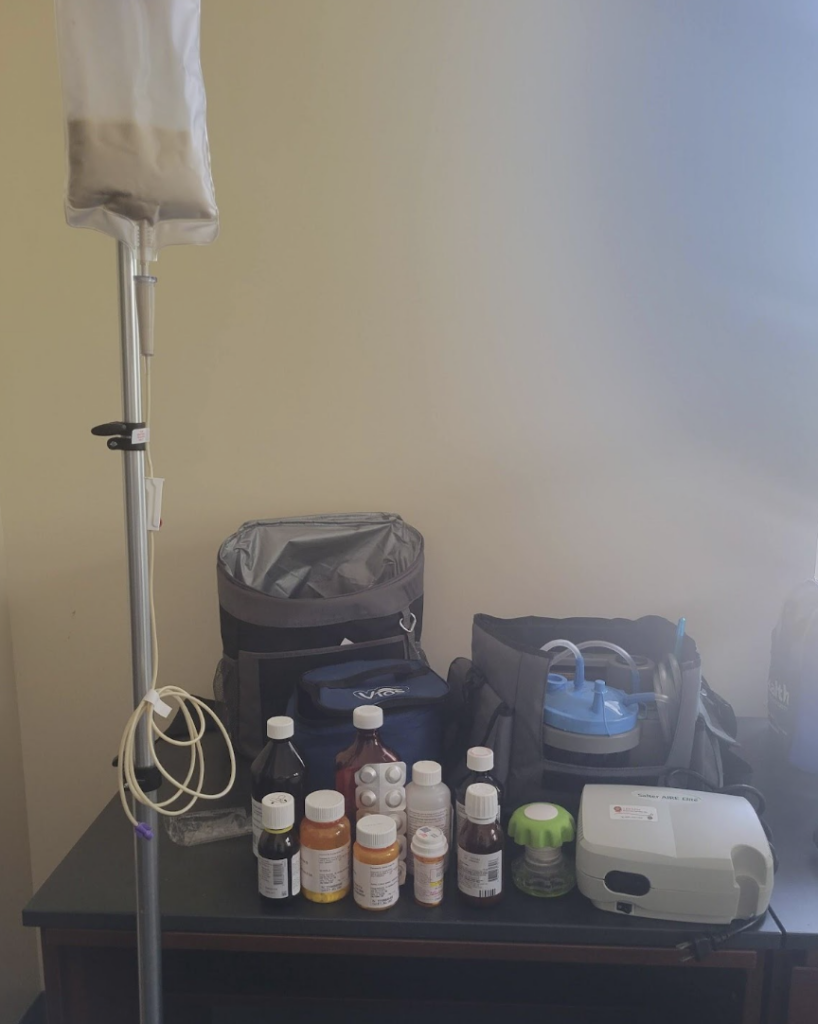
I’m tired of changing diapers. I’m tired of dealing with poop, mucus, and vomit. I’m tired of being held to a 3-4 hour schedule. I’m tired of doing this alone. I’m tired of being the one responsible for everything. I want the ability to run to a store solo or even with my child in tow, but without the confines of a wheelchair and all that it entails. I want to go away alone for a weekend, spontaneously. I want to visit friends and my son to be able to hangout with their kids instead of having to be next to me. I want to say yes when a friend calls last minute to invite me to a concert or for a massage. I want to hop in someone else’s car without hesitation. I want to get on a plane for a family vacation and easily rent a car. I want to send my kid to spend the summer with his grandparents. I want to hug my child with no barriers or concern for the wheelchair. I want to call the neighbor down the street and ask them to send my child home or ask if we can take turns watching the kids for parents night out. I want to dream about and plan to be an empty nester.
I want to plan and celebrate a college graduation, or watch my child fall in love, get married and begin his own parenting journey. I want to play with my grandchildren. But these are all dreams, desires, and wishes that will not come to fruition. I spent many days, nights, months and even years brooding over all of the losses carrying anger and bitterness for much longer than I should have. Refusing to let go, forgive, and live my best life now, I became physically sick and emotionally and mentally unwell. I didn’t and don’t want my child to get hurt or bear the brunt of my frustrations, especially over things that neither of us can control.
It is and has been an intentional decision to change how I view my situation, how I interact with and love my child, and how I create the best life for both of us. I’ve learned just how precious time is and to know our next breath isn’t guaranteed. Seeing tomorrow isn’t promised to us. I see and feel his health declining. In choosing to not resent my life I’ve had to find ways to make it meaningful, not just for him but for me as well. Knowing that our normal wasn’t typical, I’ve been determined to bring some typical things into our world of normal.
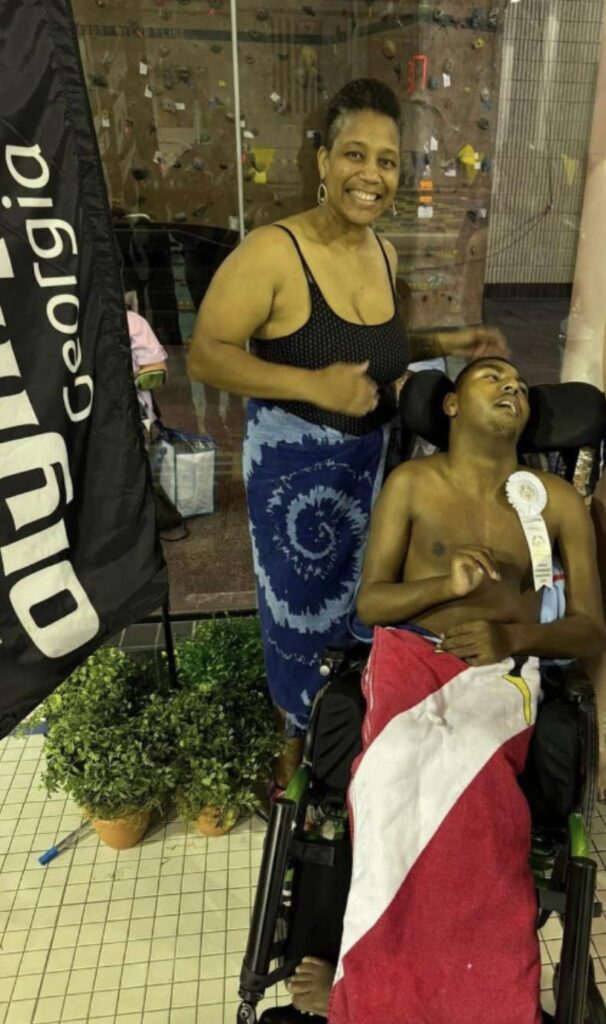
Identifying the things that bring me joy and mixing that with opportunities that I want for Noah is what has helped us go beyond surviving and into the land of thriving. Most recently, we’ve discovered and entered the world of Special Olympics. To me, the Special Olympics has always been a one day, school field day with various athletic stations for the kids in the special education classes.
What I discovered is that the Special Olympics is filled with meaningful events, and opportunities to meet new people, explore new sports, and have purposeful engagements with self and others – for the most dependent of people. Participating with one of our local Special Olympics chapters, Noah and I both have found a local, in-person community that we both desperately needed. With the support of the community, particularly involvement in our multi-endurance sports group, The Kyle Pease Foundation, we continue to have new experiences and phenomenal places to win emerge.
Alongside the Special Olympics, being active in the National Park Service’s Junior Ranger program has helped me quell any thoughts of resentment. Noah is a multi-endurance athlete completing numerous races including seven Marine Corps Marathons, four triathlons, and countless 5ks, 10ks, and half marathons. Noah has also earned over 45 Junior Ranger badges by visiting and completing activity books specific to national parks, monuments, battlefields, and historical sites..
I’ve learned to cherish the months, weeks, days, minutes, and even seconds. I’ve learned to state and delve into my fears and acknowledge all of my feelings. I’m learning to lean into this awkward place of “in between.” I’m living the life that I wanted (for the most part) it just didn’t develop or look how I expected. We have a life full of love and adventure.
Life is too short to live consumed with contempt, resentment, unforgiveness, fear or hopelessness.
Find or create, if you must, ways to feed your soul and nourish your familial desires.
Naomi D. Williams is a perfectly imperfect person on a mission to empower individuals and families to live their best life, now. As a Life Doula, she helps people navigate and process major life altering events. Naomi believes anyone and everyone can and should lead an exceptional life. She is the proud mother of a former 26-week preemie who lives with a host of diagnoses that fall under the primary umbrella of spastic quadriplegia cerebral palsy. She uses her and her son’s past and present experiences to inform and partner with healthcare systems as they live out the consequences of not being considered a valuable member of their care team. Naomi is the author of And God Remembered Noah: A mother’s heart-opening journey through 22 weeks in the NICU. When not advocating for her family or others, you can find Naomi getting lost exploring nature or taking a deep breath on her yoga mat. Find her at exceptionalliving101.org , Noahland.Art and on LINC-d. com or Linked In
I’m tired, a lot.
I forget, a lot.
I’m spacey and fragmented, a lot.
I’m sad.
I cry. My heart hurts, a lot.
I laugh.
I’m crass.
I’m sarcastic, a lot.
I’m a lot.
I lament, a lot.
I give, a lot.
I don’t sleep, a lot.
I eat unhealthy, a lot.
I have to reset, a lot.
I manage a lot.
I have to navigate a lot.
I no longer cuss a lot.
I’m a work in progress, as this is a lot.
There’s a lot going on.
There’s been a lot of loss in less than 12 months.
There’s a lot of loss on a daily basis.
There’s a lot of love to give.
There’s a lot of loss yet to come.
It’s a lot.
Life is unfair.
People are unaware and even mean.
I feel helpless and in despair, a lot.
I adventure a lot.
I explore a lot.
I ask Why a lot.
I’m intentional a lot.
I criticize myself a lot.
I praise you a lot.
I seek grounding and balance a lot.
A lot to gather,
A lot to prepare,
A lot to process,
Life is a lot and I have a lot more living to do.
A lot of people don’t get it because they don’t live it.
A lot of people ignore us because the messiness of this life makes them uncomfortable.
A message from Naomi about this poem
Sometimes when my therapist asks me how I am doing, I say, “I am.” In the past, I might have answered good, bad, tired, angry, overwhelmed, hurt, etc. However, I’ve hit a life phase where no word fully captures how I am or how I am feeling and all I can muster is “I am”. During this time, the phrase ‘a lot’ seemed to be on repeat, running around like a hamster on a wheel rent-free in my head.
During one of those moments where I was saying to myself ‘this is a lot,” I took the time to sit with the thought and really feel it. I began to write and feel all that was and is going on. Taking the time to connect with myself —to register all that I do, all that I carry, all that I have to listen to, all that I feel and try not to feel — enabled me to give myself grace. That empowered me to pat myself on the back, validate myself and say I’m doing a fantastic job. It also showed me that I have lots of reasons that I can’t keep it all together all the time. Sometimes, you have to step back and recognize your fragility in your strength, and give yourself flowers.
I really wrote this poem for myself. I want to share with you should you find yourself in a similar place. The poem is also something tangible that I can come back to when overwhelm begins to take over and I can’t see or feel any good. It’s a way to ground me by saying, “Yes, this is a lot, and you have the tools to get through this valley up to the next mountain top.”
________________________________________________________________________________________________________________
Naomi D. Williams is a perfectly imperfect person on a mission to empower individuals and families to live their best life, now. As a Life Doula, she helps people navigate and process major life altering events. Naomi believes anyone and everyone can and should lead an exceptional life. She is the proud mother of a former 26-week preemie who lives with a host of diagnoses that fall under the primary umbrella of spastic quadriplegia cerebral palsy. She uses her and her son’s past and present experiences to inform and partner with healthcare systems as they live out the consequences of not being considered a valuable member of their care team. Naomi is the author of And God Remembered Noah: A mother’s heart-opening journey through 22 weeks in the NICU. When not advocating for her family or others, you can find Naomi getting lost exploring nature or taking a deep breath on her yoga mat. Find her at exceptionalliving101.org , Noahland.Art and on NC-d. com or Linked In