Skip to content
Courageous Parents Network Logo

Search

Search entire library or by microsite

Click here for NeuroJourney resources

Theme: Clinical Trial: After Participation

In 2015, Courageous Mom, Melissa Hogan published a blog with The Mighty exploring her son Case’s participation in a clinical trial. In it she explores her early feelings of survivor’s guilt.  Her follow up blog for CPN explores how she feels some 5 years later.

Five years ago, I was in the midst of a painful season of survivor’s guilt. No, I didn’t survive a plane crash or house fire; it’s a little more complicated than that.

My son was surviving and thriving in the face of a terrible, terminal disease because he’d been receiving an experimental drug as part of a clinical trial. That’s cause for celebration, right?

But so many other children with the same disease were still dying. So many other parents that had become my friends, my lifeline, my people were still scheduling hospice nurses, planning funerals, and visiting graves.

So what do you do with that? How do you process that grief and guilt, also alongside still real concern over my own son’s future, which was still very much in limbo with an experimental drug?

What did I do? I poured myself into a foundation, Project Alive, with the goal of saving these kids. My philosophy was “To whom much is given, much is required.”

We’ve done incredible things – raising over $2 million, getting ready to open a gene therapy clinical trial, and moving the drug my son is on closer to FDA approval and availability to many other kids.

But drug development is slow. And nonprofits can’t move mountains quickly when you’re depending on donations. So, even with a laudable goal, and even with every ounce of effort I could give, and the efforts of so many others, I still watch kids suffer and families grieve.

At some point, the emotional, psychological, and physical effort came to its peak and I crashed. All I could give would never be enough. I also realized that I was sacrificing something real – time and involvement with my own family – in the efforts.

How do you balance love and love? Good and good? Yes and yes?

Not easily. But with the help of therapy, sleep, and faith, I’m learning.

Three years after that first post, I still feel the same love and desire to save all the boys with Hunter Syndrome. I still feel the same unfairness about the whole situation.

But I feel less guilt. And I feel less uncontrollably driven by guilt.

I’m recognizing my own need for self-care. I’m recognizing my family’s need for more attention.

Like all of us, I love my son. I love his (typical) brothers. And we’re all just doing the best we can to love our families well, whether or not we’re able to give our kids a long life, or a beautifully, heartbreakingly, short one.

And in the end, whatever that looks like has to be enough.

Theme: Clinical Trial: After Participation

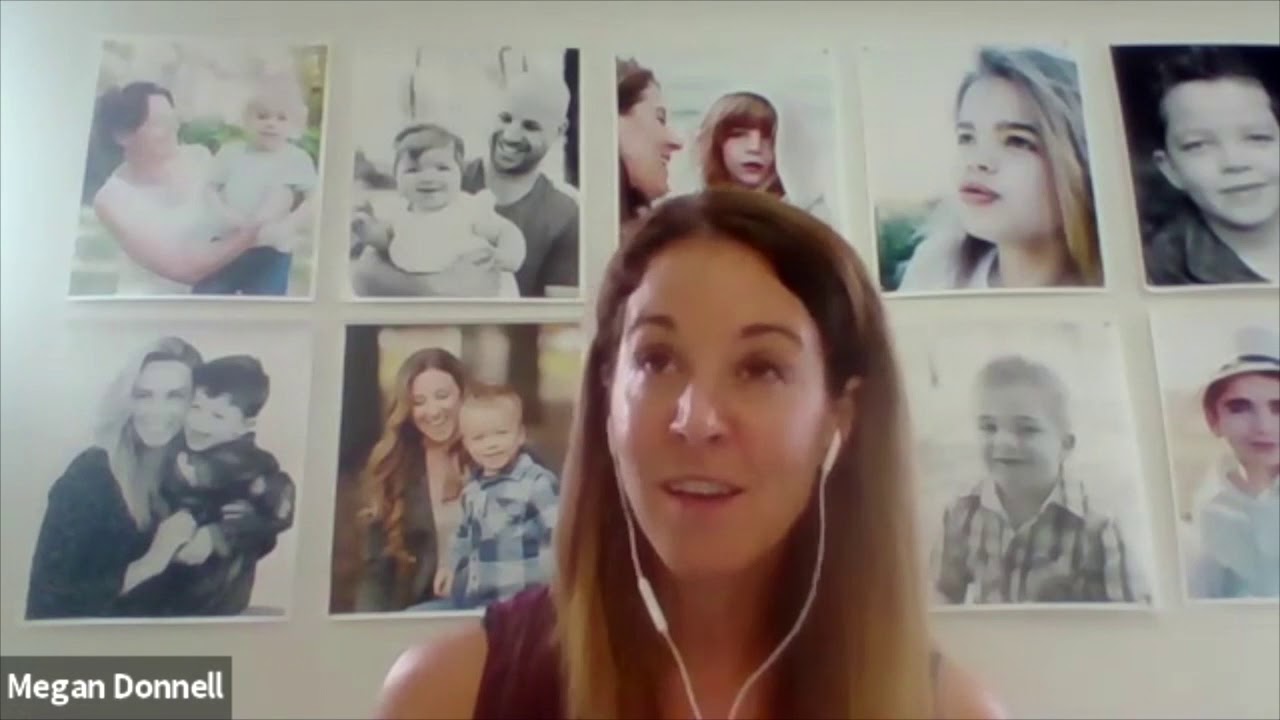
In this video, a mother of two sons with Duchenne Muscular Dystrophy talks about only one of her sons meeting the inclusion criteria and qualifying for the study as well as her naivety about how often timelines in studies change.  She explains a double-blind placebo study and how in her son’s study, all the participants began receiving the drug once evidence proved safety and efficacy. She talks about the FDA process and the importance of knowing the sponsors plan for the period of time between study completion and approval of the treatment.

Theme: Clinical Trial: After Participation

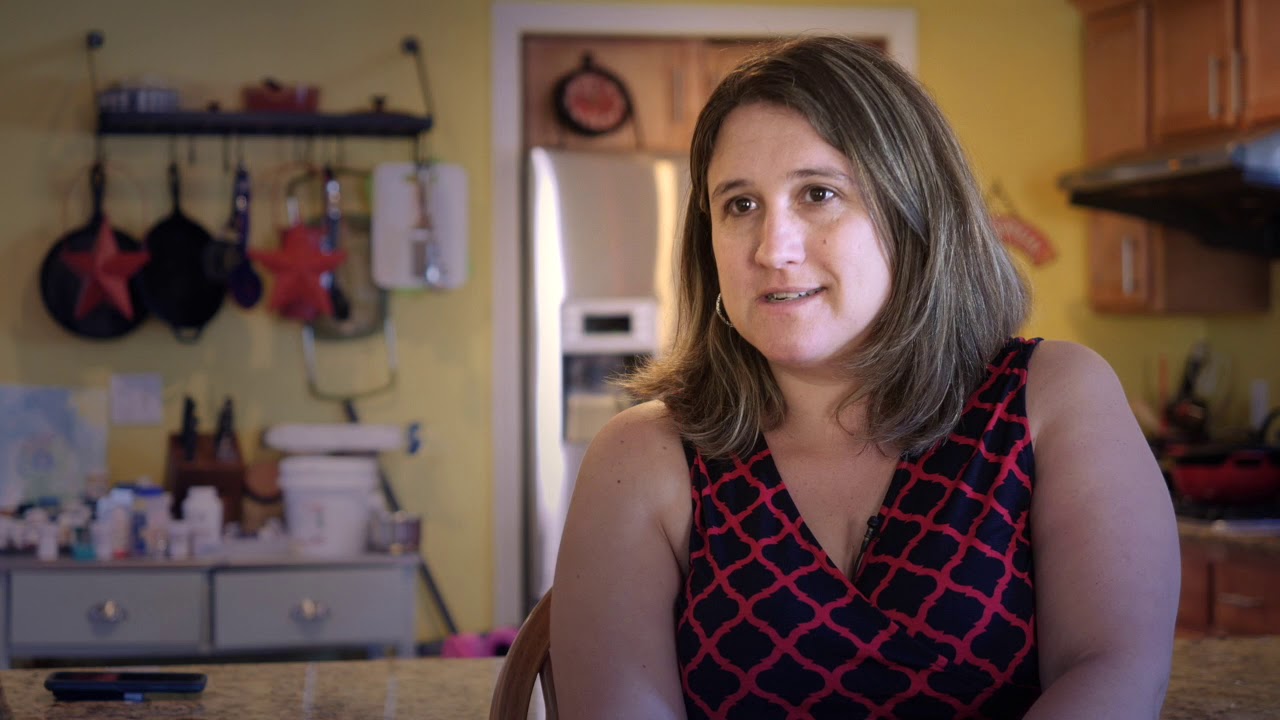
In this video, a mother talks about how when your child is in a clinical trial much of the information or data collected is not shared with the parents and how difficult it is to look at the reports the trial sponsor posts and wonder which data point represents your child.

Theme: Clinical Trial: After Participation

In this video, a mom talks about how once her daughter was treated in a clinical trial the road ahead and her daughter’s disease progression was not known.

Theme: Clinical Trial: After Participation

In this video, a mom talks about gene therapy as a “one and done” treatment and acknowledges the limitations – once treated her child would develop the antibodies to the vector and re-dosing would not be an option. With two children being screened for gene therapy, she talks about the logistics of keeping the children separated once the first child had been treated.

Theme: Clinical Trial: After Participation

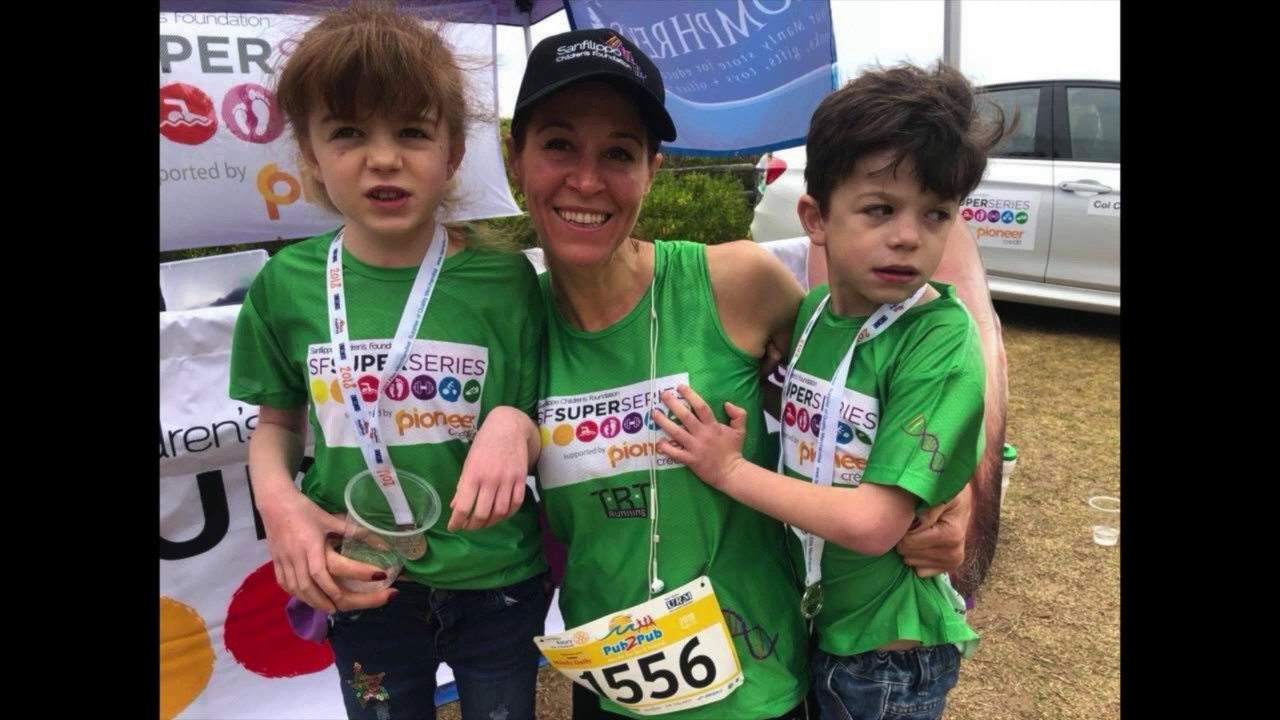
In this video, a mother of two sons with Duchenne Muscular Dystrophy, both of whom now receive drug treatments, explains how she did not really worry about the disease progression; how there were no guarantees in expected timelines pre-treatment and there are none post.  She also talks about her son’s peers dying and the guilt associated with participating in a trial.

Theme: Clinical Trial: After Participation

Parents of two sons, one of whom has CLN2 (Batten disease) and is receiving enzyme replacement therapy, share how they think about the future. “We are optimistic. There are other treatments coming down the pike, such as gene therapy.  And in the meantime, we’re helping the children that come later. … Hopefully we’re the last family that will have been told their child is going to die.” Mom describes the shift in the disease community now that there is an approved treatment and gene therapy trials on the horizon. The outlook is so different now.”

Theme: Clinical Trial: After Participation

Parents of two sons, one of whom has CLN2 (Batten disease) and is receiving ERT in a trial, talk about how there are still things the treatment cannot address. Their son is losing his vision, for example. Things are going to keep coming up.

Theme: Clinical Trial: After Participation

Parents of two sons, one of whom has CLN2 (Batten disease) and was one of the first children selected for a clinical trial, talk about what it means to be one of the first families in a clinical trial. “There are so many families that came before us, that made a sacrifice. We’re in unchartered territory now.”