Theme: Anticipatory grief
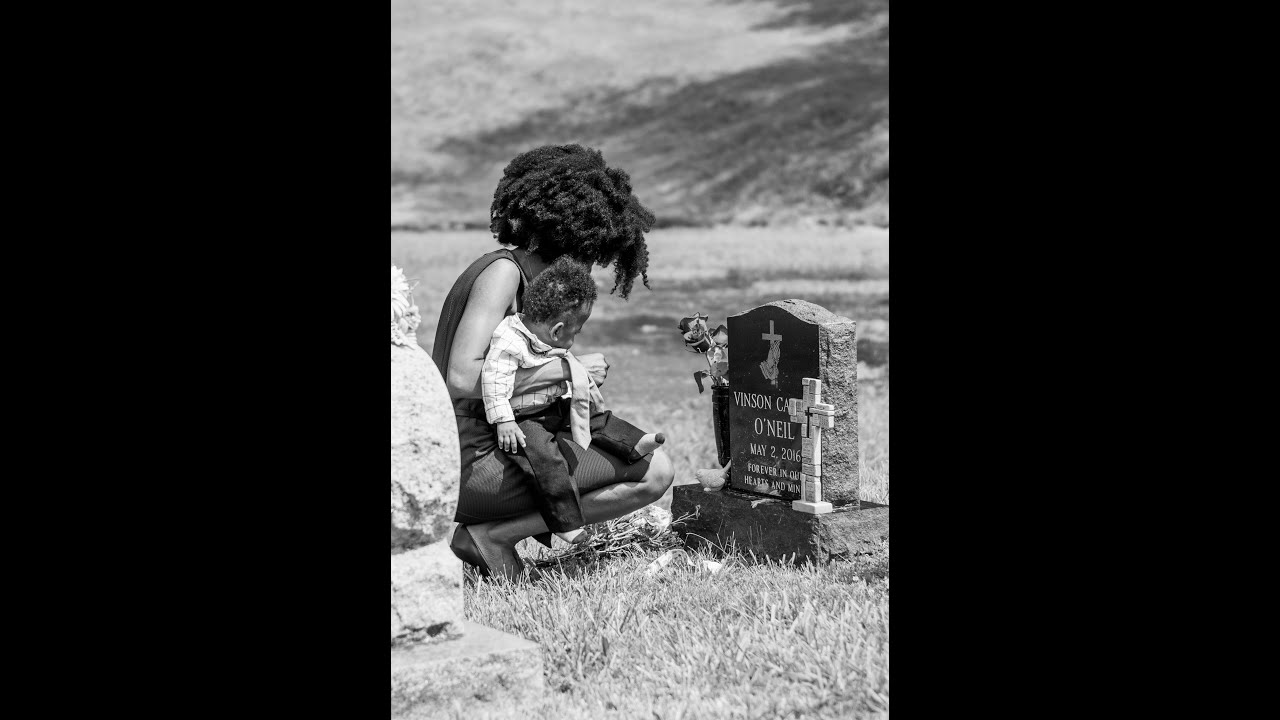
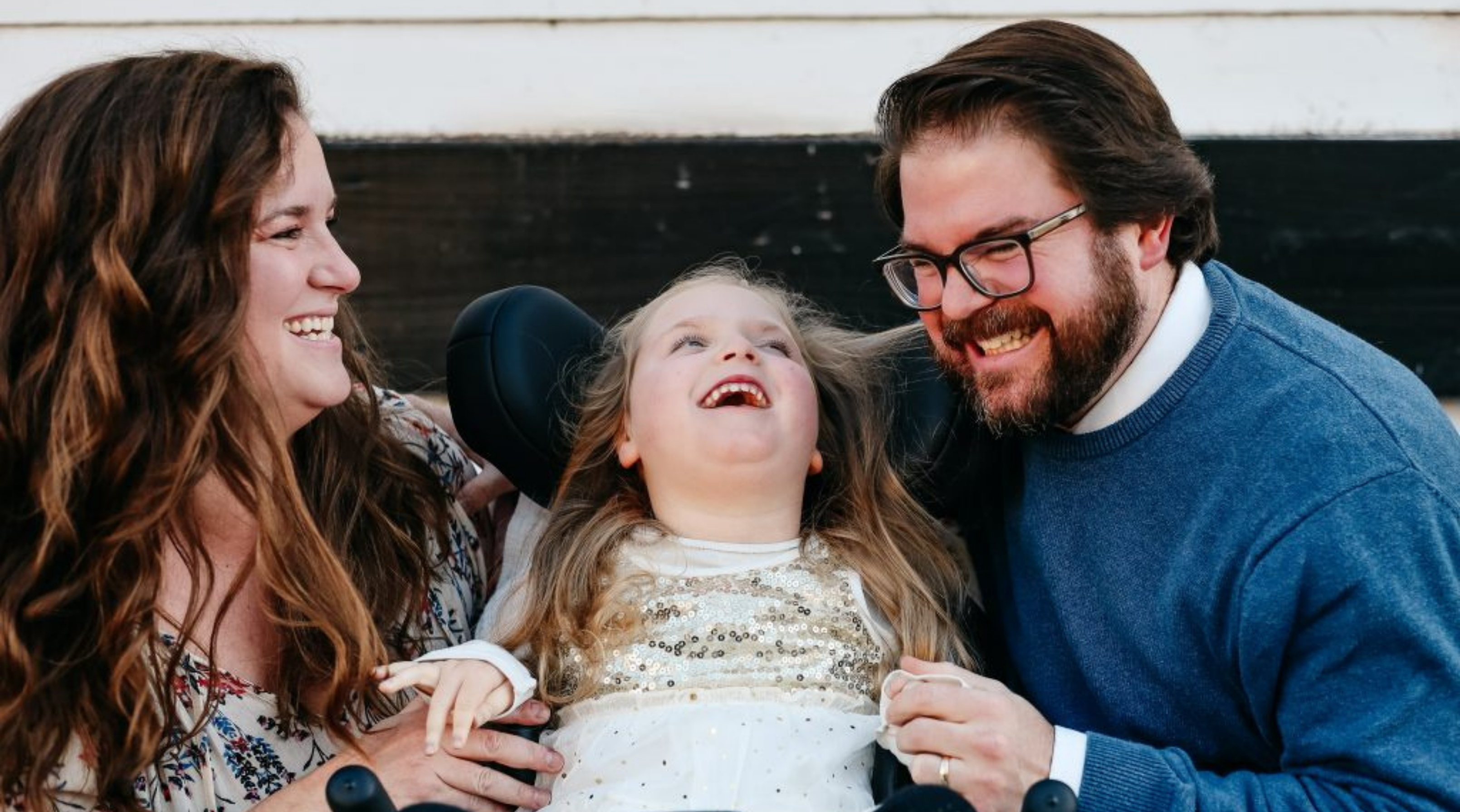
Ashley’s experienced the death of her first baby shortly after birth, then her husband shortly after the birth of their second child Kolin. Kolin is very medically complex. She describes her journey with grief and how it has felt to be her. “I had to figure it out. I try to use my journey to show others they can do hard things. You can do hard things while still grieving. I still have moments that are like What the Hell?”
Theme: Anticipatory grief
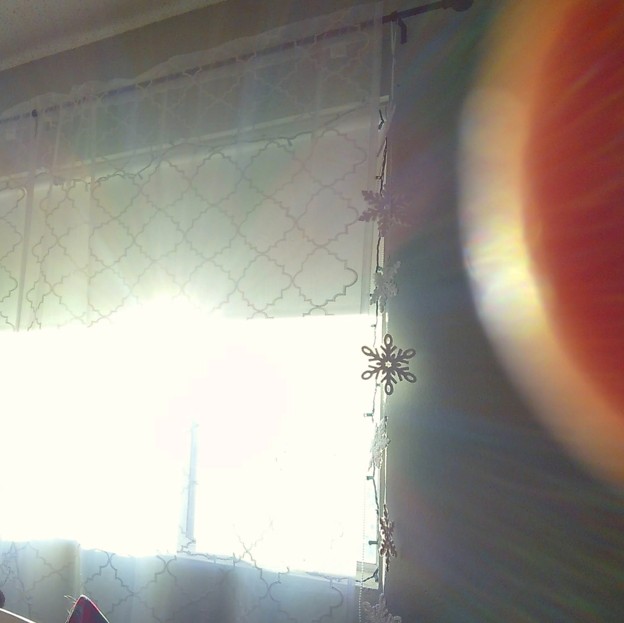
The morning light, soft and diffused, bathed the nursery walls in gentle hues. My daughter, a few months old, lay on her back, her eyes locked on the mobile spinning above. Her clumsy hands swiped at the air. Then, it struck. A subtle twitch. Her head jerked forward, a tiny nod, her limbs tensing. I dismissed it as a baby startle, a quirk of her growing body. But then, a quiver. A tightening. Another. And another. These were no flukes—a rapid, relentless clenching squeezed the breath from me. Her head dipped again; her small frame locked in a silent, terrifying dance.
In that ordinary instant, a ritual we’d repeated countless times, time split. The soft light hardened, the quiet room rang hollow, and dread coiled in my gut. What was this? What gripped my child? Could this be… more? Fears, shapeless yet piercing, stabbed at my fraying mind.
Life twists on such moments, doesn’t it? A single breath—a glance—upends everything. Time, once a steady stream, shatters into jagged pieces, each reflecting a fractured reality. How do we grasp this? How do we endure when an unremarkable second carves a new existence? I offer no answers, only questions, lingering in the space where certainty crumbles. Here, time splinters, grief hushes, and the caregiver’s burden dawns—a solitary watch over a world forever changed.
After that moment, time warped. Were they days? Weeks? For a place with so many clocks, time doesn’t seem to exist in hospitals and clinics. The waiting rooms reeked of sterile air, white coats drifting past. Each second crawled—a blood draw, a consultation, an EEG. My daughter’s spasms, those brief, eerie twitches, were trapped on video, replayed, picked apart. Doctors spoke in crisp bursts, their words sharp yet slippery, meaning evading me. Time stalled, a stagnant pool mirroring a warped present and an uncertain future.
Then, the years—or what felt like them—blurred. Therapies, medications, whispered hopes dashed against unyielding reality. Nights snapped apart with anxious wakings; days rolled into cycles of appointments, new drugs, fresh side effects—a tightrope walk between relief and ruin. Small wins faded under looming setbacks; milestones twisted into shadows of what might have been. Birthdays, seasons—slipping like water through a cracked cup, lost forever.
In crisis, time defies measure. A single twitch swells, flooding the mind with dread, while years shrink to a fleeting echo. For us, teetering on this edge, the ordinary haunts: feeding, bathing, holding—each a fragile stand against the unknown. Every laugh, every cry, stings with what was and what might be.
You see other parents—at the park, in the store. Their kids sprint, climb, chatter endlessly. They map out birthday parties, school plays, a future unfurling. You watch, and grief claws at you—not for what’s gone, but for what never will be. A simple life, snatched by fate’s twist.
This grief creeps in early, like a morning (mourning?) fog curling into your days. You study your daughter, tracing every fleeting smile, knowing some will never return—at least not as you dreamed. Guilt gnaws: if you grieve, are you ungrateful? If you mourn tomorrow, do you cheapen today? You love her fiercely and desperately, cherishing each touch. Yet the ache lingers, a quiet echo of what might have been.
This grief is a testament, not a betrayal. A testament to the depth of a love that stretches beyond the present, beyond the limitations of what is. It is a love that mourns the absence of a future that was, in its own way, already a part of you. You are, after all, made to care. And to care is to feel the sharp edge of loss, even before the final parting.
It’s not the hospital’s chaos that undoes you. It’s the quiet. Folding laundry, the soft fabric evoking tiny limbs. Stirring tea, the steam a fleeting balm. Sunlight spills through the kitchen window, warm and gold. A song hums on the radio—then stabs, too heavy to bear. And then, it hits you.
No crisis looms, no doctor drones on. You’re just living—or trying to. But grief ignores your rhythm, striking like an uninvited shadow. A tiny shirt whispers lost dreams. A spoon’s clink rings with unanswerable questions. Her shampoo’s scent clings. Her hand nestles in yours—all a fragile tether. A memory flashes from the beforetime, before fear, before doubt, when the ordinary wasn’t laden with dread. These moments are sacred. And unbearable. The mundane betrays you, hiding sorrow in its folds. The ordinary instant tests you—a monument to what was and won’t be.
You try to explain—to friends, family, coworkers. You weave words into sentences, stories. But they don’t grasp it. How could they? They see a child, a parent, a routine life. Beneath that, lurks a fear they can’t touch, a constant hum of dread thrumming through you. Every breath, every smile, weighs heavy with what they’ll never know.
The world spins on. Sun rises, seasons shift, plans bloom—vacations, promotions, tomorrows. Their lives surge forward while yours staggers, snagged between appointments, therapies, rare slivers of calm. You’re not alone in body, perhaps, but in spirit—an exile in a fractured realm. Your past’s upheavals bleed into today’s ordinary, a rift no story can span.
‘Why?’ gnaws at you, a relentless echo in quiet corners. Why her? Why this jagged path? You scour books, conversations, solitary nights for answers, craving a thread of order in the tangle of your days. But silence stares back, vast and unyielding, mocking your pleas. The sheer randomness—the cruel unfairness—threatens to swallow you whole.
So you forge meaning, stacking it brick by brittle brick. It glows in small triumphs—her fleeting grin, a steady day—moments of raw connection. You craft a tale of resilience, devotion, an anchor against the storm. Is it real? Or just a shield, a way to press on when despair tugs? Does meaning dwell in crisis, or do we wrest it from the void to survive? The questions hover, unanswered, a tightrope between surrender and fragile hope.
How Do We Know When Life Has Changed?
In one of those most ordinary instants, I was scrolling social media and came across a post by the Courageous Parents Network. It was a simple post with a splendid quote from Joan Didion, “Life changes in the instant. The ordinary instant,” followed by a caption prompting me to write about a time my life changed in an instant. And just like that, this blog post was born. But before I wrote it all out, my initial thoughts were as follows:
If life changes in the instant, and if ordinary instants are precisely those that don’t stand out, how do we know which moments will change our life? And how would we even know if our life has changed at all? Do we only see the shift later, tracing the crack it left? Or do we live as if every mundane second brims with potential to reshape us? We long for stability—routines, plans, a tomorrow like yesterday was. But perhaps the answer is not in chasing the moments that change us, in searching for the grand, dramatic shifts, or even in the comfort of predictability. Perhaps it lies in living fully within the moments that don’t seem to matter at all. In noticing the small, subtle details of our lives, always. To the way the light falls across your child’s face. The sound of their breath. The warmth of their hand in yours. This isn’t a call to compartmentalize through hypervigilance, it’s a call to integrate your ordinary instants and live.
Live, not only in the gasps of catastrophes, or in the pages of research articles, or on brightly colored awareness days, but in the ordinary. Because in a life where time is fractured and grief is a constant companion, the ordinary becomes extraordinary. Because one day, these moments, these seemingly insignificant instants, may be the ones that mattered most.
These ordinary instants are the ones that change your life.
Stephen Hager goes by his second middle name (he has three), Bud, because it’s easier to remember and baristas never misspell it. Along with his wife he is a caregiver for their 8-year-old daughter, Emma, who has pachygyria, a rare neurological disorder. He believes in taking an active approach to advocating for his child and others like her. To this end, he sits on various advisory councils at Children Hospital of Orange County (CHOC), volunteers on consulting and directing boards for various non-profit centers and lends his writing skills where he can. Experiencing a lack of support for parents of medically complex children, Bud founded a support group through CHOC focusing on parent-to-parent interaction. He is also a professor of psychology and has a small private psychotherapy practice.
Theme: Anticipatory grief
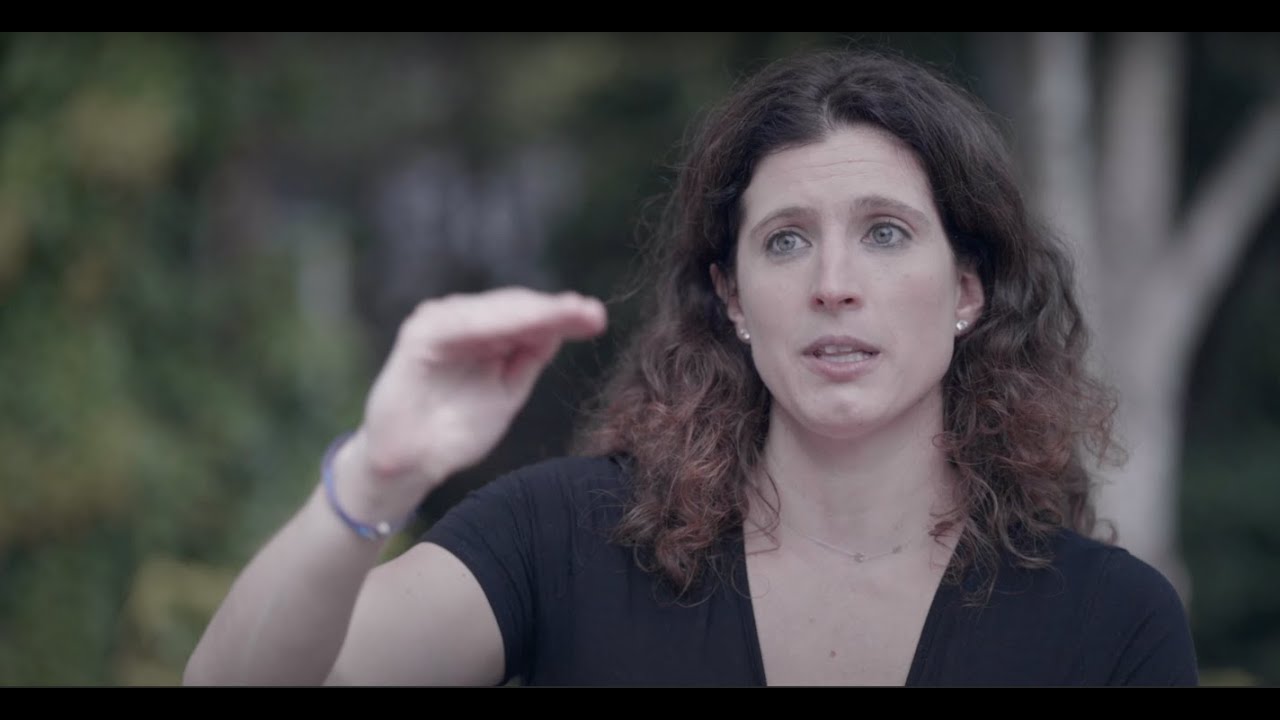
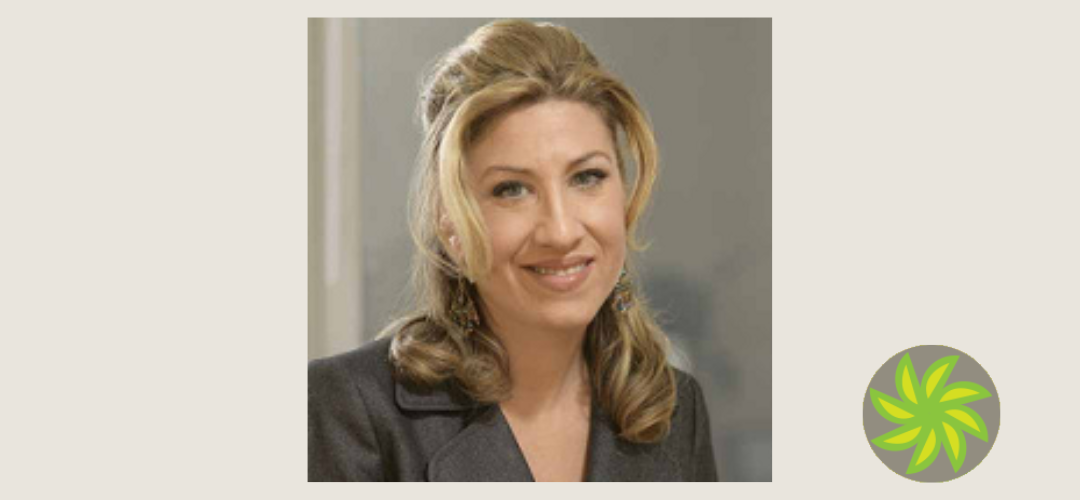
Grief is naturally a parent’s constant companion, from diagnosis – or lack thereof – onwards, including into bereavement. Psychologist Wendy Lichenthal, PhD is both a grief researcher and a clinician, with a particular expertise in the psychology of cancer for the patient and the family.
During this event, Wendy frames aspects of the grief experience and discusses using meaning and meaning-making to help with coping, regardless of diagnosis.
Theme: Anticipatory grief
I’m tired, a lot.
I forget, a lot.
I’m spacey and fragmented, a lot.
I’m sad.
I cry. My heart hurts, a lot.
I laugh.
I’m crass.
I’m sarcastic, a lot.
I’m a lot.
I lament, a lot.
I give, a lot.
I don’t sleep, a lot.
I eat unhealthy, a lot.
I have to reset, a lot.
I manage a lot.
I have to navigate a lot.
I no longer cuss a lot.
I’m a work in progress, as this is a lot.
There’s a lot going on.
There’s been a lot of loss in less than 12 months.
There’s a lot of loss on a daily basis.
There’s a lot of love to give.
There’s a lot of loss yet to come.
It’s a lot.
Life is unfair.
People are unaware and even mean.
I feel helpless and in despair, a lot.
I adventure a lot.
I explore a lot.
I ask Why a lot.
I’m intentional a lot.
I criticize myself a lot.
I praise you a lot.
I seek grounding and balance a lot.
A lot to gather,
A lot to prepare,
A lot to process,
Life is a lot and I have a lot more living to do.
A lot of people don’t get it because they don’t live it.
A lot of people ignore us because the messiness of this life makes them uncomfortable.
A message from Naomi about this poem
Sometimes when my therapist asks me how I am doing, I say, “I am.” In the past, I might have answered good, bad, tired, angry, overwhelmed, hurt, etc. However, I’ve hit a life phase where no word fully captures how I am or how I am feeling and all I can muster is “I am”. During this time, the phrase ‘a lot’ seemed to be on repeat, running around like a hamster on a wheel rent-free in my head.
During one of those moments where I was saying to myself ‘this is a lot,” I took the time to sit with the thought and really feel it. I began to write and feel all that was and is going on. Taking the time to connect with myself —to register all that I do, all that I carry, all that I have to listen to, all that I feel and try not to feel — enabled me to give myself grace. That empowered me to pat myself on the back, validate myself and say I’m doing a fantastic job. It also showed me that I have lots of reasons that I can’t keep it all together all the time. Sometimes, you have to step back and recognize your fragility in your strength, and give yourself flowers.
I really wrote this poem for myself. I want to share with you should you find yourself in a similar place. The poem is also something tangible that I can come back to when overwhelm begins to take over and I can’t see or feel any good. It’s a way to ground me by saying, “Yes, this is a lot, and you have the tools to get through this valley up to the next mountain top.”
________________________________________________________________________________________________________________
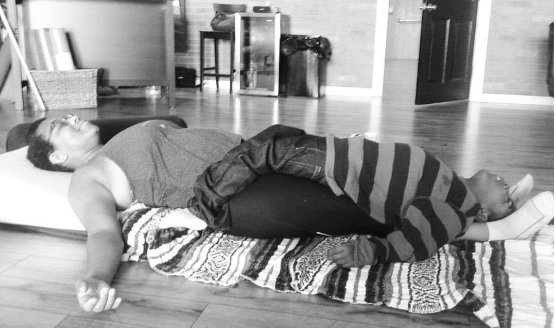
Naomi D. Williams is a perfectly imperfect person on a mission to empower individuals and families to live their best life, now. As a Life Doula, she helps people navigate and process major life altering events. Naomi believes anyone and everyone can and should lead an exceptional life. She is the proud mother of a former 26-week preemie who lives with a host of diagnoses that fall under the primary umbrella of spastic quadriplegia cerebral palsy. She uses her and her son’s past and present experiences to inform and partner with healthcare systems as they live out the consequences of not being considered a valuable member of their care team. Naomi is the author of And God Remembered Noah: A mother’s heart-opening journey through 22 weeks in the NICU. When not advocating for her family or others, you can find Naomi getting lost exploring nature or taking a deep breath on her yoga mat. Find her at exceptionalliving101.org , Noahland.Art and on NC-d. com or Linked In
Theme: Anticipatory grief
It’s a normal weekday morning and I’m in my white Toyota Sienna minivan at a stoplight en route to my daughter Chloe’s school. Our route is a short distance from our home, one right turn and two left turns to get to the parking lot of her middle school. These drives used to kick off the hopeful prospect of a few hours of time to myself once Chloe was dropped off. It seems each week these periods of respite get fewer and farther between. Lately, due to her illness she spends much of her time at home rather than a classroom.
Today, with the assistance of my minivan’s visor mirror, Chloe uses the drive time to finish her morning beauty regimen. My mind is already racing through a laundry list of to-dos. I have phone calls to make, emails to respond to regarding Chloe’s care, and need to squeeze in a trip to the pharmacy. As it usually does at this stoplight, my brain begins to feel like a tornado. This single pause allows a swarm of thoughts to take over my mind before I can even pull into the parking lot.
“How long will she make it at school today?”
“Will the nurse call me before I get to all of these tasks?”
“I need to walk these newly filled medications into the clinic when I get there.”
“What evenings should I sign her up for homebound services this week since she only got to school one day so far?”
I stare blankly out of the window with a glazed expression. I am so deeply in thought that the driver beside me might have believed I was hypnotized into a trance. After applying one more layer of a viral mascara and slamming shut the visor, Chloe’s voice abruptly cuts my thoughts to silence, stating “I think I want to go to Yale”.
While most parents might have a flutter of excitement when their child announces their Ivy League aspirations, I felt a pit in my stomach. She waited patiently for my response and my words stumbled. I tried my best to sound encouraging and saying, “Sounds like you are ready to work towards a big goal, Ms. Rory Gilmore.” (an ode to our mutual favorite show)
How do I realistically support a dream that seems unachievable? How do I explain that attending only 1-3 half days of public school each week will not prepare her for the next grade level? How do I tell her that her disease is unpredictable and any day a crisis could be around the corner bringing about extremely limited options? How, as a mother, do I dare to steal away her dreams? Is a reality check important right now? Why is everything so hard for her?
I drive the rest of the way to school making the one right turn and two left turns on what feels like “brain cruise control”. I take Chloe into the building, and we walk together to the clinic. I drop her medications off with the nurse while Chloe signs into the office. Afterwards, I wave goodbye through the window of the clinic. She returns my wave and gifts me with her effervescent smile as she makes her way to class.
I walk to my car and sob.
The unknown of Chloe’s future is deafening and devastating. Even with an extremely supportive school, a detailed 504 plan, and homebound services, Chloe’s lack of instruction due to her disease burden has proved too heavy. Juggling chronic pain, handfuls of medications, dozens of monthly appointments, and two forms of feeding modalities, school sometimes must fall to the wayside. The weight of being a licensed teacher and watching her education slip away is enough to make me drown in guilt. I want school so badly for her. I wish her disease would cooperate with our wants.
When I share these feelings of guilt and shame with her palliative team they respond encouragingly. “Chloe would never be where she is today without your care”. They gently remind me that our goal just last year was to not be in the hospital and now she’s attending some school. Give it time, they tell me. But my teacher training reminds me that the school year keeps ticking forward, outpacing Chloe.
While this journey may not be linear or predictable, I need to celebrate the wins even when the what-ifs are dark and terrifying. By supporting Chloe’s big dreams, I am allowing her to see more for herself. My support enables her to look in the mirror and see more than scars and medical accessories. While she dreams of Yale, Chloe sees light and envisions her future. She can see herself as a doctor, a teacher, or even the next Elle Woods. The truth is while tomorrow for Chloe could mean a medical disaster, it could also mean a step forward toward a diploma.
After all, Yale’s motto proudly inscribed in its crest reads, Lux et Veritas.
Light and truth.
And some days on this medical odyssey the light feels much warmer than the truth.
Theme: Anticipatory grief
This was a discussion with Myra Sack, author of Fifty-Seven Fridays: Losing Our Daughter, Finding Our Way. Myra’s memoir honors her daughter Havi and chronicles their journey helping her live and die.
We explored:
- Diagnostic odyssey and first year “blur”
- Leaning into pain and love, simultaneously, and how “Shabbirthdays” came to embody the unity of opposites
- The healing power of ritual/movement/community
- What now? Balancing land of the living with the land of the dead
While Havi is no longer here with us, there is hope that she will make the lives of others a bit gentler, a bit more beautiful, a bit more forgiving, a bit more generous.
“A good story is like a compass…It points to something universal, something unchanging, and it invites us to reflect and to move through the world a little differently.”
– Rachel Naomi Remen
Order Fifty-Seven Fridays here:
Theme: Anticipatory grief
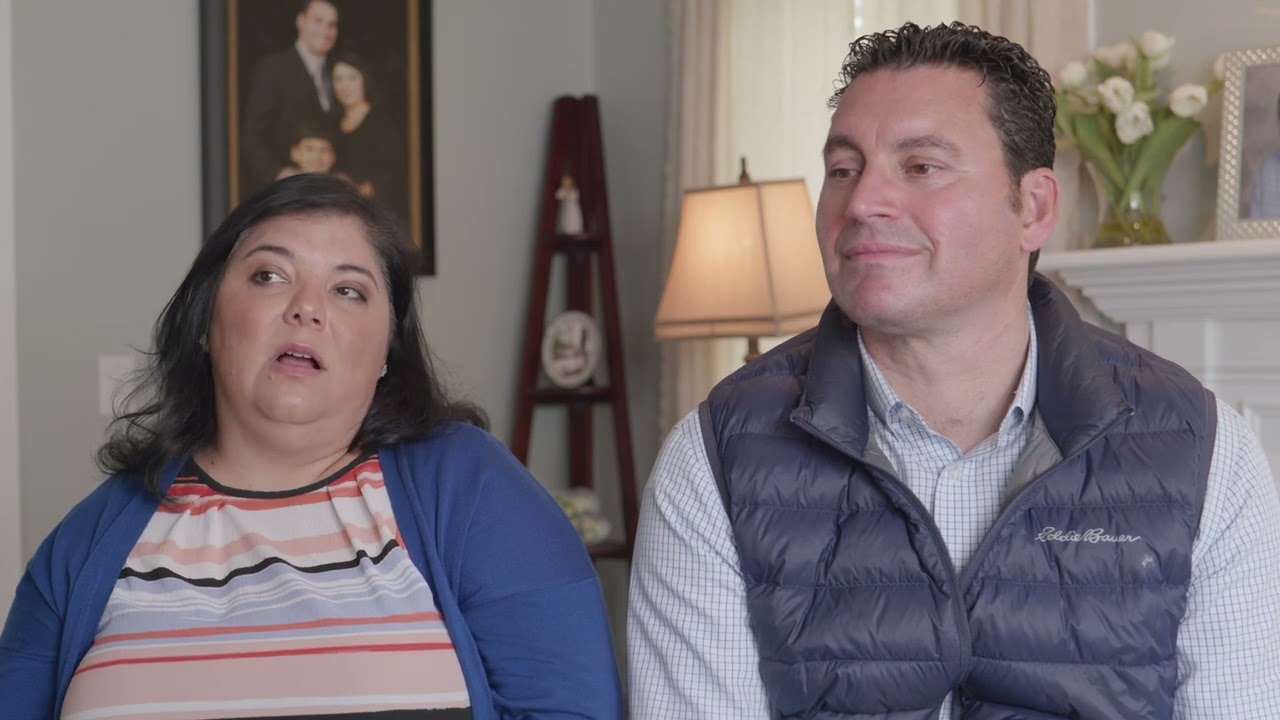
Parents Nate and Katherine talk so tenderly about coming to understand how they differ in their grief response and supported each other. “We were trying to be gracious with each other and let the other grieve the way they needed to. That’s tricky.” They worked with a grief counselor in the prenatal period and continued after. Nate describes how complex it was and how he lacked the skills. “It was a tricky time.”
Theme: Anticipatory grief
The mother of a 14-year-old boy with medical complexity talks about where she looks for support and understanding that a single source can’t provide all the different types of support you may need. She shares what she has done to build a community of external support for herself and how she supports herself from within.
Theme: Anticipatory grief
For so many parents and caregivers caring for children living with illness and medical complexity, the stress and burden of caregiving can be overwhelming. Practicing self-compassion can help us shift out of survival mode, allowing us to better deal with challenges and grow our emotional resilience. Within this guide, you will find some great tips on the benefits of self-compassion and ways to practice self-compassion which can enhance your well-being and capacity to be the caregiver.
Theme: Anticipatory grief
Parents of a 21-year-old son with progressive, complex chronic conditions share how they are constantly adjusting their thinking and feelings to cope with their situation. “We are preparing to detach.” Once a month she lets herself cry in the shower; he talks to the dog. They lean on their blessings.
Theme: Anticipatory grief
The mom of a baby with Krabbe disease recounts her son’s end of life. It was anticipated and peaceful, and yet ‘it was a total shock.’
Theme: Anticipatory grief
The mom of a boy born with significant medical complexities talks about her evolution from being naive about the scale of needs to her growing understanding and maturing into coping and tending to those needs – and how hard parents can be on themselves.