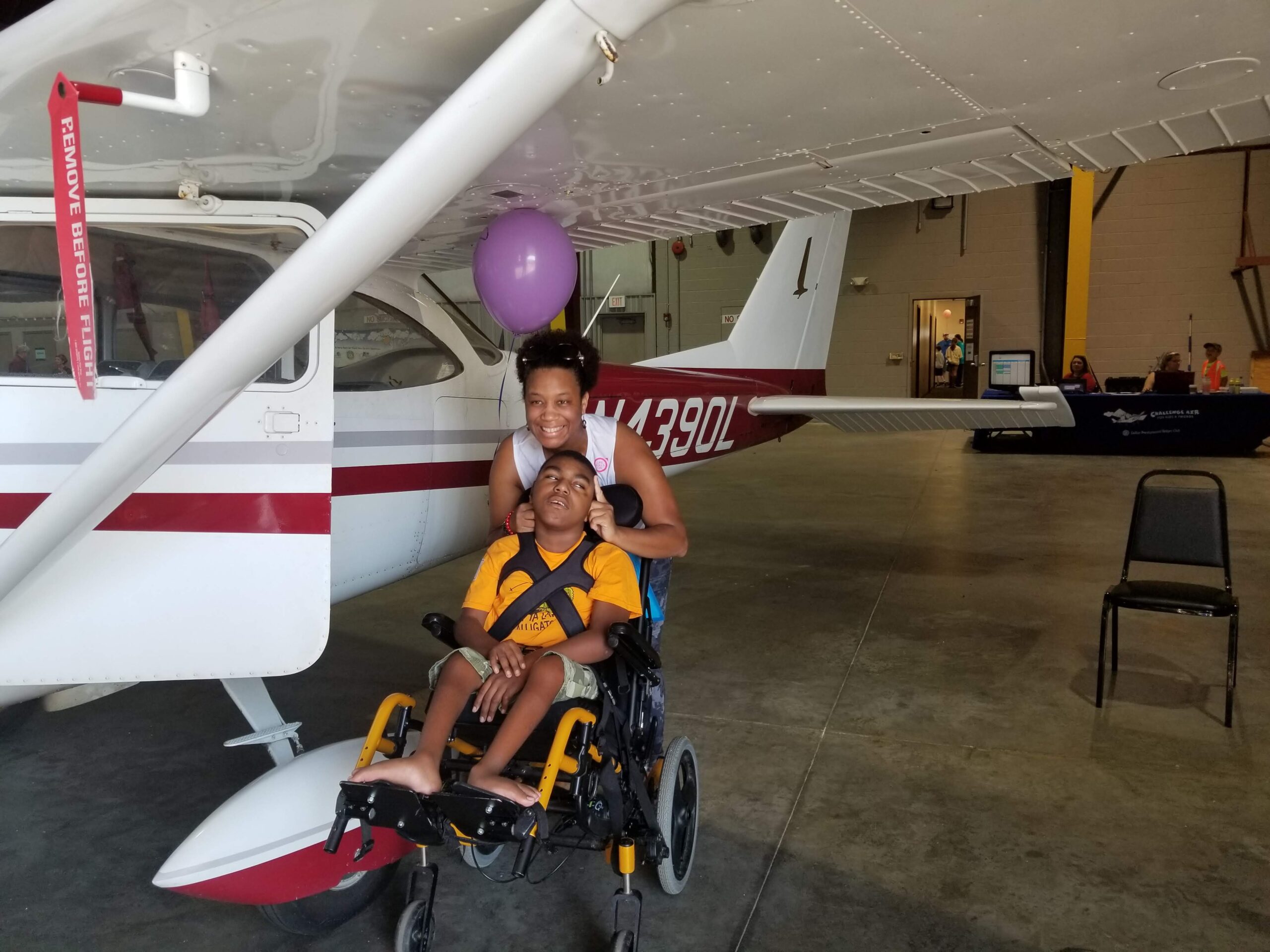
Receiving a genetic diagnosis (or lacking a diagnosis) for a child can be a profoundly life-altering experience for families. In this session, Mary-Frances will draw on her extensive experience working with parents and caregivers to explore the complex emotional responses that emerge as families learn to live with a diagnosis or uncertainty and build their “new normal.” Do families truly accept the diagnosis, or do they adjust without full acceptance? Can both coexist? Join Mary-Frances and a panel of parents as they delve into the realities of accepting versus adjusting while navigating the challenges of their child’s medical complexity.
This event will take place on Wednesday, January 21st at 8:00 pm ET (7:00 pm CT, 6:00 pm MT, 5:00 pm PT).
Learning objectives are:
- Differentiate between emotional adjustment and acceptance in the context of a child’s genetic diagnosis.
- Discuss the varied emotional responses and coping strategies parents may experience over time.
- Describe how a genetic diagnosis can be understood as one aspect of a child’s identity, rather than a defining characteristic.
- Identify at least two ways that clinicians can support families in light of a genetic diagnosis.
Accreditation
In support of improving patient care, Stanford Medicine is jointly accredited by the Accreditation Council for Continuing Medical Education (ACCME), the Accreditation Council for Pharmacy Education (ACPE), and the American Nurses Credentialing Center (ANCC), to provide continuing education for the healthcare team.
Credit Designation
American Medical Association (AMA)
Stanford Medicine designates this Live Activity for a maximum of 1.00 AMA PRA Category 1 CreditsTM. Physicians should claim only the credit commensurate with the extent of their participation in the activity.
American Nurses Credentialing Center (ANCC)
Stanford Medicine designates this live activity for a maximum of 1.00 ANCC contact hours.
Accreditation Council of Pharmacy Education (ACPE)
Stanford Medicine designates this knowledge-based activity for a maximum of 1.00 hours. Credit will be provided to NABP CPE Monitor within 60 days after the activity completion. Pharmacist UAN: JA0000751-0000-26-003-L99-P
ASWB Approved Continuing Education Credit (ACE) – Social Work Credit
As a Jointly Accredited Organization, Stanford Medicine is approved to offer social work continuing education by the Association of Social Work Boards (ASWB) Approved Continuing Education (ACE) program. Organizations, not individual courses, are approved under this program. Regulatory boards are the final authority on courses accepted for continuing education credit. Social workers completing this activity receive 1.00 general continuing education credits.
American Psychological Association (APA)
Continuing Education (CE) credits for psychologists are provided through the co-sponsorship of the American Psychological Association (APA) Office of Continuing Education in Psychology (CEP). The APA CEP Office maintains responsibility for the content of the programs.
Commission on Dietetic Registration (CDR)
Completion of this RD/DTR profession-specific or IPCE activity awards CPEUs (One IPCE credit = One CPEU).
If the activity is dietetics-related but not targeted to RDs or DTRs, CPEUs may be claimed which are commensurate with participation in contact hours (One 60 minute hour = 1CPEU)
RD’s and DTRs are to select activity type 102 in their Activity Log. Sphere and Competency selection is at the learner’s discretion.
Stanford Health Care Department of Rehabilitation is an approved provider for physical therapy and occupational therapy for courses that meet the requirements set forth by the respective California Boards. This course is approved for 1.00 hour CEU for PT and OT.
View full CME information and disclosure summary at https://stanford.cloud-cme.com/CPNJan2026.