

As I lay on the OR table, anxious and tearful, waiting for my urgent C-section to begin, I realized how overwhelming the sounds of an operating room can be.
I had seen this scene before, throughout my medical training. But this time, I was not the treating physician and my mind was racing trying to adjust to this new perspective. Clinicians, some of them colleagues, hovered around me, readying equipment with practiced coordination.
Today was not supposed to be my daughter’s birthday; but there I was, paralyzed from the waist down after failing my contraction stress test. Completely out of my control, everything was moving faster than I wanted it to. Numbly, I wondered when I might feel in control again.
The attending obstetrician and her resident began the surgery. I stared up into the bright lights overhead, listening as they narrated their way through each layer of my suprapubic area. When I heard them say, “uterine,” I knew they were close.
“Happy Birthday!” someone exclaimed as they lifted my daughter into the world.
Then, silence. There was no cry. I knew that wasn’t a good sign. Flooded with the hormones of birth, my mind scrambled for answers. I desperately wanted someone to tell me why it was so quiet. The silence was deafening.
From the corner of my eye, I saw the pediatrics team rush in. One of the pediatricians said there was something unusual about her jaw as they attempted to intubate her. My panic truly set in. I searched the room for my husband, my sister, for the anesthesiologist, for anyone who could tell me what was happening to my baby.
I begged for answers.
Instead, the anesthesiologist leaned over and whispered in my ear, “I’m going to give you something to help you relax.” I felt my body soften as my eyes closed.
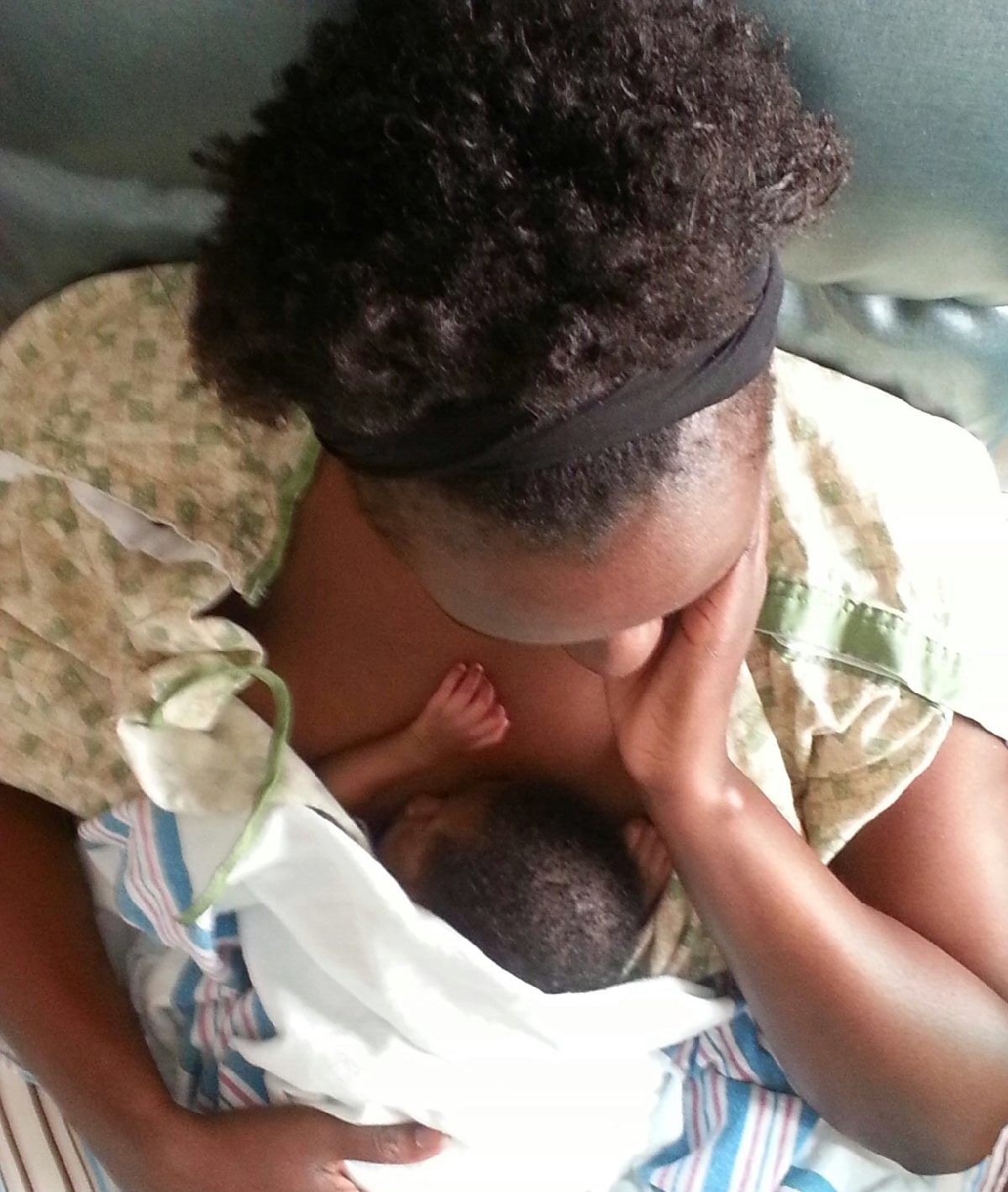
When I woke up, I was in the recovery room waiting for my legs to regain sensation. They brought my daughter in to introduce us, and I immediately noticed the deformity on the left side of her face.
That was only the beginning.
My hospital room became a revolving door of specialists, each arriving with new information and another diagnosis. My pregnancy had been difficult, but all of the complications had involved me. It was shocking to repeatedly hear about the medical challenges my daughter would face.
First, they told me she had Goldenhar syndrome. At the time, it sounded like a craniofacial condition that would require multiple plastic surgeries, but that she would otherwise be okay. Then the cardiologist explained that she had multiple congenital heart defects that would require several surgeries. Each diagnosis was a gut punch. More than anything, I wanted every specialist who walked into the room to set aside the fact that I was a physician, slow down, sit with me, and recognize how unprepared I was for the flood of information I was trying to process.
I grieved the birth experience I thought I was going to have and the one that had instead become our reality. I grieved having a deaf child. I grieved not being able to breastfeed my daughter. I grieved leaving the hospital without her and not being able to bring her home for the first 202 painful days of her life.
As a pediatrician, I spent my days offering anticipatory guidance to families. Suddenly, I had none to give myself. I was navigating a whirlwind of fear, uncertainty, and grief without a roadmap. Despite years of medical training and textbook knowledge, I was discovering firsthand that becoming a parent is challenging enough on its own. Layered onto that was the profound realization that the parenthood journey I had envisioned was changing course, leading me into the unfamiliar world of raising a child with special needs.
Remembering myself lying on that cold operating table, watching the pediatrics team gather around the child I had carried for months, unable to join them or help, still feels surreal. It was as though I had stepped outside of myself and was watching the events of my own life unfold from a distance. I wasn’t the pediatrician catching the baby. As a doctor, I had trained to evaluate signs and symptoms, to diagnose, to develop care plans.
But then, I became the mother; and I had no control over what happened next.
If I could whisper in the ear of my past self, I would say that things will move fast while somehow also feeling painfully slow. Hold that baby close, because she will remember the love and bond you share even if she cannot put it into words. Lean into the kindness of strangers. Say yes when people offer to help, and reach out to those closest to you when you are running on empty. In the end, taking things day by dad, week by week, moment by moment is truly all you can do.
 Dr. Adebimpe Adewusi is a Nigerian-born, Texas-raised pediatrician based in Portland, Oregon. In 2014, while completing her child abuse fellowship, she became a special needs mother. Since then, life has been a whirlwind of balancing her career, marriage, and raising a medically complex child.
Outside of medicine, Dr. Adewusi enjoys improvisation and running her social media TV and movie review page. Through sharing her story on CPN, she hopes to offer a unique perspective on parenting from someone who was both trained to guide families clinically, but now finds herself navigating the uncertainty firsthand as a parent.